Poland packs castles, salt mines, mountains, and dark history into one country that is easy to cross by train. If you only have a few days, focus on these four places first.
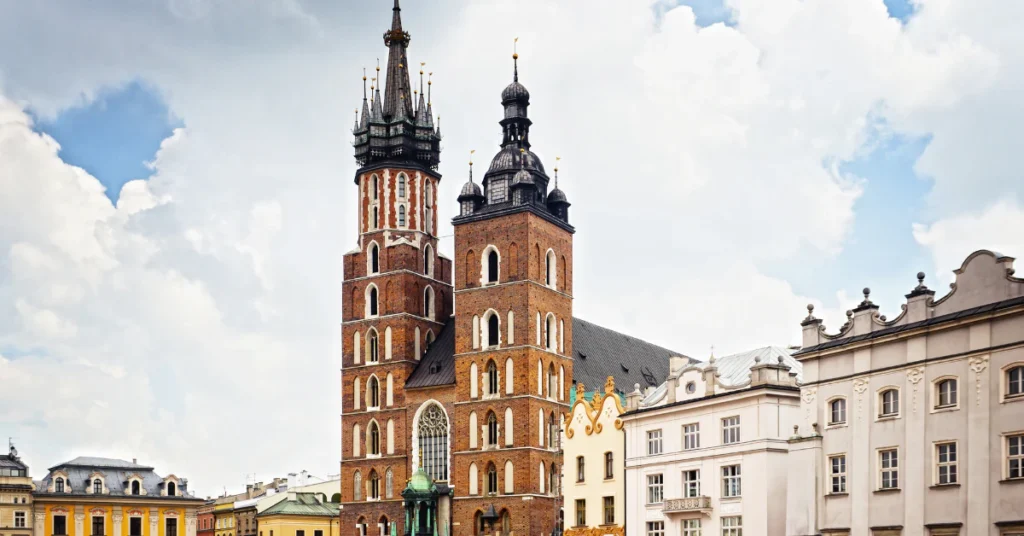
Kraków’s Old Town is the top pick for most first-time visitors. Its market square and Wawel Castle give you medieval Poland in one walkable area. Warsaw, the capital, rebuilt its Old Town after World War II and now mixes history with a modern skyline. The Wieliczka Salt Mine, just outside Kraków, takes you underground into chambers carved entirely from salt. For nature and hiking, Zakopane and the Tatra Mountains offer Poland’s most dramatic scenery.
Many guides stop there. But a trip to Poland in 2026 involves more than picking attractions. Entry rules are changing, some major sites now require advance booking, and costs vary a lot depending on where you stay and eat.
This guide covers all of that. You will find real 2026 prices, the new booking rule for Auschwitz-Birkenau, what the weather looks like month by month, and the etiquette tips that help you avoid an awkward moment with a local. If you are also searching for Poland, Maine, that is a different place entirely, and we will clear that up too.
Keep reading for the full breakdown, built around what actually matters when you book this trip.
Wait, Which Poland? (Maine vs. Ohio vs. Europe)
Before we go further, let’s clear something up. This guide is about Poland the country in Europe. But Google sends plenty of US travelers here looking for a much closer trip.
If you searched “things to do in Poland Maine” or “things to do in Poland Springs Maine,” you are probably thinking of the small town in Androscoggin County, Maine, home to about 5,000 people. It is the birthplace of Poland Spring, the bottled water brand. For a weekend there, check out Range Pond State Park for swimming and trails, the Poland Spring Preservation Park for local history, or the Poland Spring Resort for a longer stay.
There is also a Poland, Ohio, a small town near Youngstown that shows up in local and regional searches. If that is what you meant, your best bet is to search directly for Poland, Ohio attractions, since this guide will not cover it.
Both towns are worth a visit if you want something closer to home. But they are a world away, literally, from the country we are about to explore.
If you meant the Europe trip, the kind with castles, salt mines, and a passport stamp, keep scrolling. The rest of this guide covers everything you need to plan that trip in 2026, from entry rules to what to pack.
Top Attractions: Kraków, Warsaw, and Historic Sites
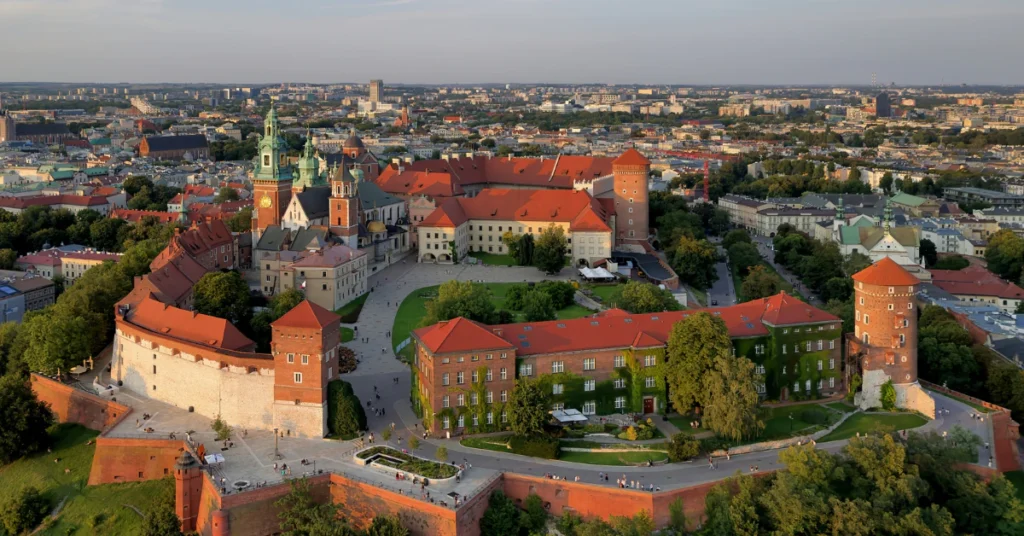
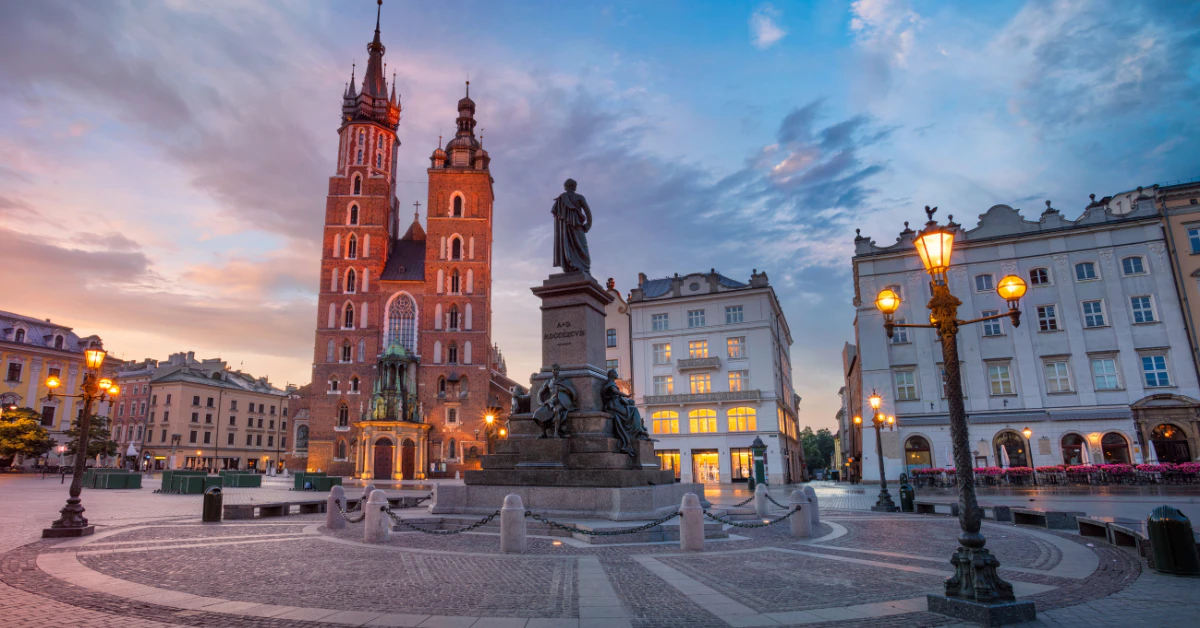
Kraków survived World War II almost untouched, so its Old Town still looks medieval. The market square is one of the largest in Europe, ringed by cafes and churches.
Wawel Castle
Wawel Castle sits on a hill above the Vistula River and was once home to Polish kings. You can walk the castle grounds for free, but the museum rooms and armory need a paid ticket. Give yourself at least two hours here.
Wieliczka Salt Mine
About 14 kilometers from Kraków, the Wieliczka Salt Mine is one of the oldest salt mines in Europe. Visitors walk through underground chambers, chapels, and even a cathedral, all carved out of salt by hand over centuries. The Tourist Route ticket costs 143 PLN for adults. Tours run about two to three hours and take place entirely underground, so wear comfortable shoes.
Warsaw: Rebuilt and Resilient
Warsaw’s Old Town looks historic, but most of it was rebuilt after the city was nearly destroyed in World War II. The rebuild was so careful that UNESCO still recognizes it as a heritage site. Spend an afternoon walking the square, then explore the wider city, which mixes glass skyscrapers with Communist-era architecture.
Auschwitz-Birkenau: What Changed in 2026
Auschwitz-Birkenau is the most visited historical site connected to World War II in Poland, and for many travelers it is the reason they come. But the way you visit changed this year, and skipping this update could ruin your trip.
As of March 1, 2026, you can no longer buy tickets at the gate. This applies to every visitor, including those who want the free, non-guided entry. All tickets, free or paid, must now be booked online in advance through the official museum website.
Here is why this matters: time slots are limited and they sell out fast, especially from April through October. If you show up without a booking, you will not get in that day.
Guided tours start from 56 zł per person. If you want to combine Auschwitz-Birkenau with the Wieliczka Salt Mine in one day, combo tours start from 169 zł. Either way, book your slot weeks before your trip, not the night before.
A visit here takes about three and a half hours and asks for quiet, respectful behavior and modest clothing. It is not a typical tourist stop, but most visitors describe it as one of the most important parts of their trip to Poland.
Family Travel: Exploring Poland With Kids
Traveling with kids in Poland does not mean skipping the history. It just means pacing things differently. A full day at Auschwitz-Birkenau might be too heavy or too long for young children, so plan lighter days in between the big historical stops.
Poland’s cities are built for walking, which helps with restless kids. Old Town squares in Kraków and Warsaw have open space to run around, street performers, and plenty of ice cream stands nearby. Wawel Castle’s grounds are free to explore, so you can let kids wander outside without paying for every stop.
For a full family day, head to the Gdańsk Zoo, one of the largest zoos in Poland, set inside a forested park. It gives kids a break from museums and castles while still being an easy, low-stress outing for parents. Pack a picnic and make a full afternoon of it.
Milk bars, the casual Polish cafeterias found in most cities, are another good option for families. They serve simple, affordable comfort food like pierogi, and the fast, no-fuss service works well with hungry kids.
If you are visiting the Wieliczka Salt Mine with children, know that the tour lasts two to three hours underground with a fair amount of walking. It can work well for older kids who enjoy an adventure, but it may be a lot for toddlers.
Overall, Poland rewards families who mix one serious historical stop with lighter, kid-paced days around it. The country’s parks, zoos, and casual food spots make that balance easy to find.
When to Go: Things to Do by Month
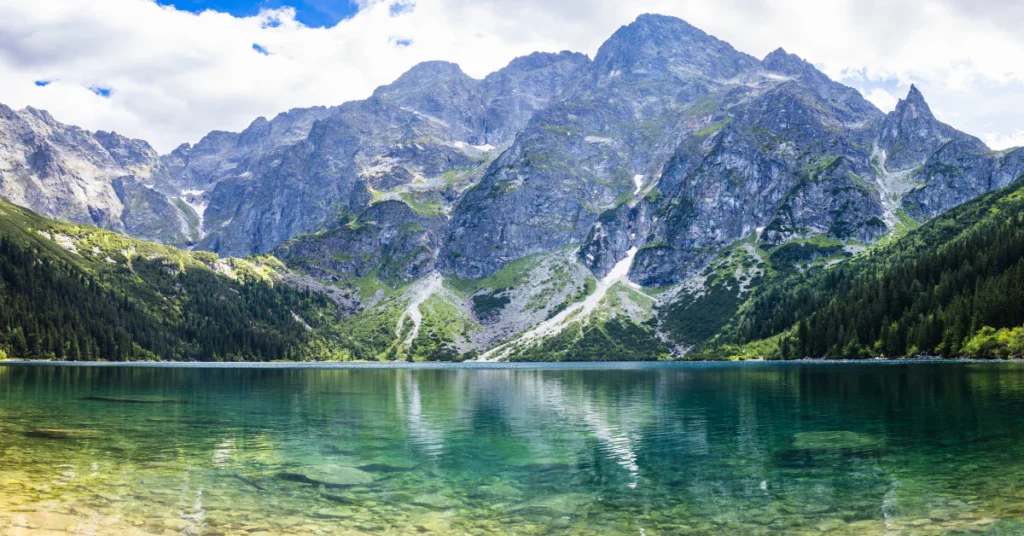
Poland changes a lot from season to season, so what you pack and plan depends heavily on when you go.
August
August is peak summer and the best time for hiking in the Tatra Mountains around Zakopane. Trails are clear, days are long, and the mountain scenery is at its best. One thing to plan around: summer is also when Poland does most of its road repairs, so if you are renting a car, expect some detours and slower routes between cities. Trains are a more reliable option during this month.
October
October brings mixed weather, with average daily temperatures around 55°F. Some days are sunny and crisp, others bring rain, so pack layers. This is a solid month for walking Kraków and Warsaw’s Old Towns, since the crowds thin out after the summer rush and the weather still allows for full days outside.
November
November is when Poland turns toward winter. In Warsaw, average highs sit around 39°F (4°C), and nights often drop below freezing. Rain is frequent, and the skies stay grey for long stretches. This is not the month for long outdoor hikes, but it works well for museum visits, Auschwitz-Birkenau, and indoor sites like Wawel Castle, paired with a warm coat and waterproof shoes.
December
December is full winter. Inland areas, including Kraków and Warsaw, see average temperatures around -5°C (23°F), while coastal regions stay slightly milder around -1°C (30°F). Snow is common, and the Tatra Mountains near Zakopane often turn into a proper winter landscape, making it a great month for travelers who want a snowy Poland. Pack real winter layers: a heavy coat, gloves, and waterproof boots, especially if you plan to visit Zakopane.
Whatever month you choose, Poland stays walkable and welcoming. You just need to match your itinerary, and your suitcase, to the season.
Money and Visas: 2026 Logistics for US Travelers

Before you book flights, there are two practical things every US traveler to Poland needs to know for 2026: a new entry requirement, and how much to actually budget.
ETIAS: A New Step Before You Fly
Starting sometime in the last quarter of 2026, US citizens will need to apply for ETIAS before entering Poland. This is not a visa. It is a short online form, similar to the US ESTA system, and it costs about €20. European officials have not locked in an exact launch date yet, and the timeline has shifted before, so check the official ETIAS website close to your travel dates for the latest update. Once approved, ETIAS is valid for up to three years, so you will not need to reapply for every trip.
What a Trip Actually Costs
Poland is one of the more affordable countries in Europe, but your daily cost depends on your travel style. Budget travelers can expect to spend somewhere between $46 and $82 a day, covering a simple room, food, and local transport. If you are backpacking with hostels and public transit, plan for about $73 to $74 a day. Mid-range and luxury travelers will spend more, mainly on hotels and private transport, but meals and activities stay reasonably priced across the board.
The ATM and Card Trick That Saves You Money
Here is one small habit that protects your wallet the whole trip. Whenever you pay by card or withdraw cash, you will often be asked to choose between Polish zloty (PLN) and US dollars. Always choose PLN. Picking your home currency triggers something called dynamic currency conversion, where the machine applies its own exchange rate, almost always worse than your bank’s rate. It looks convenient, but it quietly costs you more on every transaction. Stick with zloty every time, and let your US bank handle the conversion.
Safety, Driving, and Transit Realities
If you are nervous about safety, here is some real reassurance. As of August 20, 2026, the US State Department rates Poland at Level 1, Exercise Normal Precautions, its lowest and safest risk category. In plain terms, Poland is officially considered a safe country to visit, with no special warnings beyond the basic common sense you would use anywhere.
That said, two practical risks are worth knowing about, and neither one is about crime.
Driving Risks
If you plan to rent a car, pay close attention to the roads. Poland has the fourth-highest road fatality rate in the European Union, and about a quarter of those deaths are pedestrians. Roads outside major cities can be narrow and poorly lit, and conditions get worse in summer when road repair work picks up. If you are not used to European driving, especially at night, consider sticking to trains between cities and only renting a car for specific day trips in daylight.
The Transit Ticket Trap
Public transit in Poland is reliable and cheap, but it comes with one trap that catches a lot of tourists. Buses and trams run on an honor system, but ticket controllers check often, and they check seriously. If you board without a validated ticket, even by mistake, you can be fined on the spot.
The fix is simple. Buy your ticket before boarding or right when you get on, then validate it immediately using the small machine inside the bus or tram. Keep it on you for the whole ride. It takes two seconds and saves you an awkward, expensive conversation with a controller later.
Outside of these two practical issues, Poland is a country where you can walk its city squares, ride its trains, and explore freely without the kind of safety concerns that come up in riskier destinations.
Etiquette and Culture Shock: What to Know
Americans often expect big smiles and small talk from shop staff. In Poland, you may not get that, and it has nothing to do with you.
Service at small local shops, especially outside the big tourist areas, can feel blunt or cold at first. One American traveler described being caught off guard the first time she checked out at a small store, surprised by how brusque the cashier seemed. This is a difference in communication style, not rudeness. Polish culture tends to be direct and low on small talk, especially in short, everyday interactions. Malls and tourist-heavy spots tend to feel warmer, since staff there are used to visitors.
A few small habits go a long way toward fitting in:
- Do not shake hands over a doorstep. If you greet someone while standing in a doorway, step through first.
- Take your hands out of your pockets when talking to someone. Leaving them in is seen as a bit rude.
- If you are offered a drink at a meal, wait for someone to propose a toast before you start drinking. Jumping in early stands out.
The One Phrase to Never Use
This one matters more than any small manners tip. Never say “Polish concentration camps.” The camps built during World War II, including Auschwitz, were Nazi German camps, built and run by Nazi Germany on occupied Polish soil. Poland did not build or run them. This phrase comes up more often than you would think, usually by accident, and it is considered deeply offensive and historically wrong. If you need to reference these sites, call them Nazi concentration camps in occupied Poland, or simply use their names, like Auschwitz-Birkenau.
Getting this right shows basic respect, and locals notice when visitors make the effort.
Frequently Asked Questions
What is worth visiting in Poland?
Kraków’s Old Town and Wawel Castle, the Wieliczka Salt Mine, Warsaw’s rebuilt Old Town, and the Tatra Mountains around Zakopane are the top picks. Auschwitz-Birkenau is also a major stop for travelers interested in World War II history.
Is Poland friendly towards Americans?
Yes. Service in small local shops can feel blunt compared to what Americans are used to, but that is a style difference, not unfriendliness. Locals are generally quick to help if you ask directly.
Is Poland cheap or expensive?
Poland is one of the more affordable countries in Europe. Budget travelers can expect to spend $46 to $82 a day, while backpackers typically spend around $73 to $74 a day on hostels, food, and transit.
Do and don’ts in Poland?
Do dress neatly, stay punctual, and wait for a toast before drinking at a meal. Don’t shake hands over a doorstep, keep your hands in your pockets while talking, or jaywalk, since traffic rules are taken seriously.
Is it safe for Americans to go to Poland right now?
Yes. As of August 20, 2026, the US State Department rates Poland at Level 1, Exercise Normal Precautions, its lowest risk category. The main practical risk is road safety, not crime.
What not to say to a Polish person?
Never say “Polish concentration camps.” The camps, including Auschwitz, were built and run by Nazi Germany on occupied Polish soil, not by Poland.
What are some common taboos in Poland?
Jokes about communism, World War II, or Polish-Jewish history should be handled with care, especially with older Poles. Overly praising Russia in conversation is also best avoided given historical tensions.
How do Polish people show respect?
Formal greetings using Pan or Pani (Mr. or Ms.) are common until someone invites you to use first names. Older-generation men may also show traditional courtesies, like holding doors or offering a seat to women.
Final Thoughts
Poland rewards travelers who plan a little ahead. The castles, salt mines, and mountains are worth every bit of the hype, but 2026 adds a few real steps you cannot skip: booking Auschwitz-Birkenau online in advance, keeping an eye on the ETIAS rollout, and knowing a few cultural basics before you land.
None of this is complicated. It just takes five minutes of prep to turn a good trip into an easy one. Once you have your tickets booked and your zloty ready, the rest of the trip is yours to enjoy, one Old Town square, one mountain trail, and one plate of pierogi at a time.