The best things to do in Curaçao are walking the rainbow-colored streets of Willemstad, swimming and snorkeling at the island’s calm cove beaches, and hiking or driving through nature parks like Christoffel and Shete Boka. Add a day trip to Klein Curaçao, a Blue Curaçao tasting, and a plate of keshi yena, and you have a full trip.
Curaçao packs a lot into one small island. You get a UNESCO-listed city, dozens of beaches that don’t look like anywhere else in the Caribbean, and wild stretches of coastline where sea turtles nest. Whether you have one cruise-ship afternoon or a full week, this guide breaks down exactly what to do, what it costs, and what to skip. No fluff, just what works.
Explore Historic Willemstad (Punda & Otrobanda)
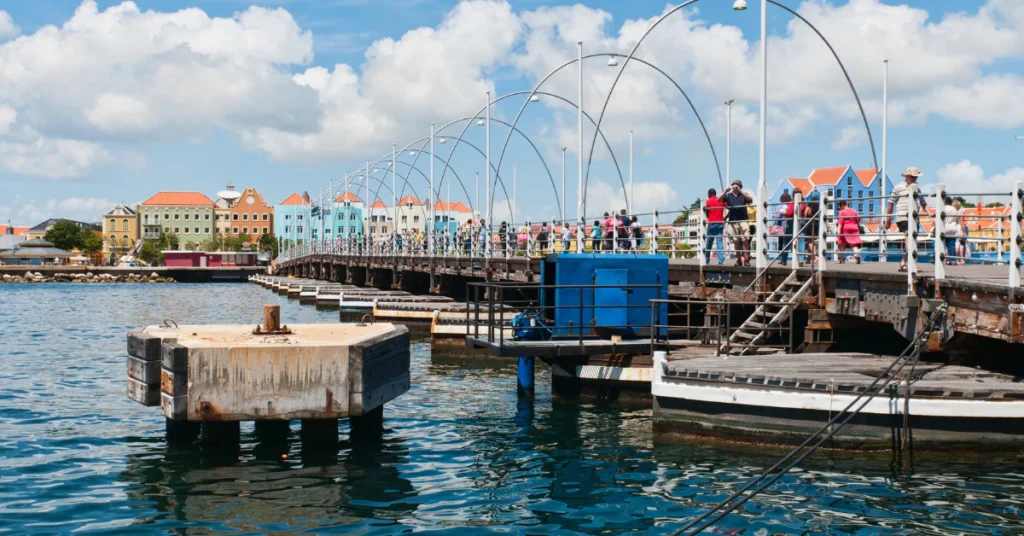
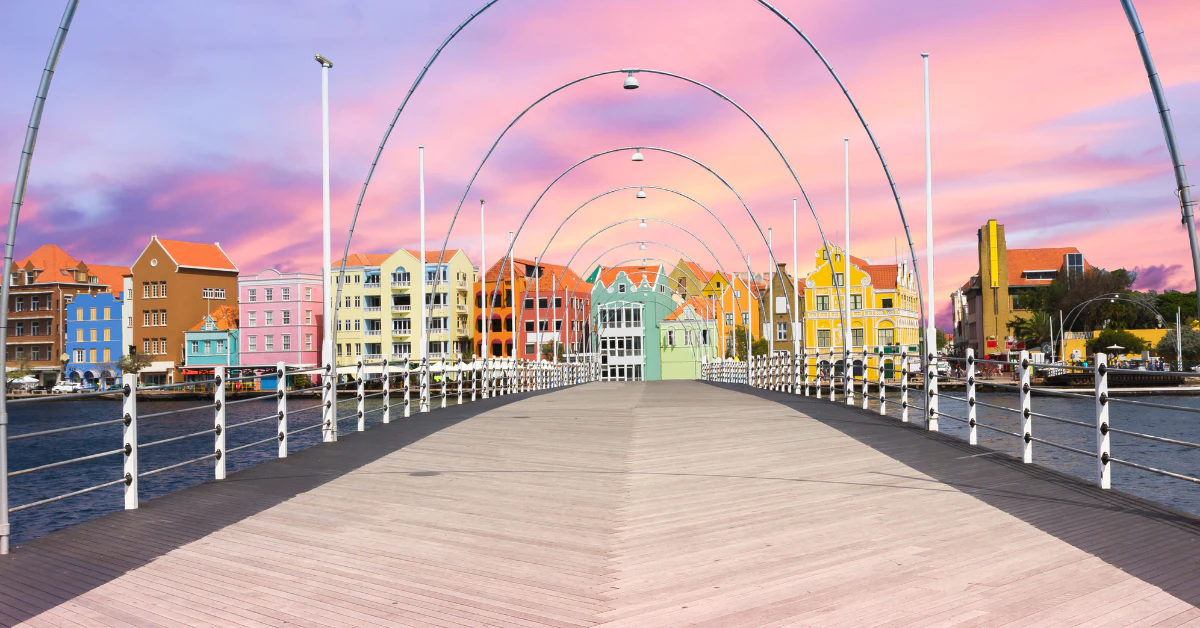
Willemstad is where every Curaçao trip starts. The city splits into two neighborhoods, Punda and Otrobanda, separated by Santa Anna Bay and tied together by one famous bridge.
Queen Emma Bridge
This pontoon bridge floats on pontoons and swings open sideways to let boats pass through the bay. It connects Punda and Otrobanda, and you can walk across it on foot. When it swings open for a passing ship, you simply wait a few minutes for it to close again. At night, the bridge lights up, which is worth seeing if you’re still in town after dark.
Rif Fort
Rif Fort sits on the Otrobanda side, right where the bridge meets the water. It once protected the harbor entrance. Today it has been turned into a shopping, dining, and entertainment space, but you can still climb around the old fort walls and look out over the water from the ramparts.
Mikvé Israel-Emanuel Synagogue
On the Punda side, this synagogue’s current building dates back to 1730. It’s recognized as the oldest continuously used synagogue in the Americas. The building mixes colonial, Caribbean, and traditional Jewish design details, which makes it worth a stop even if you only look at the outside.
Landhuis Chobolobo
Just outside the city center, Landhuis Chobolobo is the factory where the original Blue Curaçao liqueur is made, along with some rums. Tours are offered, and tastings at the shop and small cafe are free.
Walk both neighborhoods at a slow pace. Punda has the shops and the bridge views. Otrobanda has the fort, the street murals, and a more local feel.
Beaches & Snorkeling: What to Actually Expect
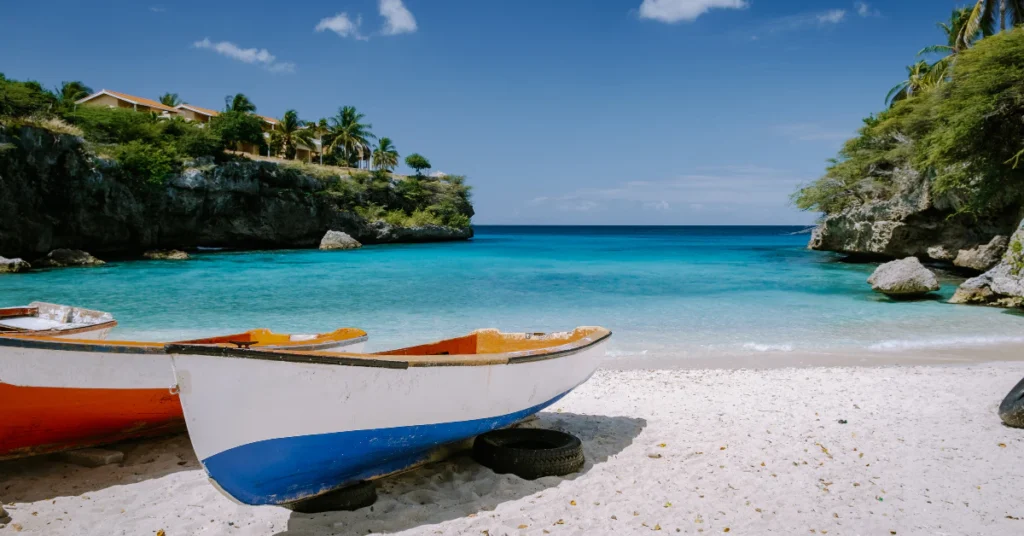
Curaçao’s beaches aren’t long stretches of sand like you might picture for the Caribbean. Most are small coves tucked between rocky cliffs, with calm, clear water that’s great for snorkeling.
Playa Piskado
This beach on the west side of the island is known for sea turtles. They swim close to shore, often right next to snorkelers. It’s a popular spot, so expect crowds, especially around midday.
Playa Lagun
A short drive from Piskado, Lagun is smaller and quieter. It sits between two cliff walls, which makes for calm swimming and good snorkeling without as many people in the water.
Mambo Beach
Mambo Beach is the most developed beach on the island. It has a long boardwalk lined with restaurants and bars, so it’s a good choice if you want food and drinks within walking distance of the sand.
Jan Thiel
Jan Thiel is another well-set-up beach area with beach clubs, dining, and a relaxed vibe. It’s considered one of the safer, more active spots to spend an evening.
Know Before You Go: Beach Fees
Here’s something most guides won’t tell you. In 2026, a local petition called “Kosta Liber” gathered over 260 signatures in just two hours, protesting that more and more of Curaçao’s beaches are being fenced off or charging for access. An opposition political party even asked for a formal debate on the issue. What this means for you: don’t assume a beach is free just because it looks public on a map. Many popular spots now charge for chairs, umbrellas, or basic entry. Bring small bills and budget a little extra for beach days.
Watch for Portuguese Man o’ War
Curaçao’s Ministry of Health has issued repeated public warnings about Portuguese Man o’ War, a jellyfish-like creature with long, stinging tentacles. These warnings have come out almost every year since 2021, usually clustering between July and November, which overlaps with fall travel dates. Sightings have been reported at Mambo Beach, Jan Thiel, Lagun, and Piscadera. They look like a purple, air-filled balloon floating on the surface.
If you see one, keep your distance and don’t touch it, even if it’s washed up on the sand. If you’re stung, rinse the area with seawater, then apply warm water or a diluted vinegar solution. Seek medical help if the pain is severe.
Inland Adventures: Parks, Caves, and Hikes
Curaçao isn’t just beaches. The north side of the island has rugged nature parks, cave systems, and one real hike if you’re up for it.
Christoffel National Park
This is the island’s largest park and home to Mount Christoffel, the highest point on Curaçao. There are several trails to choose from, ranging from an easy 20-minute walk through a deer sanctuary to the full climb up the mountain. The park is open from 6:00 AM to 2:00 PM, with the last entry at 1:30 PM, so plan to arrive early, especially if you want to tackle the summit hike before the heat sets in. Entrance runs around $14 to $15 USD per adult, and the ticket includes access to the on-site Savonet Museum.
Hato Caves
Just north of the airport, Hato Caves is a guided tour through large limestone cave chambers, complete with bats and ancient rock carvings. Self-guided entry tickets cost $8 for adults and $6 for children ages 3 to 11. Keep in mind you’ll need to climb about 49 steps to reach the cave entrance, so it’s not ideal for anyone with mobility issues.
Shete Boka National Park: Know the Real Price
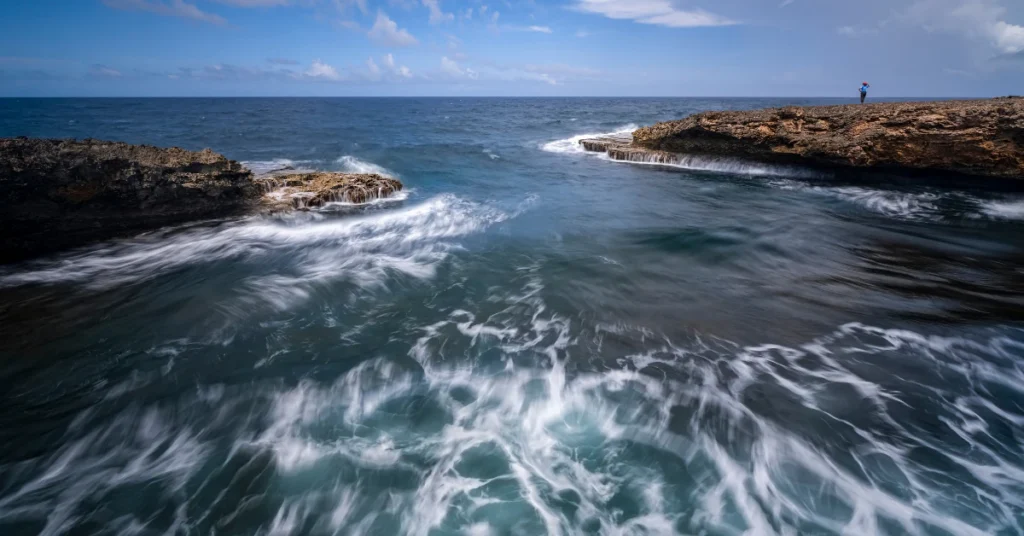
Shete Boka sits on the rugged north coast, where you can watch powerful waves crash into the rocky shoreline. The published entrance fee is $15 USD (or Naf 25.75), and the park is open from 9:00 AM to 4:00 PM.
Here’s a warning worth repeating. One traveler reported being quoted $3 per person online, then charged $11 per person at the actual gate, until their driver pushed back. Prices can shift and gate staff don’t always match what’s posted. Before you pay, ask directly what the current per-person rate is, and bring small bills so you’re not stuck negotiating change. Knowing the real published rate ahead of time gives you something solid to compare against if a gate price feels off.
The Klein Curaçao Day Trip
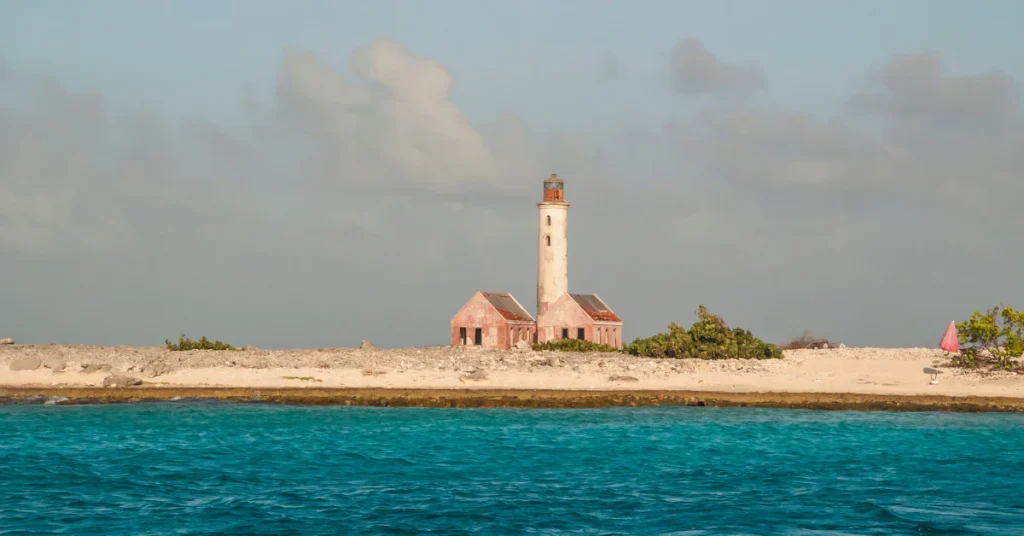
Klein Curaçao is a small, uninhabited island off the southeast coast, reachable only by boat. There’s no development here, just a long white sand beach, a lighthouse, and clear water for snorkeling. Most boat tours include breakfast and lunch, so you can plan to spend the full day without worrying about food.
The main decision you’ll make is which kind of boat to book. Faster boats get you there quicker but cost more. Catamarans take longer but tend to be smoother if you’re prone to seasickness.
| Boat Type | Price (per adult) | Travel Time to Klein Curaçao |
| Fast yacht | 140-150 | As fast as 45 minutes |
| Standard yacht | 105-120 | Around 1 to 1.5 hours |
| Catamaran | 105-120 | Around 1.5 to 2 hours |
A few things to plan around:
- Departure times are early. Most tours leave between 6:45 AM and 8 AM, so this isn’t a trip for late sleepers.
- Book ahead. Boats have limited capacity, and this is one of the most popular excursions on the island.
- Bring snorkel gear if you have it, though most operators provide masks.
- Pack sun protection. There’s little to no shade once you’re on the island beach itself, outside of what your tour operator sets up.
If you only have one full day to spare outside your main itinerary, this is the excursion most worth protecting in your schedule.
The Cruise Visitor’s Guide (6-8 Hour Itinerary)
If you’re arriving by ship, Curaçao is one of the easier Caribbean ports to handle on foot. You just need to know where you’re docking and how to use your limited hours wisely.
Which Pier Are You At?
Curaçao has two main docking spots, and it helps to know which one you’re on before you step off the ship:
- Mega Pier: Built for larger ships that can’t fit under the Queen Emma Bridge. It’s located in West Willemstad.
- Cruise Terminal (Mathey Wharf): Used by smaller to mid-size ships, located closer to the heart of downtown.
The good news is both piers are within walking distance of the Queen Emma Bridge, so wherever you dock, you can walk straight into the city without arranging transport.
A Simple 6-8 Hour Plan
- Walk into Willemstad first. Cross the Queen Emma Bridge and explore both Punda and Otrobanda on foot. This alone can take a couple of hours if you stop for photos and shopping.
- Visit Rif Fort. It’s close to the pier area and easy to fit in early or late in your day.
- Book a beach or nature excursion for the middle of your day. If your ship is in port long enough, a half-day tour to Hato Caves or one of the beaches like Mambo Beach works well, since both are set up for shorter visits.
- Keep an eye on crowding. Popular spots near the pier, including Rif Fort, tend to get busier specifically on days when multiple ships are docked.
- Head back with time to spare. Don’t cut it close. Build in extra time to walk back across the bridge before your ship’s boarding deadline.
Best Things to Do in Curaçao for Couples and Adults
Traveling without kids opens up a different side of Curaçao, one built around beach clubs, sunset dinners, and a livelier evening scene. Three areas do most of the heavy lifting here.
Pietermaai is the neighborhood to head to for nightlife and dinner. It’s known as one of the safer, more active spots after dark, with restaurants and bars that stay busy into the evening.
Jan Thiel works well for a full day as a couple. The beach clubs here are built for lounging, with food and drinks close at hand, so you can skip the planning and just settle in.
Mambo Beach Boulevard is the spot if you want beach time and dining in the same stretch. The boardwalk is lined with restaurants and bars right along the sand, which makes it easy to move from a swim to dinner without going far.
For a couples trip, a good rhythm is beach time at Jan Thiel or Mambo Beach during the day, then dinner and a slower evening in Pietermaai. It covers the relaxed and the lively sides of the island without feeling rushed.
Family-Friendly Curaçao
Curaçao works well for families, mostly because of its beaches. On the southwest coast, the beaches sit in calm, protected coves, with gentle water and no big waves or strong undertow. That makes them a solid choice for young kids who want to splash around safely, and for older kids who are ready to try snorkeling for the first time.
For a change of pace from the beach, Hato Caves is an easy half-day excursion that keeps kids engaged. The guided tour walks you through large cave chambers with bats and old rock carvings, which tends to hold kids’ attention better than a standard museum stop. Just know you’ll need to climb about 49 steps to reach the cave entrance, so it’s manageable for most kids but worth knowing ahead of time if you’re traveling with a stroller or a child who tires easily.
A simple family day might look like this: beach time in the morning at one of the calm southwest coves, then Hato Caves in the afternoon once the sun is at its strongest. It’s an easy combination that doesn’t require much driving between stops.
Weather, Seasons & Safety Updates
Curaçao sits outside the main Atlantic hurricane belt, which sets it apart from a lot of other Caribbean destinations. That doesn’t mean zero risk, since the island is still technically within hurricane season from June through November, but direct hits are rare. What you’ll mostly deal with instead is short, heavy rain bursts rather than full days of gray skies.
Month by Month
August is warm and still fairly dry, making it a good window before the wetter stretch sets in.
September brings more heat and marks the start of the rainier months, but showers tend to be brief rather than constant.
October sees a bit more rain than September, usually arriving in short bursts rather than all-day downpours.
November continues that pattern, with rain that doesn’t tend to stick around long. This is also part of the island’s quieter, lower-season stretch, which can mean fewer crowds and better deals.
December marks the shift into peak season. Rain can still show up here and there, but sunshine remains the dominant weather, and this is when tourist numbers start climbing again.
Across all five months, pack a light rain jacket, but don’t expect it to ruin your plans. Showers pass quickly on this island.
A Direct Answer on Safety
If you’ve seen headlines about tension near Venezuela and wondered whether that affects a Curaçao trip, here’s the clear answer: as of the most recent update on September 9 and 10, 2026, the U.S. State Department still rates Curaçao at Level 1, Exercise Normal Precautions, the same tier given to many Western European countries.
There was one real disruption worth knowing about. In early January 2026, following U.S. military action near Venezuela, airspace over the ABC islands was briefly restricted, and a few airlines paused flights to Curaçao for a short stretch. That disruption resolved within days, flights and cruise calls returned to normal, and the advisory level never changed throughout. It’s a fair thing to be aware of, but it isn’t a reason to cancel or delay a trip based on current guidance.
For the latest official update before you travel, it’s worth checking the U.S. State Department’s Curaçao travel advisory page directly, since advisories can be updated at any time.
Essential Logistics & Reality Checks
A few honest truths before you book, because no travel guide should sugarcoat these.
You’ll want a rental car. Public transportation on Curaçao is limited and unreliable. Most locals drive, and if you want to reach beaches, Christoffel Park, or Shete Boka on your own schedule, a rental car is close to a must.
The Isla refinery is real, and it’s not pretty. Depending on where you’re staying or driving, you may catch sight (and smell) of an oil refinery near Willemstad. It’s not something the glossy marketing photos show, but it’s a fact of the island’s geography. Worth knowing before you pick a hotel, especially if you’re sensitive to it.
Skip the Aruba day trip. If you’re already vacationing in Aruba and thinking about a quick side trip to Curaçao, think twice. Round-trip flights between the two islands can run $400 to $500, which is close to what you’d pay flying there directly from the US. A rushed day trip at that price rarely makes financial sense. If you want to see both islands, treat them as two separate trips instead.
Frequently Asked Questions
What is Curaçao best known for?
Curaçao is best known for the colorful Dutch-colonial buildings along the Willemstad waterfront, the original Blue Curaçao liqueur, and calm, clear-water beaches that are great for snorkeling.
What is the main food in Curaçao?
Keshi Yena is widely considered the island’s signature dish. It’s made from cheese stuffed with spiced meat, a recipe that traces back to the island’s colonial history. Stoba, a hearty meat stew, is the everyday staple most locals eat regularly.
How many days in Curaçao is enough?
It depends on what you want to do. If you’re coming off a cruise ship, a single day is enough to see Willemstad and fit in one nearby activity. For a full trip that includes a few beaches, a nature park, and a Klein Curaçao day trip, plan for several days so you’re not rushing between stops.
Is it better to go to Aruba or Curaçao?
There’s no single right answer. Aruba has longer, sandier beaches and a livelier resort scene. Curaçao offers more of an authentic island feel, a historic city center, and varied snorkeling spots. If you want long stretches of sand and polished resorts, Aruba fits better. If you want culture, history, and a quieter pace, Curaçao is the stronger pick.
Where to avoid in Curaçao?
There’s no specific no-go zone tourists need to memorize. The general advice is to use normal nighttime caution in poorly-lit residential streets, especially in parts of Otrobanda after dark, and avoid isolated beaches alone at night. Stick to active areas like Punda, Pietermaai, Mambo Beach, and Jan Thiel in the evening.
Is it safe for Americans to go to Curaçao right now?
Yes. As of the most recent update in September 2026, the U.S. State Department rates Curaçao at Level 1, Exercise Normal Precautions. A brief airspace disruption in January 2026 related to tension near Venezuela resolved within days and didn’t change the advisory level.
What are the downsides of Curaçao?
Public transportation is limited, so renting a car is close to necessary. An oil refinery near Willemstad can be visible and noticeable by smell depending on where you are. Some beaches also now charge access or chair fees that weren’t common before, following growing privatization on the island.
What fruit is Curaçao known for?
The Laraha orange. It’s too bitter to eat, but its dried peel is what gives Curaçao liqueur its flavor.
Is it safe to swim in the ocean in Curaçao?
Generally yes, especially at the calm, protected cove beaches on the southwest coast. Just watch for Portuguese Man o’ War, a stinging, jellyfish-like creature that Curaçao’s health ministry has warned about repeatedly between July and November.
Conclusion
Curaçao rewards travelers who mix it up. Spend a day wandering Willemstad’s painted streets, a day floating in a calm cove beach, and a day out in the wild stretches of Christoffel or Shete Boka, and you’ll walk away with a real sense of the island, not just a tan. Just go in with the right expectations: rent a car, budget for a few beach fees, watch for jellyfish warnings in the fall, and double check prices at park gates before you pay. Do that, and Curaçao delivers one of the more well-rounded trips in the Caribbean.