
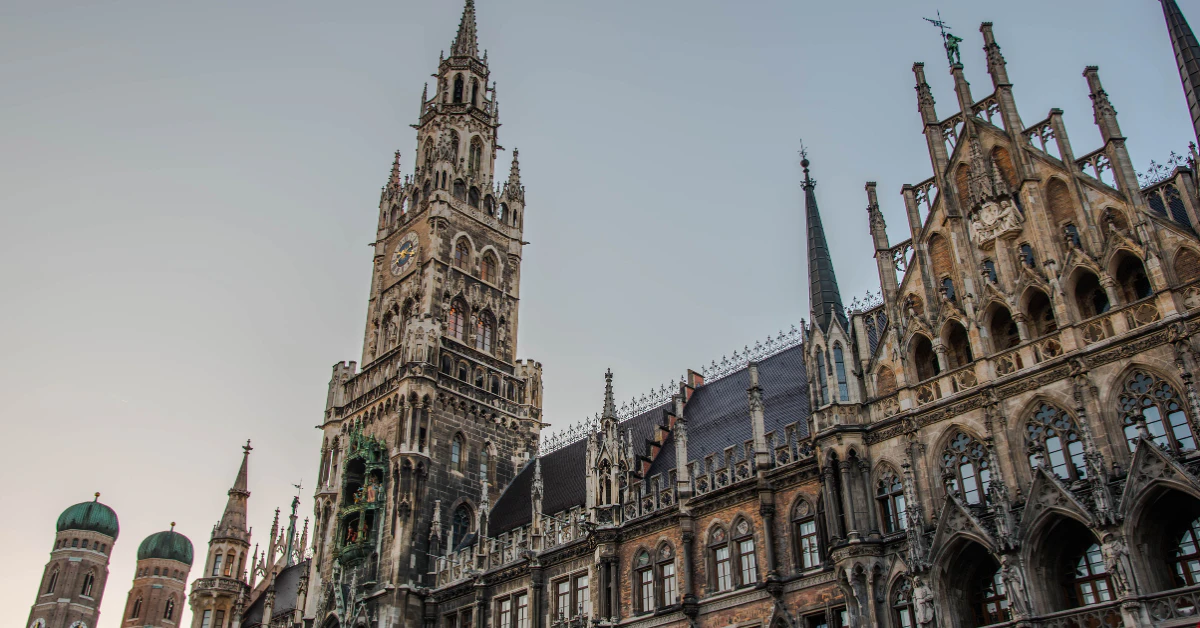
The best things to do in Munich, Germany are watching the Glockenspiel show at Marienplatz, touring Nymphenburg Palace, and sampling local food at Viktualienmarkt. These three spots sit at the heart of the city and give first-time visitors a fast, complete taste of Munich’s history, royalty, and food culture in a single day.
Munich is the capital of Bavaria, Germany’s largest state in the south. It blends old-world charm with a modern, walkable city center. Visitors come for the beer halls and Oktoberfest, but the city offers far more: grand palaces, centuries-old churches, world-class museums, and green parks made for slow afternoons. Whether you have two days or a full week, this guide breaks down exactly what to see, when to go, and how to make the most of your time in Munich.
The Core Munich Baseline: Castles, Clocks, and Markets
A handful of sights show up on every Munich itinerary, and for good reason. Start here before you branch out.
Marienplatz and the Glockenspiel
Marienplatz is the main square in Munich’s Old Town, and it’s where most visits begin. The square is home to the Neues Rathaus (New Town Hall), a Gothic building finished in 1908. Its claim to fame is the Glockenspiel, a mechanical clock show with life-sized figures that act out two old Munich stories: a royal wedding and a 16th-century dance.
The show runs daily at 11:00 am and 12:00 pm. From March through October, a third show plays at 5:00 pm. It lasts about 12 minutes and is free to watch from the square below.
Viktualienmarkt
A short walk from Marienplatz brings you to Viktualienmarkt, Munich’s daily food market. Vendors sell fresh produce, cheese, flowers, meats, and local snacks like pretzels and weisswurst. It’s a great spot for a quick lunch or to pick up picnic food before heading to a park.
Frauenkirche
The Frauenkirche, or Cathedral of Our Lady, is Munich’s most recognizable church. Its twin towers, topped with onion-shaped domes, define the city skyline. Inside, the space feels open and bright, a contrast to the darker Gothic churches found elsewhere in Europe.
Nymphenburg Palace
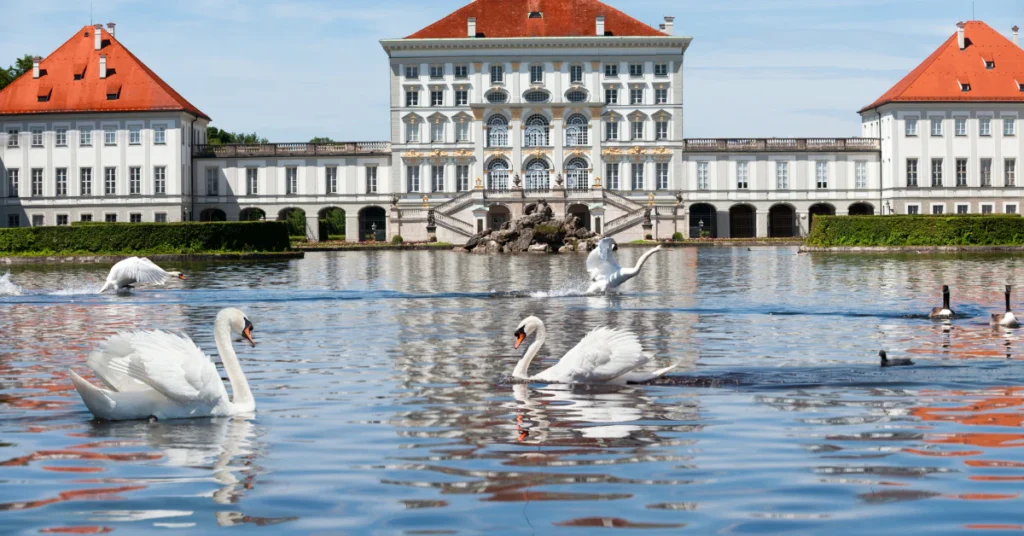
A few miles west of the city center, Nymphenburg Palace was once the summer home of Bavaria’s royal family. The main palace building costs €10 for an adult ticket in 2026. The surrounding gardens, which include canals, small lakes, and several smaller palace buildings, are free to enter and open year-round.
Plan at least an hour for the palace interior and another hour if you want to walk the full gardens. The grounds are large, so comfortable shoes help.
| Sight | What It Costs | Good to Know |
| Marienplatz Glockenspiel | Free | Shows at 11am, 12pm, and 5pm (summer only) |
| Viktualienmarkt | Free to browse | Closed Sundays |
| Frauenkirche | Free to enter | Tower visits cost extra |
| Nymphenburg Palace | €10 adult (palace) | Gardens are free year-round |
These four stops cover the essentials. For official hours and ticket details before your trip, check the Nymphenburg Palace website.
Autumn in Bavaria: September & October Trips
If you’re reading this hoping to catch Oktoberfest, here’s the timing to know. In 2026, Oktoberfest ran from September 19 to October 4 at Theresienwiese, Munich’s festival grounds. If your trip falls after that window, the tents are already packed up for the year. Use this guide to plan ahead for the next Oktoberfest, or focus on the many things to do in Munich in October and September that don’t depend on beer tents at all.
Early fall is actually one of the best times to visit the city. The crowds thin out once the festival ends, hotel prices often drop, and the weather stays mild enough for walking.
Things to Do in Munich in September (Outside the Festival)
September days tend to be warm and clear, making it a good month for outdoor time. The English Garden is especially pleasant for walking or sitting by the water. Viktualienmarkt is also in full swing, with late-summer produce filling the stalls.
Things to Do in Munich in October (After Oktoberfest)
Once Oktoberfest wraps up, October settles into a quieter rhythm. Cooler days make this a good stretch for indoor sights like Nymphenburg Palace or a visit to one of Munich’s churches, such as the Frauenkirche. It’s also a comfortable month for walking tours around Marienplatz without the festival crowds competing for sidewalk space.
If Oktoberfest itself is the goal, mark your calendar early. Dates shift slightly each year, so check the official Oktoberfest site before booking flights or hotels.
Winter in Munich: November & December Itineraries
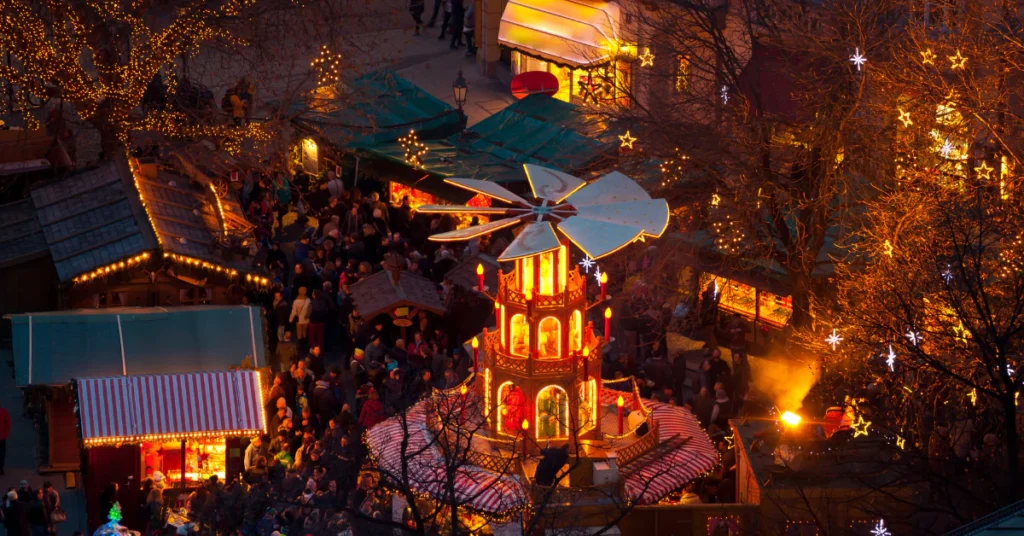
Munich slows down in winter, but it doesn’t shut off. Cold weather just shifts the best things to do in Munich in November and in Munich in December indoors, with one big exception: the Christmas markets.
Christkindlmarkt and the Holiday Season
The main Christkindlmarkt at Marienplatz runs from November 26 to December 24, 2026. Over 140 stalls fill the square in front of the Neues Rathaus, selling mulled wine, roasted nuts, ornaments, and Bavarian crafts. It’s open Monday through Saturday from 10 am to 9 pm, and Sundays from 10 am to 8 pm. The Glockenspiel still performs on its usual schedule during market season, so you can catch both in one stop.
Evenings get cold fast this time of year, so bring layers if you’re planning to wander the stalls after dark.
Indoor Days: Deutsches Museum
When the weather turns, Munich’s museums are the better bet. The Deutsches Museum is one of the largest science and technology museums in the world, and it’s a solid full-day activity when it’s too cold or wet to walk around outside. As of January 28, 2026, the adult ticket price is €16, up from €15. The museum is open daily from 9 am to 5 pm.
Between the Christmas market by day and a museum visit when temperatures drop, November and December offer a different side of Munich than the warmer months. It’s quieter, cozier, and still full of things to do.
For current Christkindlmarkt dates and hours each year, check muenchen.de, the city’s official tourism site.
Things to Do in Munich on Sunday
If you’re used to Sunday shopping back home, Munich will catch you off guard. German law keeps most retail stores closed on Sundays, so don’t plan a day of browsing shops or running errands. It surprises a lot of first-time American visitors, but it’s worth knowing ahead of time so it doesn’t eat into your trip.
The good news is that Sunday is actually one of the best days to find things to do in Munich on a budget. Four of Bavaria’s state art museums drop their admission to just €1 per person every Sunday:
- Alte Pinakothek
- Pinakothek der Moderne
- Museum Brandhorst
- Egyptian Museum (Ägyptisches Museum)
That’s a steep discount from the Alte Pinakothek’s usual adult price of around €7. All four museums sit close together in the Kunstareal, Munich’s museum quarter, so you can easily visit two or three in one day without much travel time between them.
Since markets like Viktualienmarkt are also closed on Sundays, this is the perfect day to trade outdoor wandering for gallery time instead. Grab coffee nearby, pick a museum or two, and spend the afternoon somewhere warm and quiet.
Just keep in mind that the €1 deal draws bigger crowds than a regular weekday visit, so arrive early if you want to beat the lines.
Family Travel: Things to Do in Munich With Kids
Traveling with kids in Munich got easier this year. As of January 1, 2026, children aged 6 to 14 ride free on public transit when they’re with an adult holding a Single-Day Ticket. That adult ticket costs €10.10 and covers unlimited rides on buses, trams, the U-Bahn, and the S-Bahn within Zone M, which includes most of the city center. For a family of four, that’s a real savings compared to buying separate child tickets for every ride.
This makes it easy to bounce between neighborhoods without worrying about transit costs piling up.
Kid-Friendly Stops
A few spots work especially well for families:
- Marienplatz – The Glockenspiel show at 11am and 12pm is short, visual, and easy for young kids to follow without needing to understand German history.
- Viktualienmarkt – Kids tend to enjoy wandering the stalls, and there’s plenty of grab-and-go food if picky eaters need options.
- English Garden – Open green space is hard to beat when kids need to run around after a morning of sightseeing.
- Deutsches Museum – With hands-on exhibits covering science and technology, this museum tends to hold kids’ attention longer than a typical art gallery.
A Few Practical Notes
Public transit in Munich runs on an honor system, meaning there are no gates to check tickets. Random checks do happen, so keep your Single-Day Ticket handy even though your kids don’t need their own.
Strollers are common on Munich’s trams and trains, and most platforms are step-free, which helps if you’re traveling with a stroller or a tired toddler who refuses to walk another block.
Beer Gardens & Surf Waves: For Adults & Young Adults

Munich’s English Garden has a surfing scene, and it’s one of the city’s stranger, more fun surprises. The Eisbachwelle is a standing wave on a small river that cuts through the park, and local surfers ride it year-round, even in winter wetsuits.
The wave actually disappeared for a while. In November 2025, routine river dredging flattened it completely, leaving local surfers without their spot. The closure stretched on for months until Munich’s mayor officially reopened the wave for surfing on May 8, 2026. If you’re visiting now, it’s back and worth a stop, even if you’re just watching from the bridge above.
The English Garden has another side too. Parts of the park are designated FKK zones, where nude sunbathing is legal. It’s a normal part of German park culture, not a spectacle, so don’t be surprised if you pass through one on a walk.
Beer Gardens for a More Local Feel
If you want a beer garden that feels less like a tourist stop, Augustiner-Keller is worth the trip. It’s a favorite among locals, with beer served straight from wooden barrels and a shaded garden under old chestnut trees. It’s a solid alternative if Hofbräuhaus feels too packed with other tourists.
Between the surf wave, the open park culture, and a beer garden that locals actually choose, this corner of Munich gives younger travelers a good mix of things to do that feel less scripted than the standard sightseeing list.
Itinerary Planning: How Many Days Do You Need?
How much time you need in Munich depends on whether you’re sticking to the city or adding day trips. Here’s a realistic breakdown:
| Trip Length | What You Can Cover |
| 2 Days | Marienplatz, Viktualienmarkt, one church, one museum, one beer hall. Enough for the core sights, but no room for a day trip. |
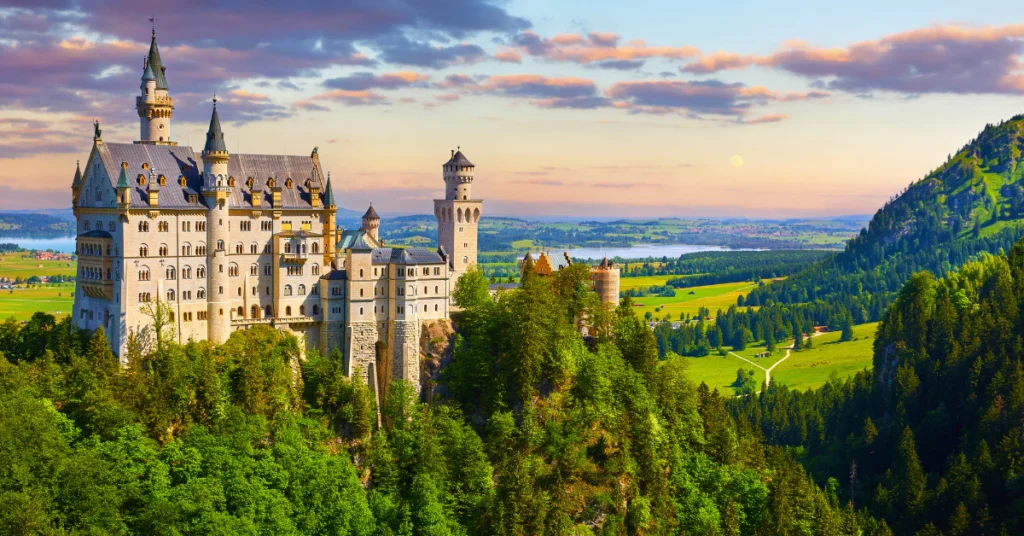
| 3 Days | Everything above, plus Nymphenburg Palace and one full day trip outside the city (Dachau or Neuschwanstein). |
| 1 Week | The full city at a relaxed pace, multiple museums, both major day trips, and time to explore neighborhoods beyond the city center. |
Two days works if Munich is one stop on a longer Europe trip. Three days is the sweet spot for most first-time visitors, since it leaves room for one meaningful trip outside the city without feeling rushed.
Getting to Dachau: What Competitors Get Wrong
If Dachau Concentration Camp Memorial Site is on your list, plan your transit time carefully. The S2 train from Munich’s main station takes about 25 minutes to reach Dachau station, and that’s just the first leg. From there, you’ll need to catch bus 726 to reach the memorial itself. Budget closer to 45 minutes total, not the quick trip some guides suggest.
A few other things to know before you go:
- The site is generally not recommended for children under 12.
- Food and drink aren’t allowed inside the memorial.
- Entry itself is free, though guided tours cost extra.
Build Dachau into a 3-day or longer itinerary rather than squeezing it into a 2-day trip.
Munich Etiquette: What Not To Do as an American
A few small habits can trip up first-time visitors to Munich. None of these are complicated, but getting them wrong can cost you money or just feel awkward. Here’s what to know before you go.
Don’t Skip Your Transit Ticket
Munich’s buses, trams, and trains don’t have turnstiles. You can walk right onto a platform without tapping a card or showing a ticket. That doesn’t mean rides are free. Random checks happen, and if you’re caught without a valid ticket, the fine is a flat €60. “I didn’t know” won’t get you out of it, so always buy your ticket before you board.
Don’t Plan Museums for Monday
Most public museums in Munich are closed on Mondays. If a museum visit is high on your list, build it into a different day. Showing up on a Monday with no backup plan is a common and avoidable mistake.
Don’t Sit Down Without Asking
Beer gardens often use shared, communal tables. If you see an open seat, don’t just sit down. Ask “Ist hier noch frei?” (“Is this seat still free?”) first. It’s a small phrase, but skipping it reads as rude to locals.
Don’t Jaywalk
Jaywalking is a bigger deal in Munich than in most American cities. Even if the street is empty, crossing against a red pedestrian signal can draw real disapproval from people nearby, including a direct comment. Wait for the signal, even when it feels unnecessary.
Frequently Asked Questions About Visiting Munich
What should you not miss in Munich?
Marienplatz and its Glockenspiel show, Viktualienmarkt, Nymphenburg Palace, and at least one major church like the Frauenkirche. These cover the core of what makes Munich worth visiting, and they’re all walkable from the city center.
Is 3 days in Munich enough?
Yes, for most first-time visitors. Three days covers the main city sights plus one day trip, like Dachau or Neuschwanstein, without feeling rushed.
Is 2 days enough for Munich?
Two days covers the essentials, like Marienplatz, a museum, and a beer hall, but doesn’t leave room for a day trip. It works best if Munich is one stop on a longer trip.
What is Munich, Germany best known for?
Munich is known for Oktoberfest, its beer hall culture, and its role as the historic capital of Bavaria. It’s also home to grand architecture like the Frauenkirche and Nymphenburg Palace, plus major museums like the Deutsches Museum.
What is a must buy in Munich?
Local bakery goods, like fresh pretzels, are an easy and affordable pickup. Traditional Bavarian wear, like a dirndl or lederhosen, is also a popular souvenir from specialty shops around the city.
Which city is nicer, Berlin or Munich?
This comes down to travel style. Berlin is larger and more spread out, with a stronger nightlife and history scene. Munich is smaller, easier to walk, and has a more traditional, polished feel. Neither is objectively better, they just suit different trips.
What not to do in Germany as an American?
Don’t jaywalk, even on an empty street. Don’t sit at a shared beer garden table without asking if the seat is free. Don’t assume Sunday is a normal shopping day, since most stores close. And always buy a transit ticket, since fare checks carry a flat €60 fine.
Which is the prettiest city in Germany?
This is a matter of opinion. Munich is often praised for its Baroque architecture, while cities like Heidelberg and Dresden also draw attention for their own distinct styles. There’s no official ranking.
Which city is better, Frankfurt or Munich?
Again, this depends on what you want. Frankfurt is a financial hub with a modern skyline and strong transit connections. Munich tends to feel cleaner and more scenic, with easier access to mountains and lakes nearby.
Conclusion
Munich rewards visitors who plan a little ahead. The city center covers its biggest sights in a day or two, but the real value comes from matching your trip to the season, whether that means catching the Glockenspiel and a €1 museum Sunday, timing a visit around Oktoberfest, or warming up at the Deutsches Museum during the Christkindlmarkt season. Follow the transit rules, learn the beer garden etiquette, and budget real time for day trips like Dachau. With that groundwork in place, Munich is an easy city to enjoy, whether you have two days or a full week.