
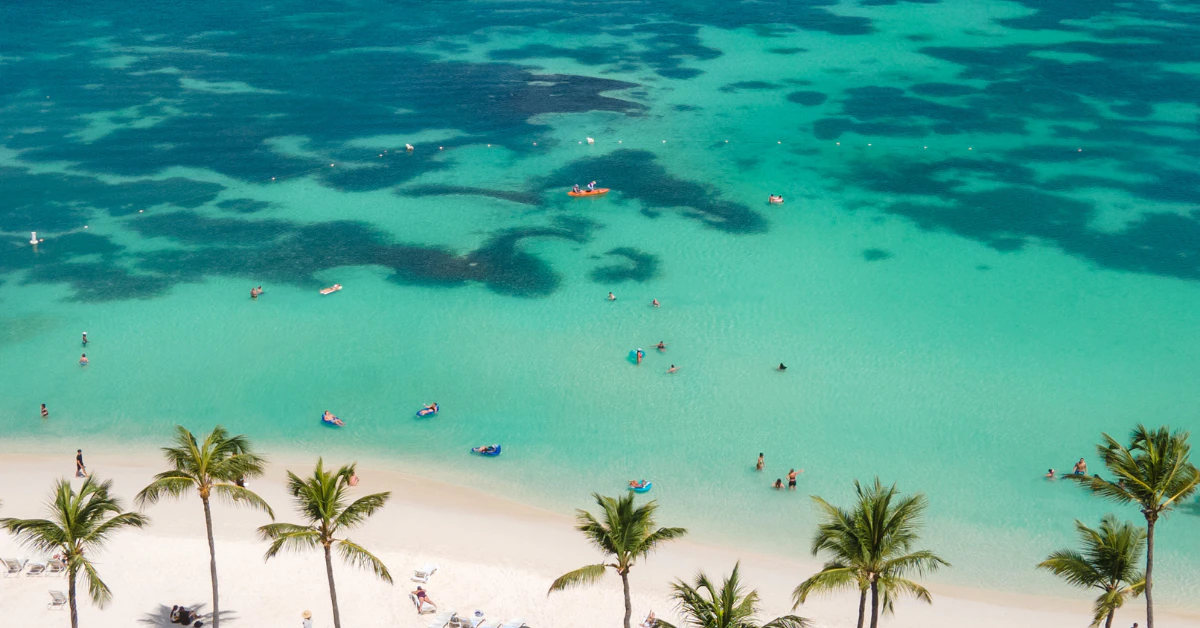
The best time to visit Aruba is December through April, but not because the weather changes. Aruba’s weather barely moves all year. This window is busy because snowbirds from the US and Canada fly south to escape winter, not because the sun shines harder.
Here’s the real advantage: Aruba sits safely outside the Caribbean hurricane belt. That means warm, dry weather almost any month you pick, whether you’re planning a 2026 trip or booking ahead for 2027.
So the real question isn’t “when is it nice.” It’s “what do I want.” Lower prices? Fewer crowds? Big festivals? Perfect wind for watersports?
This guide breaks down each month, what it actually costs, who should go when, and the honest tradeoffs nobody else tells you about. Let’s get into it.
Choosing Your Best Time: A Traveler-Specific Framework

There’s no single “best month” for every traveler. Your ideal time depends on who you’re traveling with and what you care about most. Here’s how to pick.
Traveling with Kids
Families are stuck with school calendars, so your real choice is often summer break or winter holidays, not the calendar you’d pick if money didn’t matter. Summer (June through August) gives you warm, dry weather and plenty of daylight for beach days. Winter break lands right in peak season, so expect higher prices and busier resorts. If your kids’ school allows any flexibility, late spring (May or early June) gives you great weather with thinner crowds and lower costs than the winter rush.
Traveling from the UK
If you’re flying in from the UK, your flight itself eats a big chunk of travel time no matter which month you pick, so weather consistency matters more than chasing a “perfect” window. Aruba’s dry, mild climate holds steady across the calendar, so you’re not gambling much by picking dates around other priorities, like cheaper fares or school terms back home. Many UK travelers lean toward all-inclusive packages simply because it locks in costs upfront, which matters more when you’ve already paid for a long-haul flight.
All-Inclusive or Not?
Here’s something worth knowing before you book: Aruba has more than 400 independent restaurants. That’s unusually high for a Caribbean island this size. If you love trying local food, a room-only stay often makes more sense than an all-inclusive package, since you can eat out every night without blowing your budget. All-inclusive still works well for families or big groups who want predictable costs and zero planning, but foodies should think twice before locking themselves into one resort’s menu.
Carnival Season: Join or Avoid
If you want festivals, music, and parades, plan around Carnival. In 2026, Carnival Monday falls on February 16. In 2027, the season runs through January and February, with Carnival Monday on February 8 and Ash Wednesday on February 10. If you’d rather skip the crowds and noise, avoid booking during these weeks.
Aruba Weather Reality Check: Wind, Rain, and Seaweed

Good weather means more than just sunshine. Here’s what you actually need to know before you pack.
The Seaweed Problem Aruba Doesn’t Have
Across much of the Caribbean, including popular spots like Punta Cana and parts of Mexico, thick mats of smelly brown seaweed called sargassum pile up on beaches during warmer months. It’s a real problem that can ruin a beach vacation. Aruba and its sister islands, Bonaire and Curacao, are widely reported to be among the least affected by these blooms. That’s one less thing to worry about when you’re chasing the best time to visit Aruba for good weather.
Wind: Aruba’s Secret Feature (and Occasional Annoyance)
Aruba is windy. Not gentle island-breeze windy, but steady, strong trade winds blowing 15 to 25 miles per hour almost every day. These winds pick up even more from February through August, with the strongest stretches often falling between May and August.
This wind is a huge draw for kitesurfers and windsurfers. Fisherman’s Huts beach is known for reliable, strong winds that make it one of the best kitesurfing spots in the Caribbean.
But if you’re planning a relaxed beach day, the wind has a downside. Expect sand blowing across your towel, umbrellas that need real anchoring, and hair that won’t stay put for photos. It’s not a dealbreaker, just something to plan for. Mornings tend to be calmer than afternoons.
Rain: Mild by Caribbean Standards
November is consistently the wettest month in Aruba. But don’t let that scare you off. Compared to most of the Caribbean, Aruba’s rain is light and brief. Showers tend to pass quickly, often within minutes, and sunny skies usually return fast.
So if you’re weighing the best time to visit Aruba for good weather, the honest answer is this: nearly every month works. The real variables aren’t rain or hurricanes, they’re wind strength and how much seaweed-free beach time you want guaranteed.
Month-by-Month Guide: Crowds, Costs, and Cruise Ships

Most guides only count cruise ships when they talk about “crowds.” That’s misleading. Cruise ship visitors and hotel guests follow completely different patterns, and mixing them up gives you the wrong picture of how busy the beaches and restaurants will actually feel.
Cruise Crowds vs. Hotel Crowds Aren’t the Same Thing
Here’s a clear example. April sees around 30 cruise ship visits for the month, but stay-over visitors, people actually sleeping in hotels and renting condos, top 100,000. That’s a lot of bodies on the beach, even though cruise traffic looks modest.
May tells a different story. Cruise ship visits drop to around 10 for the month. If you only looked at cruise data, you’d think May is quiet. But plenty of hotel guests are still there, just fewer day-tripping cruise passengers crowding the beaches and restaurants during daylight hours.
The takeaway: if you’re staying in a hotel, don’t judge a month’s crowd level by cruise ship counts alone. Stay-over visitor numbers tell you more about how packed your beach chair row or dinner reservation will feel.
When Prices Actually Drop
If your main goal is saving money, the calendar is clear. September through November consistently brings the cheapest hotel rates in Aruba, often 30 to 50 percent below peak winter pricing. Fewer people travel during these months, so resorts lower rates to fill rooms.
May and June are worth considering too. They won’t match the rock-bottom pricing of fall, but they offer solid shoulder-season value. Weather is still great, crowds have thinned out from the winter rush, and rates sit noticeably below peak.
Quick Reference: What Each Season Means for You
| Season | Cruise Traffic | Stay-Over Crowds | Pricing |
| Dec to mid-April | High | Very high | Peak, most expensive |
| May to June | Low | Moderate | Good value, shoulder season |
| July to August | Moderate | High (family travel) | Mid-range |
| Sept to Nov | Low to moderate | Lowest of the year | Cheapest, 30-50% off peak |
What This Means for Your Trip
If you want empty beaches and the lowest prices, September through November is your window. If you don’t mind moderate crowds but want better weather odds and some savings, May or June is a smart middle ground.
And if someone tells you a month is “quiet” based only on cruise ship schedules, double-check what the stay-over numbers say. That’s the data that actually affects your beach towel real estate and your dinner wait time.
Timing a Multi-Island Trip: Aruba, Bonaire, and Curacao
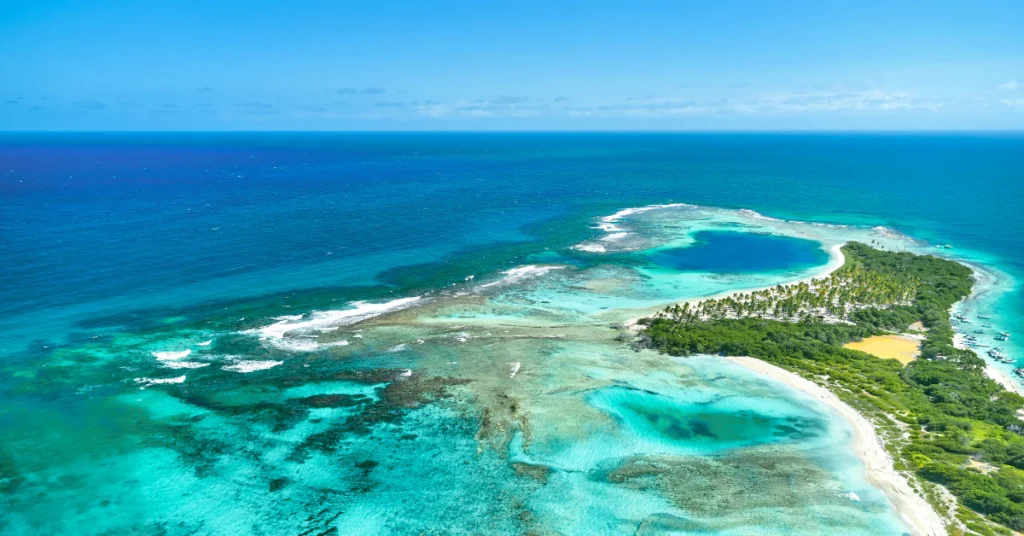
Planning to hit all three ABC islands in one trip? You’re in luck. Timing this is easier than you’d think.
Aruba, Bonaire, and Curacao sit close together, all around 12 to 12.5 degrees north latitude. That shared location means they have nearly identical climates. All three are dry, warm, and sit safely south of the hurricane belt. You won’t find one island baking in heat while another gets soaked in rain.
This matters a lot for planning. With most Caribbean island-hopping trips, you have to juggle different rainy seasons or storm risks depending on where you’re headed. Not here. The best time to visit Aruba and Curacao is basically the same window, since both follow the same weather pattern.
Same goes for travelers chasing the best time to visit Aruba, Bonaire, and Curacao together. Pick your dates based on your budget or crowd preferences, not weather gymnastics. Whether you land in January or June, all three islands will likely offer the same warm, breezy, low-rain experience.
That means one simple booking decision, instead of three separate ones.
Need-to-Know Logistics: Fees, Customs, and Scams to Avoid
Before you book flights, know these three things. They’ll save you money, time, and headaches.
The ED Card and Sustainability Fee
Every traveler arriving by air, including kids age 8 and up, must complete Aruba’s online ED Card within 7 days of arrival. As of December 2024, this comes with a mandatory $20 sustainability fee per person, charged once per calendar year. Skip this step and you won’t be allowed to board your flight.
Only use the official government site, edcardaruba.aw, to complete this. Several third-party websites charge extra fees to “help” you fill out the same form you can complete for free yourself. Don’t pay more than you have to.
A Customs Perk Most Travelers Don’t Know About
Here’s a genuine advantage Aruba has over most Caribbean islands. Queen Beatrix International Airport has US Customs and Border Protection preclearance. That means you clear US customs before you leave Aruba, not after you land back home. Your return flight lands you in as a domestic passenger, so you skip the usual customs line entirely.
Scams to Watch For
Timeshare “scratch card” solicitations are the most common scam reported in Aruba. Street vendors offer free scratch-off prizes to pull you into high-pressure timeshare presentations. These spike hard during peak season, December through April, when tourist traffic is highest. Politely decline and walk away. No prize is worth hours of your vacation.
Frequently Asked Questions
What is nicer, Turks and Caicos or Aruba?
It depends on what you want. Turks and Caicos has clearer water and a quieter, more exclusive feel, with Grace Bay often rated as one of the best beaches in the Caribbean. Aruba is livelier, easier on the wallet, and packed with more dining and nightlife options. If calm luxury is your priority, Turks and Caicos wins. If you want energy and value, Aruba takes it.
What month is the cheapest to go to Aruba?
September is consistently the cheapest month, with hotel rates often 30 to 50 percent below peak winter pricing. October and November stay affordable too. May and June offer a solid secondary value window if fall doesn’t fit your schedule.
Is Aruba as nice as Hawaii?
They’re not really comparable. Aruba is a short, no-jet-lag flight from the East Coast, usually 4 to 5 hours with no real time change. Hawaii takes 10 to 12 hours and shifts your body clock by 5 to 6 hours. Aruba is flat and desert-like. Hawaii is lush and volcanic, with more to explore but more travel time required. Pick based on how much time you have and how far you want to fly.
What is the rainy season in Aruba?
Roughly October through January, with November typically the wettest month. Even then, rain in Aruba is light and brief compared to most of the Caribbean.
What month not to go to Aruba?
There’s no month to flatly avoid. If you’re sensitive to rain, November is the wettest. If you hate intense heat, July through September run hottest. Otherwise, every month is reasonably safe and pleasant.
What is nicer, Bahamas or Aruba?
Another matter of priorities. The Bahamas has more dramatic scenery across 700-plus islands and sits closer to the hurricane belt. Aruba feels smaller, safer, and more budget-friendly, with steadier year-round weather since it sits outside the hurricane belt.
What to beware of in Aruba?
Petty theft, like rental car break-ins and unattended beach bags, is the most common issue. Violent crime against tourists is rare. Watch for timeshare scratch-card scams and only use the official ED Card website to avoid overpaying.
Is it better to do all inclusive or not in Aruba?
Aruba has more than 400 independent restaurants, so food lovers often do better booking a room-only stay. All-inclusive still makes sense for families or groups who want predictable costs and no planning.
Conclusion
Aruba doesn’t really have a bad time to visit. That’s the honest truth. What changes isn’t the weather, it’s your budget, your crowd tolerance, and what kind of trip you want.
Want festivals and energy? Go during Carnival. Want the cheapest rates and empty beaches? Book September through November. Traveling with kids or coming from far away? Let your calendar and flight time guide you instead of chasing a mythical “perfect” month.
Whatever you pick, you’ll land somewhere dry, warm, and safely out of the hurricane belt. That’s a guarantee most Caribbean islands can’t make.