
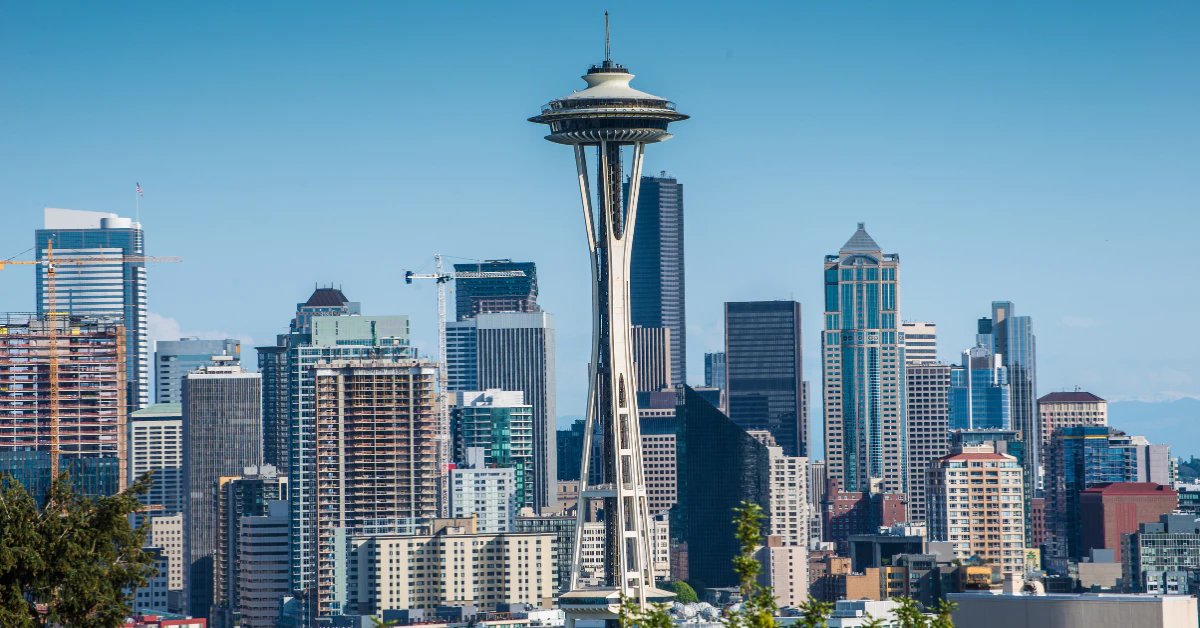
July through September brings the driest, sunniest weather in Seattle. May, June, and October offer a smart mix of good weather and smaller crowds. December through February is coldest and wettest, but also the cheapest.
Now let’s kill the biggest myth about this city. Seattle is not a rain-soaked place year-round. According to NOAA’s climate data, Seattle sees rain on about 156 days a year. That sounds like a lot. But most of those days bring light drizzle, not downpours. In fact, Seattle gets less total rainfall each year than New York City or Miami. The real story is frequency, not volume.
July and August are the driest months of the year. Once you know this, you can match your trip to your own goals, whether that’s whale watching, hiking, or catching cherry blossoms.
Seattle Season-by-Season Breakdown
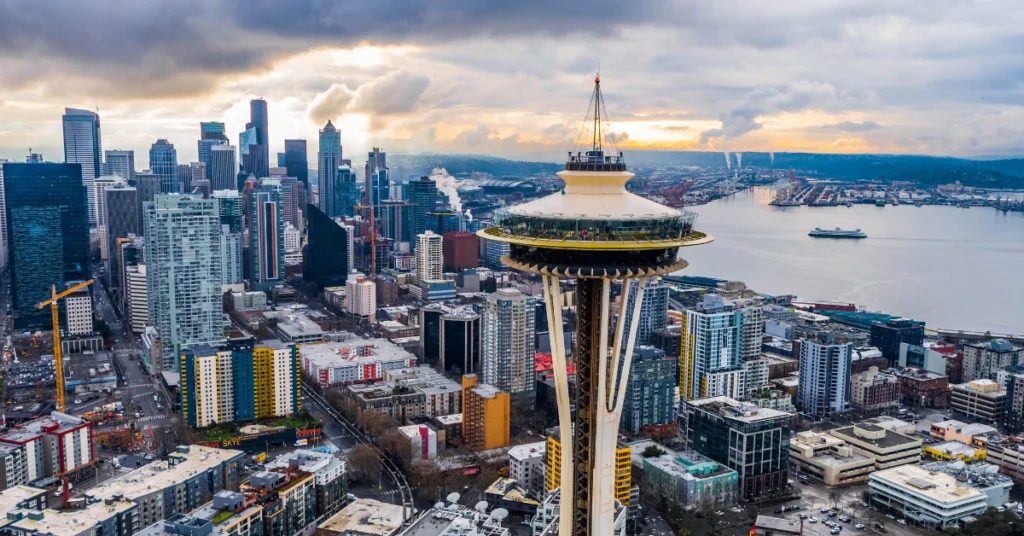
Here is how Seattle’s four seasons break down for travelers.
Summer (June to August)
This is peak season, and for good reason. July and August are the driest months of the year. You get long daylight hours, warm temperatures, and packed festival calendars. The catch is price and crowds. Hotels cost more, and popular spots fill up fast.
Fall (September to November)
Early fall is a hidden gem. September often still feels like summer, but with fewer tourists and lower hotel rates. October cools down and gets wetter, though it still offers decent sightseeing weather. Then comes November. This is officially the wettest month of the year in Seattle. If you visit in November, pack a good rain jacket and lean into indoor plans.
Winter (December to February)
Winter is cold, gray, and wet. But it is also the cheapest time to visit. Hotel prices drop and crowds thin out. This is a smart pick if you want to save money and don’t mind trading sunshine for savings.
Spring (March to May)
Spring is a mixed bag. Rain is still common early on, but it tapers off as May approaches. This is also when the city’s famous cherry blossoms and flower events start to bloom, which we will cover in detail later.
Quick Seasonal Snapshot
| Season | Weather | Crowds | Price | Best For |
| Summer (Jun-Aug) | Driest, warmest | High | High | Festivals, outdoor plans |
| Fall (Sep-Nov) | Cooling, wetter by Nov | Medium, dropping | Medium | Value seekers, fewer crowds |
| Winter (Dec-Feb) | Coldest, wettest | Low | Lowest | Budget trips, museums |
| Spring (Mar-May) | Rainy early, drying out | Low to medium | Medium | Blooms, shoulder-season deals |
The bottom line: summer wins on weather, winter wins on price, and fall and spring split the difference. Next, we will look at exactly how to time your trip around specific goals, like whales, blossoms, and hiking trails.
Best Time to Visit Seattle for Whale Watching

Most guides just tell you summer is good for whale watching. That’s not specific enough to actually plan a trip around.
Here is the real breakdown. July is the single best month for spotting orcas near Seattle. This is when Southern Resident orcas follow chinook salmon runs into the Haro Strait, near the San Juan Islands. Boats departing from Friday Harbor see strong activity during this window.
August is the most reliable month overall. You get more than 15 hours of daylight, calm seas, and tour operators reporting sighting rates around 90%. If you want the best odds with the least guesswork, August is your safest bet.
September is the insider’s pick. Crowds start to thin out, but the whales are still very much around. This month also brings large numbers of Pacific white-sided dolphins into the same waters, so you often get more than just orcas on your tour.
Quick Comparison
| Month | Why It Stands Out |
| July | Peak orca activity, salmon runs |
| August | Most reliable sightings, best daylight |
| September | Fewer crowds, dolphins plus whales |
One more thing: book your tour weeks in advance. Whale watching trips out of Friday Harbor fill up fast during peak summer months, and waiting until the last minute often means missing out entirely.
Best Time to Visit Seattle for Cherry Blossoms & Spring Blooms
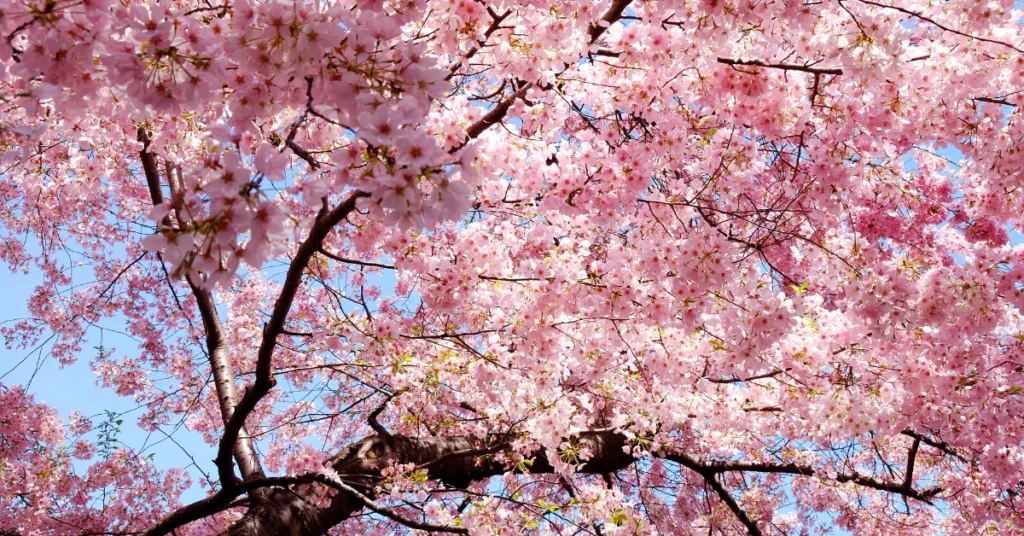
If you want the famous pink cherry blossom photos, timing matters down to the day. The University of Washington predicted peak bloom for its Quad on March 20, 2026, with the best viewing window falling between March 17 and 22. Miss that window by more than a few days, and you’ll catch bare branches or fallen petals instead of full pink canopies.
There’s a bigger trend here too. UW researchers have tracked bloom dates for years and found that peak bloom is shifting about 2 days earlier every decade. So if you’re basing your trip on older blog posts or “typical” spring dates, you may want to shift your plans a little earlier than you’d expect.
Now, about 60 minutes north of Seattle, the Skagit Valley Tulip Festival is another must-see spring stop. Here’s where you need to be careful. The official festival dates are listed as April 1 to 30. But don’t trust that alone.
In 2026, a mild winter pushed blooms far ahead of schedule. Farms like Tulip Town and RoozenGaarde started opening as early as March 20 to 28, weeks before the “official” festival even began. Travelers who booked based on the printed dates risked showing up after peak bloom had already passed.
What This Means for Your Trip
- Don’t plan around the “official” dates alone. Check bloom trackers close to your travel date.
- Build in flexibility. Blooms can shift by a week or two depending on that year’s weather.
- If you’re chasing both cherry blossoms and tulips, mid to late March is your best shot at catching them together.
The takeaway is simple. Spring blooms in and around Seattle are beautiful, but they move fast. Check current conditions before you lock in your dates, not just the calendar.
Best Time to Visit Seattle National Parks for Hiking
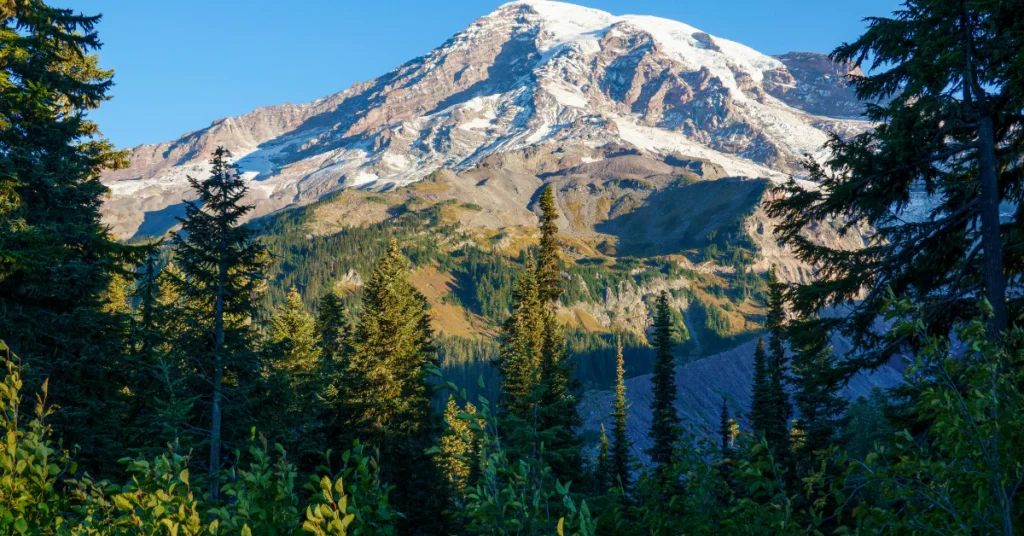
Here’s a mistake a lot of travelers make. They read “hike from June to September” somewhere, book a June trip to Mount Rainier, and then find snow blocking half the trails they wanted to see.
The problem is that “June to September” advice is too broad. Sunrise Road, which leads to some of Mount Rainier’s most scenic alpine views, has historically stayed closed until late June. In past years, the National Park Service has recorded opening dates as late as June 22 or June 28.
Why does this happen? Paradise, one of the park’s key areas, gets an average of 643 inches of snow every single year. That’s not a typo. With snowfall that heavy, it takes the park months to clear roads and trails enough for safe hiking access.
So if you show up in early June expecting full mountain access, you may be disappointed. Trails can still be snow-covered, and key roads may not be open yet.
When Should You Actually Go?
For guaranteed alpine trail access at Mount Rainier, Olympic, and North Cascades National Parks, aim for mid-July through September. By this point:
- High-elevation roads like Sunrise are reliably open
- Most snow has melted from popular trails
- You get the full range of views these parks are known for
If you’re flexible and want fewer crowds, late June can still work for lower-elevation trails, but always check current road and trail conditions before you go. Snow doesn’t follow a calendar, and neither should your hiking plans.
Best Time to Visit Seattle and Vancouver Together
Seattle and Vancouver share the same weather patterns, since they sit in the same Pacific Northwest climate zone. That means the same rule applies to both cities: July through September is your best window for dry, sunny days in either place.
Pairing the two cities makes sense once you know how to move between them. The Amtrak Cascades train connects Seattle and Vancouver in about 4 hours, with one-way tickets running between $59 and $84. It’s a comfortable option, and it skips the hassle of driving across the border.
Here’s the catch. Demand for this route has skyrocketed in recent years. If you’re planning to hop between cities, don’t wait until the last minute to book. Try to lock in your train tickets at least a month ahead of your travel dates. Waiting too long can mean higher prices or no seats left at all.
If you’re building a Pacific Northwest itinerary that includes both cities, plan your dates around summer for the best weather, and plan your train tickets early to avoid getting stuck.
The Worst Time to Visit Seattle (And Why You Should Go Anyway)
If you’re picking the least ideal time to visit, it’s November through January. Days are short, skies stay gray, and rain shows up often. Outdoor plans get tricky, and the city loses some of its summer shine.
But don’t cross winter off your list just yet. February turns that weakness into a smart budget move, thanks to Seattle Museum Month, running February 1 to 29, 2026.
Here’s how it works. Book a stay at one of more than 70 participating downtown hotels, and you get 50% off admission for up to four people at major indoor attractions. That includes big names like MoPOP, the Seattle Art Museum, and the Museum of Flight.
This is the perfect fix for bad weather. Instead of fighting the rain outdoors, you spend your days exploring world-class museums at half price. Your group saves money, and you still get a packed, memorable trip.
So while November through January may be the toughest stretch weather-wise, February flips the script. Rainy days feel a lot less painful when your museum tickets are half off.
Is October a Good Time to Visit Seattle?
The honest answer is: it depends on which half of October you pick.
Early October is a great choice. The dry summer weather hasn’t fully checked out yet, and the air turns crisp instead of cold. This is also a strong window for fall foliage, especially if you head out to North Cascades National Park, where color season hits early in the month.
Late October is a different story. This is when Pacific Northwest rain starts making its comeback, setting the stage for November, the wettest month of the year. Skies get grayer, and showers become more frequent as the month winds down.
So if you want the best of both worlds, good weather and fall colors, book your trip in the first two weeks of October. Push it any later, and you’re rolling the dice on rain.
Frequently Asked Questions
How many days do you need to visit Seattle?
Plan for at least 3 full days to cover the city’s core spots. If you want to add a day trip, like whale watching in the San Juan Islands or hiking at Mount Rainier, stretch your trip to 5 to 7 days.
What is the cheapest time to go to Seattle?
January and February are your best bets. February especially stands out thanks to Seattle Museum Month, which cuts museum admission in half when you book a participating hotel.
What is the rainy season in Seattle?
Rainy season runs from November through January, with November standing out as the single wettest month of the year.
What are the top 5 things to do in Seattle?
Start with Pike Place Market and the Space Needle. Then add whale watching, a day trip to Mount Rainier, and a stop at the UW Quad or a top museum. Don’t skip Alki Beach in West Seattle either. It’s an easy add-on that a lot of first-time visitors miss.
For the Space Needle specifically, here’s what you’ll actually pay in 2026: General Admission runs $35 to $55, the Chihuly Garden and Glass combo ticket is $74, the Fast Pass Combo is $129, and CityPASS options run $119 to $139. These are the real, current prices straight from official sources, so you can skip the guesswork you’ll find elsewhere online.
What is the number one tourist attraction in Seattle?
That’s Pike Place Market. It opened back in 1907 and now draws more than 10 million visitors every year, making it the city’s most visited spot by far.
What food is a must in Seattle?
Try Seattle-style teriyaki, first created by Toshi Kasahara back in 1976. Pike Place Chowder is another must, having won 8 national chowder titles. Round it out with local Dungeness crab and geoduck for a true taste of the Pacific Northwest.
Conclusion
Seattle doesn’t have one single “best” time to visit. It depends on what you’re chasing. Want dry, sunny days? Aim for July or August. Chasing cherry blossoms or tulips? Get there by mid to late March. Hoping to see orcas? July through September is your window. And if you’re watching your budget, February’s Museum Month makes even a rainy trip worth it. Match your dates to your goal, and you’ll get the Seattle trip you’re actually looking for.