

The best NYC trip mixes the big icons (Central Park, the Brooklyn Bridge, Times Square, the High Line) with smaller neighborhood finds that most visitors skip. You do not need to choose one or the other. A smart plan hits both in the same day.
But 2026 changes a few things. The subway now runs on OMNY, not MetroCard, and the fare rules shifted. Some “free” museum days are not actually free for out-of-state visitors, even though older blog posts still list them that way.
This guide gives you real, current picks for couples, friend groups, teens, and solo travelers, plus the exact prices, hours, and rules you need so nothing surprises you once you land.
The Core NYC Icons (What Everyone Must See)
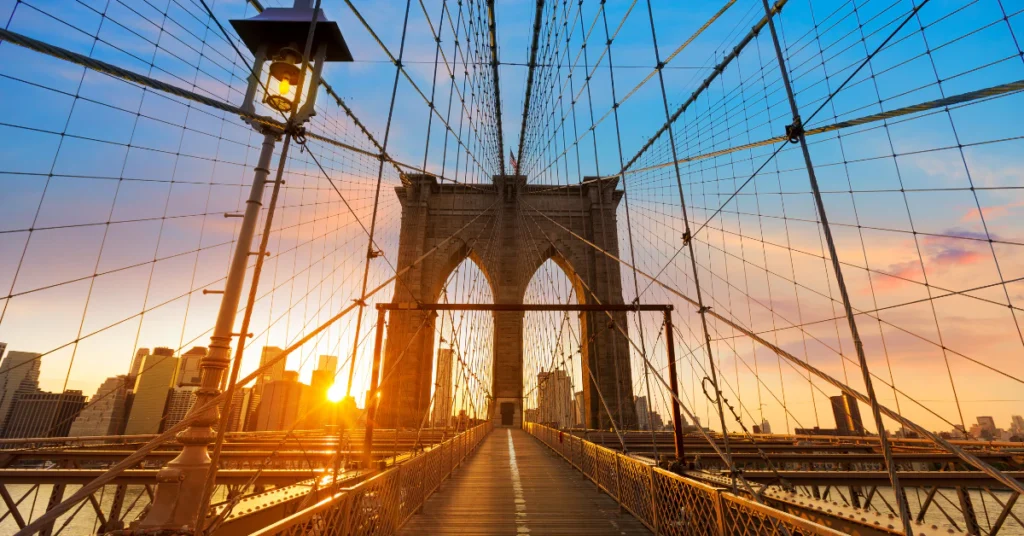
These five spots show up on every “must-do” list for a reason. They are also some of the best fun activities in NYC for adults during the day, since most of them are outdoors and easy to fit into one stretch of walking.
Central Park
Start here if you want green space in the middle of the city. Walk, rent a bike, or just find a bench near Bethesda Fountain. It costs nothing to enter, and you can spend anywhere from one hour to a full afternoon here.
The High Line to Chelsea Market
The High Line is a park built on an old elevated train track. It is free to walk and runs for about 1.5 miles. Walk it south and you will land right at Chelsea Market, a food hall packed with vendor stalls. Budget an hour for the walk and another hour to eat and browse.
The Brooklyn Bridge
Walking across the Brooklyn Bridge is free and takes about 30 to 40 minutes one way. Start from the Manhattan side in the morning to beat the crowds. Once you reach Brooklyn, you land near DUMBO, which has some of the best skyline photo spots in the city.
9/11 Memorial and Museum
The outdoor memorial plaza, with its two reflecting pools, is free every day from 8 a.m. to 8 p.m. The museum behind it is a separate, ticketed experience at around $33 for adults. Plan 30 minutes for the plaza alone, or 2 to 3 hours if you add the museum. Check current hours and ticket options on the official 9/11 Memorial site before you go.
An Observation Deck: Top of the Rock or the Empire State Building
Pick one of these for a skyline view. Top of the Rock tickets start around $45 to $47 in off-peak periods, and the deck gives you a clear view that includes the Empire State Building itself. The Empire State Building’s own observatory starts around $48.
Here is how they compare at a glance:
| Deck | Starting Price (2026) | Best For |
| Top of the Rock | 45-47 | Central Park views, daytime photos |
| Empire State Building | $48+ | Classic skyline, iconic to photograph itself |
You do not need both. Pick based on whether you want Central Park in your photo or the building itself as your subject.
NYC Museum Guide & The “Free Day” Residency Trap
Here is something a lot of travel blogs get wrong. You will see MoMA and the Met listed under “places to go in NYC for free,” and that is only half true.
MoMA runs a Free Friday from 5:30 to 8:30 p.m. The Met lets visitors pay what they wish at the door. Both sound great until you read the fine print: these deals are only for residents of New York, New Jersey, and Connecticut, and you need valid ID to prove it.
If you are visiting from out of state, you will pay full price no matter what day or time you show up. That means $30 for standard MoMA admission and the same suggested amount at the Met. Show up expecting a free night and you could end up with an awkward moment at the ticket counter.
So what can you actually get in for free? MoMA PS1, the museum’s second location in Queens, became free for everyone starting in 2026. No residency check, no ID needed. It is smaller than the main MoMA building and leans more experimental, but it is a real, no-catch free museum visit.
Here is the quick breakdown:
| Museum | “Free” Deal | Who It Actually Applies To |
| MoMA (Manhattan) | Free Friday, 5:30-8:30 p.m. | NY/NJ/CT residents with ID only |
| The Met | Pay-what-you-wish | NY/NJ/CT residents and students only |
| MoMA PS1 (Queens) | Free, always | Everyone |
If you want a genuinely free museum stop on your trip, head to MoMA PS1. If you want MoMA or the Met and you are not from the tri-state area, build the $30 ticket price into your budget from the start.
Transit Hacks & How to Walk Like a Local
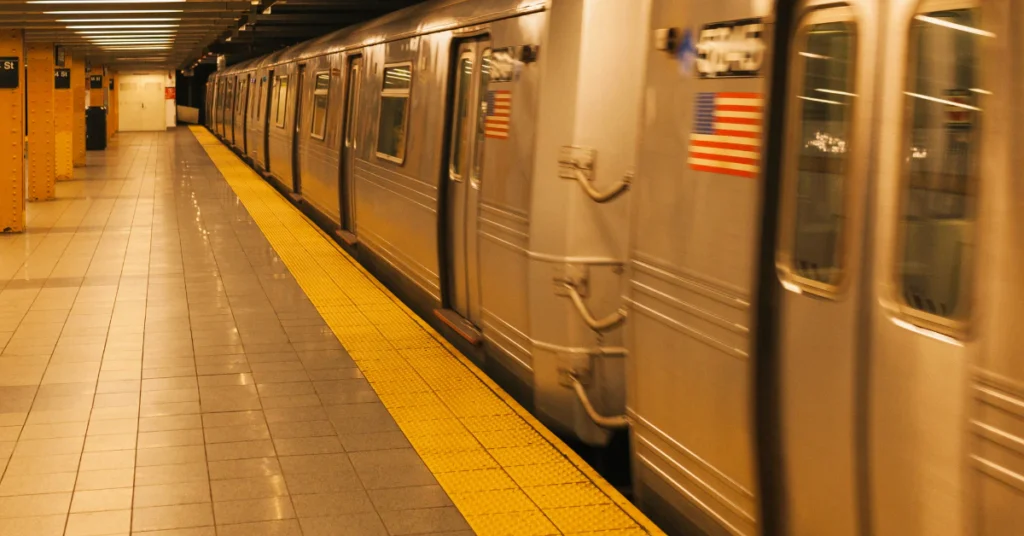
The subway changed in 2026, and if you have not been to New York in a few years, you need to know this before you land.
MetroCards Are Gone
MetroCards no longer exist. The whole system runs on OMNY now, which means you tap a contactless credit card, your phone, or an OMNY card at the turnstile. There is no more 30-day unlimited pass either.
Here is what you pay instead:
- Base fare: $3.00 per ride
- Weekly cap: $35.00, after that your rides are free for the rest of that 7-day window
The 7-day cap is the best deal going. Once you hit 12 paid rides in a rolling 7-day period, every ride after that is free until the week resets. You do not need to buy anything in advance. Just tap the same card or phone every time and the system tracks it for you. Check the MTA’s official fare page for the latest rules before your trip.
Three Ways to Blend In
New Yorkers move fast and expect you to move with them. A few small habits will save you dirty looks and make your trip smoother.
Do not walk in a wide group. Four or five people walking shoulder to shoulder blocks the whole sidewalk. Walk two by two instead, especially in busy areas like Midtown.
Do not stop short for a photo. If you want to take a picture, step to the side first. Stopping in the middle of foot traffic is one of the top complaints locals have about tourists.
Stand right, walk left on escalators. This rule matters most in subway stations. If you are just standing, stay on the right side. The left side is for people who want to walk up or down. Blocking it slows everyone behind you.
None of this is complicated. Just stay aware of the people around you and you will move through the city like you have done it before.
NYC by Group: Teens, Couples, and Friend Trips
Not every NYC trip looks the same. Here is how to plan based on who you are traveling with.
Fun Things to Do in NYC for Teens
Teens want spots that look good on camera and keep them moving. Central Park covers both. It is big enough to spend hours in, with plenty of spots for photos, and it costs nothing to get in.
Pair that with an observation deck. Top of the Rock or the Empire State Building both give teens a skyline view worth posting, and neither requires much planning beyond buying a ticket ahead of time.
For a food stop that doubles as an activity, Chelsea Market works well. It is a mix of food stalls and small shops under one roof, so a group can wander, snack, and regroup without one person waiting on the rest.
Fun Activities in NYC for Couples
Couples get more out of timing than location. The same spots everyone visits look different at the right hour.
Walk the Brooklyn Bridge in the early morning or late afternoon, when the crowds thin out and the light is better for photos. From the Brooklyn side, you also get a clear skyline view without fighting through groups.
For a classic date, head up an observation deck near sunset. Top of the Rock at golden hour turns a simple ticket into a real moment, since you catch the skyline changing color as the sun drops.
A slow lap through Central Park works as a low-key date too. No ticket, no time limit, just a walk.
Things to Do in NYC with Friends
Groups need variety, and NYC’s neighborhoods make that easy. Instead of sticking to one area, split your day between a few.
Start on the High Line and walk it down to Chelsea Market. This gives your group open-air walking time plus a food hall where everyone can pick something different to eat. It is one of the better fun activities in NYC for adults because it needs zero planning once you arrive. Just show up and walk.
Cross the Brooklyn Bridge on another day and spend time in DUMBO once you reach the Brooklyn side. It is a solid half-day outing for a group, mixing a walk, photo spots, and a different neighborhood feel than Manhattan.
If your group wants a museum stop, remember the residency rules covered earlier. MoMA PS1 in Queens is free for everyone, which makes it a smart group pick if you do not want to split the bill on $30 tickets each.
On lodging: Groups and young adults splitting a hotel room should expect mid-range NYC hotels to run about $250 to $350 a night in 2026. Splitting that across three or four people brings the per-person cost down fast, so a shared room beats separate bookings almost every time.
On tickets: If your group plans to hit several paid attractions, like an observation deck, a museum, and the 9/11 Memorial Museum, look into a bundled attraction pass before buying tickets one at a time. Passes like CityPASS group several tickets into one purchase, often at a lower combined price than paying for each stop separately. This is one of the easiest ways to avoid the overpaying mistake that catches a lot of first-time groups off guard.
Broadway on a Budget & Same-Day Plans
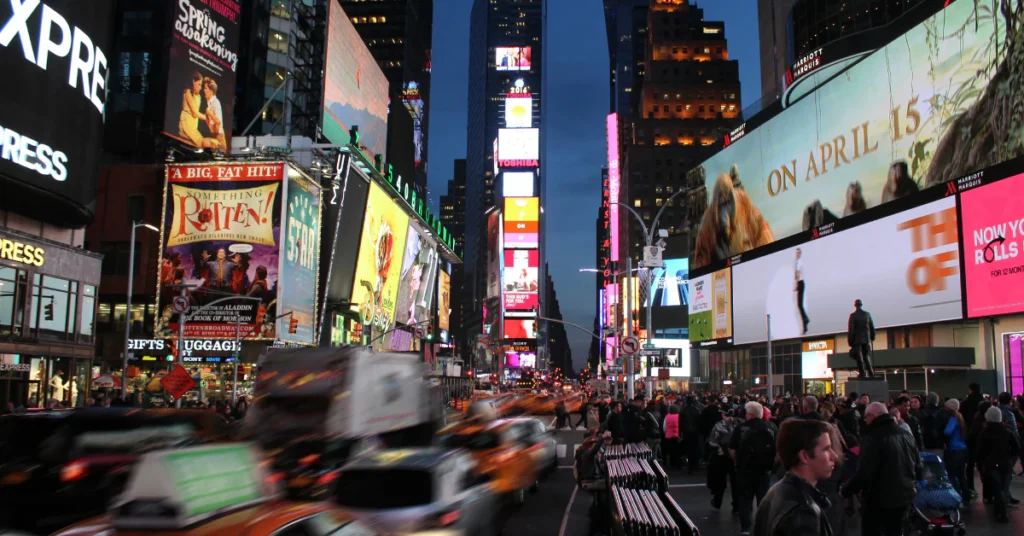
If you did not book a Broadway show months ago, you have not missed out. Full-price tickets can run $150 or more, but same-day options bring that number way down, sometimes to a tenth of the price.
Here are your three options, all usable the morning of a show.
Digital Lotteries
Many shows run a digital lottery you can enter from your phone, often opening the same morning. Prices land anywhere from $10 to $65 depending on the show. Winners usually find out within a few hours, so you can enter in the morning and know your plans for the night before lunch.
Rush Tickets
Rush tickets are sold in person at the theater’s box office, usually starting around opening hours in the morning. Prices typically run $30 to $50. You need to show up early, since these are first-come, first-served and a popular show can sell out fast. Bring ID, since some rush tickets are student-only.
The TKTS Booth
If the lottery and rush tickets do not work out, the TKTS booth in Times Square is your backup. It sells same-day tickets at 20% to 50% off face value for a rotating list of shows. You will not know exactly which shows are available until you check that day, so this works best if you are flexible about what you see.
Which One Should You Try First?
| Method | Price Range | Best For |
| Digital lottery | 10-65 | Lowest possible price, some luck involved |
| Rush tickets | 30-50 | Guaranteed if you arrive early enough |
| TKTS booth | 20-50% off face value | Backup plan, flexible on show choice |
Try the lottery first since it costs nothing to enter. If you do not win, head to rush tickets early. If both fall through, TKTS is still a solid discount and a reliable fallback for a spontaneous Broadway night.
Hidden Gems & The Vessel Update
Before you add the Vessel to your Hudson Yards stop, you need an update. A lot of older travel posts still describe it as a fully climbable structure, and that is no longer accurate.
What’s Actually Open at the Vessel Right Now
The Vessel closed for over three years before reopening in March 2026. Here is what changed:
- The first two levels are fully open to walk
- Upper levels now have steel mesh barriers installed for safety
- The top floor remains closed to the public with no reopening date set
So you can still visit and walk part of the structure, but do not plan your whole Hudson Yards stop around reaching the top. If a photo from the very top level was the goal, that is off the table for now.
Finding Real Hidden Gems
Most “hidden gems” lists just repeat the same well-known spots everyone already visits. A true hidden gem means stepping outside Manhattan entirely.
Queens is the easiest place to start. It sits right next to Manhattan but sees a fraction of the tourist traffic, which means shorter lines and a more local feel. MoMA PS1, covered earlier as a genuinely free museum, is a good anchor point for a Queens afternoon since it is free and gives you a reason to explore the neighborhood around it.
If you are looking to get off the standard tourist path, treat Queens as a half-day add-on to your trip rather than an afterthought. It will not feel like the version of New York you see in every other blog post, and that is the point.
Realistic NYC Trip Budgeting
A lot of travelers land in New York having underestimated their total cost by 1.5 to 2 times what they actually planned for. That gap usually comes from adding up museum tickets, taxis, and meals one at a time without seeing the full picture first.
Here is what a 5-day trip actually costs per person in 2026, not including flights.
| Tier | 5-Day Cost (Per Person) | What You Get |
| Budget | 1,250-1,750 | Budget hotel or hostel, OMNY subway rides, street food, mostly free attractions |
| Mid-range | 2,500-3,750 | Mid-range hotel (250-350/night), sit-down meals, a mix of free and paid attractions, maybe one Broadway show |
| Luxury | $4,000+ | Upscale hotel, taxis instead of subway, full-price Broadway, fine dining |
What Each Tier Actually Looks Like
Budget travelers lean on the subway’s $35 weekly fare cap instead of taxis, stick to street food and casual spots, and build their itinerary around free stops like Central Park, the High Line, and MoMA PS1. Paid attractions get limited to one or two must-sees, like a single observation deck.
Mid-range travelers stay in a standard hotel instead of a hostel, eat at sit-down restaurants for at least a few meals, and add in paid extras like the 9/11 Memorial Museum or a Broadway show bought through rush tickets or a lottery instead of full price.
Luxury travelers are not watching the subway cap or the lottery clock. Taxis replace transit, Broadway gets booked at face value, and meals skew toward higher-end restaurants instead of food halls.
Why the Gap Happens
The jump from budget to mid-range usually comes down to two things: hotel choice and how many paid attractions you add. A $250 to $350 a night hotel alone can double your trip cost compared to a hostel, and each $30 to $50 attraction ticket adds up fast once you are doing two or three a day.
Pick your tier before you land, not after. Knowing which bucket you are in ahead of time makes it much easier to decide where to spend and where to stick to the free stuff.
Frequently Asked Questions
What is the coolest thing to do in NYC?
There is no single right answer, but the strongest pick is riding an observation deck at golden hour. Top of the Rock or the Empire State Building both deliver a skyline view that photos simply cannot match on a phone screen, and timing your visit near sunset makes it even better.
Is $2,000 enough for 5 days in New York?
Yes. That amount lands you in the budget-to-low-mid-range tier for a 5-day trip, excluding flights. Expect a budget hotel or hostel, OMNY subway rides instead of taxis, mostly free attractions, and one or two paid extras.
Is $1,000 enough for 3 days in New York?
Yes, but you will need to stay in the budget tier the whole trip. That means budget lodging, subway transit, free attractions like Central Park and the High Line, and limited spending on paid tickets.
What are some fun things to do in New York City today?
Check the TKTS booth or a Broadway digital lottery for a same-day show, ride the Staten Island Ferry for a free Statue of Liberty view, and walk the High Line. None of these need advance booking.
What are some hidden gems in NYC?
Skip the lists that just repeat Central Park and Times Square. Head into Queens for a true change of pace, with MoMA PS1 as a solid, genuinely free anchor point for the afternoon.
What are three amazing things you can do in New York?
Walk the Brooklyn Bridge into DUMBO, ride up Top of the Rock, and walk the High Line down into Chelsea Market. All three are repeatable, low-hassle, and deliver real payoff.
What are the top 5 attractions in New York?
Central Park, Times Square, the Statue of Liberty, the Brooklyn Bridge, and an observation deck round out the list most consistently.
What to do in NYC that’s not touristy?
Spend part of your trip in the outer boroughs instead of staying in Manhattan the whole time. Queens in particular gives you a different pace and far fewer crowds.
What should I do in New York for 3 days?
Day 1: Midtown, including an observation deck and Times Square. Day 2: Downtown, covering the Statue of Liberty, the 9/11 Memorial, and the Brooklyn Bridge walk into DUMBO. Day 3: Central Park, paired with a museum stop and the High Line into Chelsea Market.
Final Thoughts
New York rewards travelers who plan around current facts, not old blog posts. The subway runs differently than it did a few years back, some “free” museum days are not free for visitors, and the Vessel does not work the way it used to. Build your trip around the real 2026 rules, pick your budget tier before you land, and mix the big icons with a few less obvious stops. That combination is what actually makes a NYC trip feel complete.