
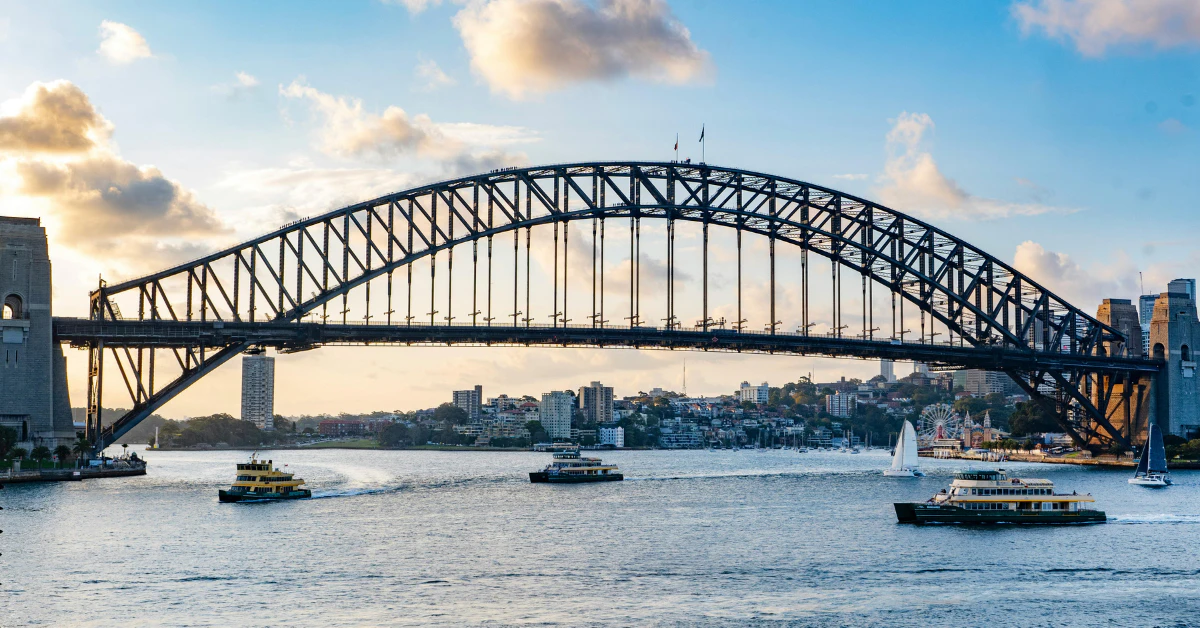
Planning a trip to Sydney, Australia? Here’s your quick answer: the top 5 things to do are touring the Sydney Opera House, walking or climbing the Sydney Harbour Bridge, hiking the Bondi to Coogee coastal walk, exploring the historic Rocks district, and taking the ferry to Manly.
One quick note before we dive in. If you searched for things to do in Sydney, Nova Scotia, this guide isn’t for you. That Sydney is a small city in Cape Breton, Canada, on the other side of the world. This guide covers Sydney, Australia, the harbour city with the famous Opera House and beaches.
Now, back to the good stuff. Sydney pulls in well over 10 million visitors a year, and it’s easy to see why. You’ve got world-class beaches a short bus ride from the city center, a harbour that looks like a postcard from every angle, and enough neighborhoods, food, and day trips to fill a week without repeating yourself.
Whether you have three days or ten, this guide will help you build a trip that feels real, not rushed. Let’s get into it.
The “Must-Do” Icons: Sydney’s Non-Negotiable Top 5
Before you get into day trips and hidden gems, you need the classics. These five activities show up on every local’s list for a reason. Skip them and you’ll regret it. Here’s what to know about each one.
Sydney Opera House
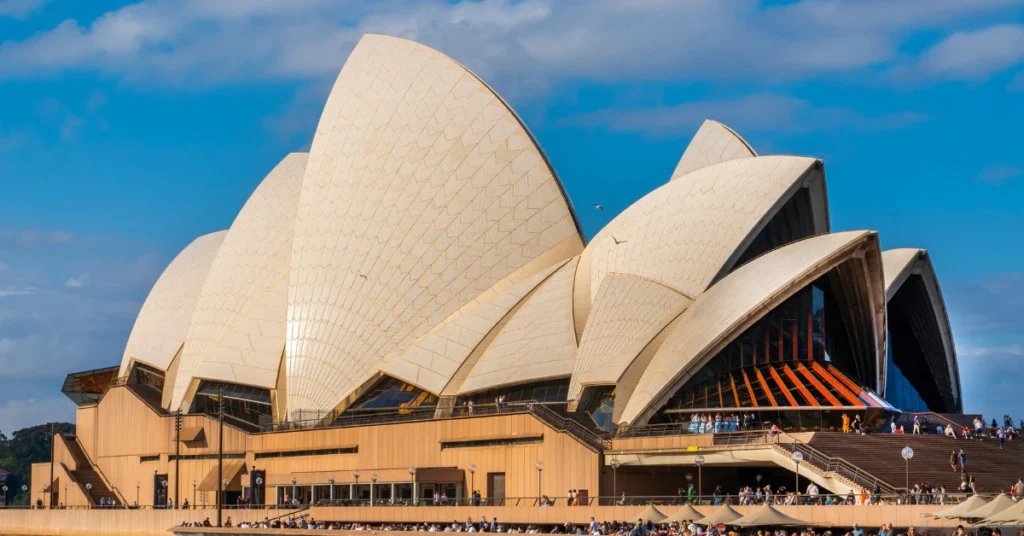
This building is the symbol of Sydney, and seeing it up close is non-negotiable. You can admire the sails from the harbour for free, but a guided tour gets you inside.
The standard tour runs about an hour and costs $50 AUD if you book online in advance (prices go up slightly if you buy on the day). A guide walks you through the building’s story, including the drama behind its design, and shows you spaces most visitors never see.
If you can, time your visit around a show. The Opera House hosts opera, ballet, theater, comedy, and concerts, so “opera house” doesn’t mean you’re stuck watching opera. Even if a full tour doesn’t fit your schedule, the forecourt and public areas are free to walk through any time, so you can still get that iconic photo without spending a cent.
Good to know: Book your tour through the official Sydney Opera House website to lock in the best rate and avoid third-party markups.
Sydney Harbour Bridge
Locals call it “the Coathanger,” and once you see it, you’ll understand why. This is one of the most photographed bridges in the world, and you don’t need a tour or a ticket to enjoy the basics.
Simply walking across the bridge is free. The pedestrian path takes about 30 minutes each way and gives you views of the Opera House, the harbour, and the city skyline the entire way. Start from the city side near Circular Quay and walk toward Milsons Point on the north side, or do it in reverse.
Along the way, you’ll get a real sense of the bridge’s scale. It’s a massive steel structure, and walking underneath the arches puts that size into perspective in a way photos never do.
We’ll cover the paid bridge experiences, including the famous climb, in the next section. For now, know that the free walk alone is worth doing, no booking required.
Bondi to Coogee Coastal Walk
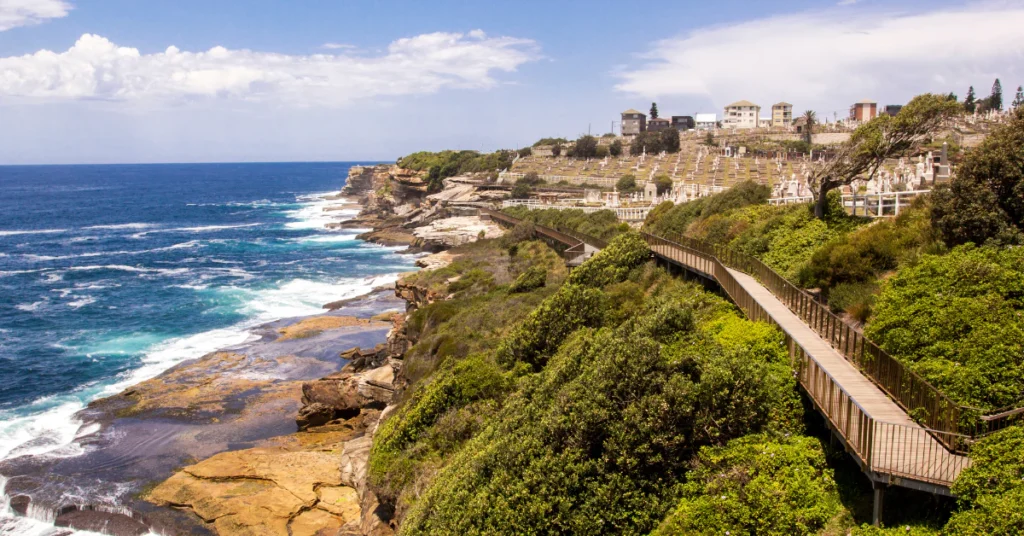
If you only do one outdoor activity in Sydney, make it this one. The Bondi to Coogee walk is a clifftop coastal path that stretches about 6 kilometers (roughly 3.7 miles) along Sydney’s eastern beaches.
Plan for 2 to 3 hours if you go at a relaxed pace and stop for photos, which you will want to do constantly. The path is rated easy to medium, so most people in reasonable shape can manage it without trouble.
Here’s what you’ll pass along the way:
- Tamarama Beach, a small, dramatic cove
- Bronte Beach, a great spot to stop for coffee
- Waverley Cemetery, which has some of the best ocean views in the city
- Clovelly Beach, known for calm water and an ocean pool
- Gordons Bay, popular with snorkelers
- Coogee Beach, a wide, relaxed beach to finish your walk
You can start at either end. Many people prefer starting in Bondi so Coogee feels like a reward at the finish, with cafes and a laid-back vibe waiting for you.
A few tips: bring water, wear sunscreen, and pack comfortable shoes. The path is partly paved and partly dirt track, so sneakers work better than sandals. If you want a swim break, several spots along the way, like Clovelly’s ocean pool, are perfect for a quick dip.
Weekdays are quieter than weekends, especially in the morning. If you’re visiting in warmer months, an early start helps you beat both the heat and the crowds.
The Rocks
This is Sydney’s oldest neighborhood, and it feels like it. Narrow lanes, old sandstone buildings, and a mix of history and modern shops and restaurants make The Rocks worth at least half a day.
The area sits right at the base of the Harbour Bridge, so it pairs naturally with your bridge walk. Wander the back streets, browse the weekend markets if your visit lines up with a Saturday or Sunday, and stop into one of the historic pubs for a drink.
What makes The Rocks special isn’t one single attraction. It’s the atmosphere. You’re walking on streets that trace back to the earliest days of the city, and the mix of old buildings with harbour views makes it one of the most photogenic parts of Sydney.
If you want context on the neighborhood’s history, a guided walking tour is a solid option. But you can also explore on your own with no plan and still have a great time. Give yourself at least two or three hours here, more if you plan to eat or shop.
Blue Mountains Day Trip
Sydney isn’t just beaches and harbour views. About an hour outside the city, the Blue Mountains offer a completely different kind of beauty: dramatic cliffs, deep valleys, and eucalyptus forests that give the mountains their blue-tinted haze.
This is a full day out, not a quick stop. Most visitors either drive, take the train to towns like Katoomba, or join a guided tour that handles the transport and logistics for them.
The star attraction is the Three Sisters, a striking rock formation with deep meaning in Aboriginal culture. Beyond the views, many visitors also add a stop at Scenic World, where cable cars and a railway take you down into the valley for a closer look at the rainforest and waterfalls.
If you’re short on time in Sydney, you might be tempted to skip this. Don’t. The contrast between the coastal city and this wild, mountain landscape is part of what makes a Sydney trip feel complete.
Quick comparison of these five essentials:
| Activity | Time Needed | Cost |
| Opera House tour | About 1 hour | From $50 AUD (pre-booked) |
| Harbour Bridge walk | About 30 min each way | Free |
| Bondi to Coogee walk | 2 to 3 hours | Free |
| The Rocks | 2+ hours | Free to explore |
| Blue Mountains day trip | Full day | Varies by tour or transport choice |
These five give you the heart of Sydney. Everything else in this guide builds on top of this foundation, whether that’s a bigger budget splurge, a free local secret, or something perfect for a specific season.
Getting Around: The Opal Card Hacks Nobody Tells You
Sydney’s public transport runs on something called the Opal card. You can also just tap your regular credit or debit card on buses, trains, ferries, and light rail. No need to buy a special ticket every time.
Here’s the part most blogs skip: there’s a weekly spending cap.
The $50 Cap That Changes Everything
Once an adult spends $50 AUD on Opal travel in a week (Monday to Sunday), every trip after that is free for the rest of the week. That’s it. No extra steps, no app to activate, it just happens automatically.
If you’re in Sydney for five or more days and using transport daily, you’ll likely hit that $50 cap by midweek. After that, your ferries, trains, and buses to Bondi, Manly, or anywhere else are basically free. This single fact can save a longer trip a real chunk of change, and none of the big guides mention it.
There’s also a lower daily cap on weekends and public holidays (around $9.65 AUD), so weekend sightseeing costs even less.
Don’t Forget to Tap Off
This is the single most common mistake visitors make. You have to tap your card both when you get on and when you get off. Skip the tap off, and the system charges you the maximum possible fare for that trip, not your real fare.
Make it a habit: tap on, tap off, every single time, on every mode of transport. It takes two seconds and saves you real money.
The Manly Ferry: Expect Some Price Wobble
The ferry to Manly is one of the best things you’ll do in Sydney. It’s basically a harbour cruise for the price of a bus ride, cruising past the Opera House and under the bridge on the way.
Here’s an honest heads-up: online sources list the one-way fare anywhere from about $8 to $10 AUD. Prices shift slightly over time, and plenty of older blog posts quote numbers that are no longer accurate. Don’t stress over getting an exact figure from an article. Just check the current fare in the Opal app or on the Transport for NSW website before you go, and budget around $8 to $10 AUD per trip to be safe.
One more tip: make sure you’re boarding the public Opal-friendly ferry, not a private fast ferry service, which costs more and won’t count toward your Opal cap.
Things to Do in Sydney for Free (Without Feeling Cheap)
After paying for flights and a hotel, your budget probably needs a break. Good news: some of the best things to do in Sydney don’t cost a cent. You’re not settling for less here. These are genuinely some of the top experiences in the city, and they just happen to be free.
Walk the Opera House Steps and Foyers
You don’t need a $50 tour ticket to experience the Sydney Opera House up close. The public foyers and the famous Monumental Steps are open to everyone, free of charge, day or night.
Walk right up to the building. Touch the tiles. Sit on the steps and watch the harbour traffic go by. You can even wander through the public foyer areas and get a sense of the building’s interior without booking a single thing. If a show happens to be starting while you’re there, you’ll catch some of that buzzing pre-show energy too, all without spending anything.
Hike the Bondi to Coogee Coastal Walk
We covered this one already, but it’s worth repeating here because it’s genuinely one of the best free activities in the entire city, not just in Sydney. The full walk is about 6 kilometers and takes 2 to 3 hours, and it costs nothing beyond your sneakers and some sunscreen.
You’ll pass beach after beach, a clifftop cemetery with ocean views, and an ocean pool at Clovelly. Pack a water bottle and take your time. This single walk could fill a whole morning or afternoon of your trip and leave you with better photos than most paid tours.
Walk Across the Harbour Bridge
Also free, also already covered, but it deserves a spot on this list too. Walking the bridge’s pedestrian path takes about 30 minutes each way and gives you some of the best views in the city. No ticket, no booking, no time slot. Just show up and walk.
Explore the Royal Botanic Garden
Right next to the Opera House and the harbour sits the Royal Botanic Garden, and entry is completely free. This isn’t a small city park. It’s a huge, beautifully kept green space with harbour views built right in.
Spend an hour or spend half a day. Walk the paths, find a shady spot, and enjoy the quiet after a busy morning of sightseeing. Many visitors use this garden as their route toward Mrs Macquarie’s Chair, a famous lookout point with views of both the Opera House and the Harbour Bridge, also free to visit.
Why This Matters for Your Trip Budget
Here’s the thing about Sydney. Flights are long and often expensive. Hotels can add up fast. And once you add BridgeClimb or a fancy harbour cruise, your daily spend can climb quickly too.
That’s exactly why these free activities matter so much. You can build an entire day, Opera House steps in the morning, a walk through the Botanic Garden, then the Bondi to Coogee hike in the afternoon, and spend nothing beyond what you already paid to get here.
Mix days like this with one or two paid splurges, like a Harbour BridgeMuseum visit or an Opera House tour, and your trip stays balanced. You get the big-ticket memories without draining your wallet on every single day.
Quick Free Activities Recap
- Opera House public foyers and steps: Free, any time
- Bondi to Coogee coastal walk: Free, 2 to 3 hours
- Harbour Bridge pedestrian walk: Free, about 30 minutes each way
- Royal Botanic Garden: Free entry, open daily
- Mrs Macquarie’s Chair: Free lookout point inside the garden
Budget travel in Sydney isn’t about missing out. It’s about knowing which experiences are already free, so you can save your money for the ones that aren’t.
Things to Do in Sydney with Kids

Traveling with kids means thinking differently about your itinerary. Long walks and fancy harbour tours are great for adults, but kids need things that keep them moving, entertained, and not melting down by 2pm. Sydney actually does this really well.
Taronga Zoo
This is the obvious first stop, and for good reason. Taronga Zoo sits right on Sydney Harbour, and the setting alone is worth the trip. Kids get to see animals up close while parents get harbour views in the background.
The official adult gate price is $57.00 AUD. Booking online in advance usually gets you a slightly better rate, so check before you go rather than just showing up and paying at the gate.
Getting there is part of the fun. Most families take the ferry across the harbour, which turns the trip into a mini boat adventure before you even reach the animals. Kids tend to love this part as much as the zoo itself.
Plan for at least half a day here. The zoo is spread out, with plenty of walking between exhibits, so pace yourselves and take breaks when needed.
Luna Park
If your kids want rides, lights, and classic fairground fun, head to Luna Park. It sits right on the harbour, with that famous giant smiling face as the entrance, which is honestly a great photo moment on its own.
This is a good half-day stop, shorter than the zoo, and easy to pair with a harbour walk or ferry ride either before or after. It’s a solid option if you need a break from beaches and nature walks and want something that feels more like a fun fair.
Beaches with Calmer Water
Not every Sydney beach is right for young kids. Spots like Bondi and Bronte can get decent waves, which are great for older kids and surfers but a bit much for toddlers or nervous swimmers.
Instead, head to Shelly Beach, near Manly. It’s more of a sheltered cove than an open beach, with calmer, clearer water that’s much easier for young children to enjoy. It’s about a 15-minute walk from Manly Beach, so you can easily combine both in one day, letting older kids catch some waves at Manly while younger ones splash around safely at Shelly.
A Simple One-Day Family Plan
Here’s how you might string these together:
- Morning: Ferry to Manly, playtime at Shelly Beach
- Afternoon: Ferry back toward the city, stop at Luna Park for an hour or two of rides
- Next day: Full day at Taronga Zoo, taking the ferry across and back
This keeps transport simple, since ferries are part of the fun rather than just a way to get around. It also balances active beach time with structured attractions, which helps keep kids engaged without wearing everyone out.
A Few Practical Tips
- Pack sunscreen and hats. Sydney sun is strong, even on cooler days.
- Bring swimwear for both Shelly Beach and any ferry trips, since spontaneous dips happen.
- Book Taronga Zoo tickets online ahead of time to save a bit of money and skip the gate line.
Seasonal Guide: Visiting in August, September, and November
Sydney’s seasons run opposite to the US, which trips up a lot of travelers. Here’s what to actually expect if you’re visiting in August, September, or November, month by month.
Visiting Sydney in August
Here’s the big one people get wrong: August in Sydney is still late winter. If you’re picturing sunny beach days, pack a jacket instead.
Average temperatures sit between 9°C and 19°C (roughly 48°F to 66°F). Mornings and evenings can feel cold, especially near the water, so bring layers. A light jacket or sweater is a must, not an option.
The good news is that August is quieter than peak season. Fewer crowds at major attractions means shorter lines and a bit more breathing room at places like the Opera House or the Harbour Bridge walk. It’s also a great time for indoor activities like museums, or cozy spots like a brewery stop on the Inner West Ale Trail.
One big perk of August: whale watching season is in full swing. Humpback whales migrate past Sydney roughly from May through November, and August sits right in the middle of that window. If seeing whales from the water is on your list, this is a solid month to book a cruise.
Visiting Sydney in September
September is when Sydney starts to shine. This month marks the start of spring, and the weather shift is noticeable. Expect average temperatures between 12°C and 22°C (about 54°F to 72°F), which feels much more comfortable than August.
Days get longer, rain tends to ease up, and the city starts to feel more alive again after winter. This makes September one of the best all-around months to visit if you want good weather without the bigger crowds and higher prices of peak summer.
It’s a great time for the Bondi to Coogee walk, since the weather is pleasant enough for hours outdoors but not yet uncomfortably hot. Pack layers still, since mornings can be cool, but you won’t need heavy winter gear anymore.
Whale watching season is still running strong in September too, so it remains a great window for a harbour cruise if you want a chance at spotting one.
Visiting Sydney in November
By November, Sydney is sliding into warmer territory, closer to full summer temperatures, but without the peak-season crowds that hit in December and January. This makes it a smart pick if you want warm weather without fighting tourist traffic.
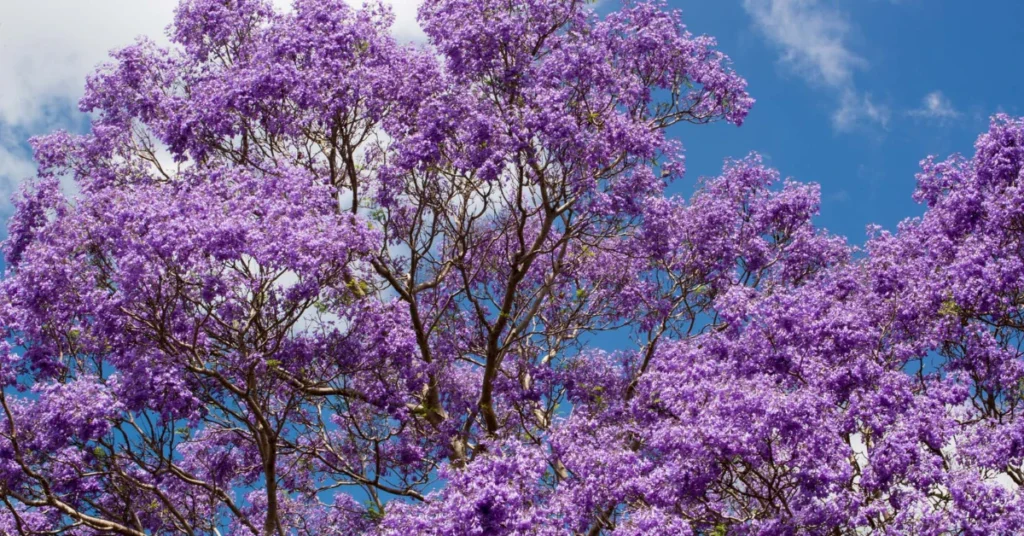
November also brings one of Sydney’s most beautiful natural events: the jacaranda bloom. Purple jacaranda trees burst into color across the city roughly from mid-October through late November, and one of the best spots to see them is McDougall Street in Kirribilli. The whole street turns a soft shade of purple, and it’s become a popular photo spot for locals and visitors alike.
If your trip lines up with this bloom, it’s worth building time into your schedule to visit. It only lasts a few weeks each year, so timing really matters.
Whale watching season also wraps up in November, so it’s your last real chance of the year to catch the migration if you’ve been holding off.
Quick Seasonal Snapshot
| Month | Temp Range | What to Know |
| August | 9°C–19°C (48°F–66°F) | Still winter, pack layers, whale season is on |
| September | 12°C–22°C (54°F–72°F) | Best balance of mild weather and fewer crowds |
| November | Warming toward summer | Jacaranda bloom (McDougall St), last chance for whales |
Where to Stay & Dining Survival Tips
Picking the right base and knowing how Sydney dining actually works can save you a lot of frustration. Here’s what you need to know.
Where to Stay
You don’t need to overthink location in Sydney. Staying central means you’re close to the Opera House, the Harbour Bridge, and The Rocks, with easy ferry and train access to everything else.
Two solid options worth knowing about:
Pullman Sydney Hyde Park sits in a quieter part of the city, right next to Hyde Park. It’s still walking distance to the main attractions, but you get a bit more peace away from the busiest tourist strips.
The Porter House Hotel Sydney is another reliable central base, close to Hyde Park as well, putting you within easy reach of Circular Quay, the Rocks, and Darling Harbour on foot.
Both work well as a home base if you’re planning to explore mostly on foot and by ferry, without needing a car. Staying central also means less time spent on transport and more time actually doing things, which matters when you’re trying to pack a lot into a short trip.
The Dining Reality Nobody Warns You About
Here’s something that catches a lot of visitors off guard: Sydney restaurants book up fast.
If you’re picturing a relaxed walk-up to a nice restaurant at 7pm, think again. Good restaurants, especially anywhere near the harbour or in trendy neighborhoods, fill their prime-time tables days or even weeks in advance. Showing up without a reservation and expecting a table at peak dinner hour is a common mistake, and it usually ends in disappointment or a long wait.
This isn’t unique to one or two fancy spots. It’s a pattern across the city. Locals know it well enough that getting a 7pm table anywhere decent without a booking is basically seen as a long shot.
How to Avoid the Frustration
A few simple habits will save your evenings:
- Book ahead, ideally a few days out, especially for dinner at anywhere popular or highly rated.
- Eat earlier or later than peak time. A 5:30pm or 8:30pm booking is often much easier to land than the classic 7pm slot.
- Have a backup plan. If you didn’t book and can’t get a table somewhere specific, look toward casual spots or food courts in busy areas like Darling Harbour, which tend to have more walk-in flexibility.
- Book as soon as your dates are set, not the day before. Popular places can fill up well in advance, especially on weekends.
Pulling It Together
Pick a central hotel like Pullman Sydney Hyde Park or The Porter House Hotel Sydney, and you’ll cut down on transit time between your sightseeing and your bed each night. Then treat dinner reservations the same way you’d treat booking a tour or buying tickets to an attraction: plan ahead, don’t leave it to chance.
Get these two things right, where you sleep and how you plan your meals, and the rest of your Sydney trip runs a lot smoother.
Frequently Asked Questions
What should I not miss in Sydney?
Five things top every list, and for good reason: the Sydney Opera House, the Sydney Harbour Bridge, the Bondi to Coogee coastal walk, The Rocks, and a ferry ride to Manly. These cover the harbour, the coast, and the history that makes Sydney what it is. If your time is tight, build your trip around these first.
Is 3 days enough to visit Sydney?
Yes, but just barely. Three days gives you enough time to hit the core attractions, the Opera House, the Harbour Bridge, the Bondi to Coogee walk, and The Rocks, plus one full day trip to the Blue Mountains. If you want to add Manly, Taronga Zoo, or extra neighborhoods like Newtown, you’ll feel rushed. Five days or more lets you slow down and actually enjoy each stop instead of racing through it.
What are the top 5 tourist attractions in Sydney?
Based on what consistently makes every list: the Sydney Opera House, the Sydney Harbour Bridge, Bondi Beach and the coastal walk, The Rocks, and the Blue Mountains. These five show up again and again because they cover Sydney’s icons, its coastline, its history, and its nature, all in one trip.
What are some cool activities to do in Sydney?
Beyond the basics, a few standout options:
- BridgeClimb, if you want the big splurge and don’t mind the no-camera rule
- The Sydney Harbour BridgeMuseum, for similar views at a much lower price, with your camera in hand
- A whale watching cruise, if you’re visiting between May and November
- The Inner West Ale Trail through Newtown and Marrickville, for craft beer and local vibes
- Taronga Zoo, especially if you’re traveling with kids
Mix a few of these with the classics and you’ll have a trip that feels well-rounded, not just a checklist of photos.
What is Sydney’s best kept secret?
There’s no single secret spot that everyone agrees on, so be wary of any guide that claims one definitive answer. What locals do point to consistently is this: Sydney has over 100 beaches, and most visitors only ever see Bondi. Branching out to quieter stretches of coastline, or spots like Shelly Beach near Manly, gives you a side of the city most tourists miss entirely.
The newly reopened Harbour BridgeMuseum is also a bit of an under-the-radar pick. Most visitors don’t know it exists, let alone that it reopened under a new name in 2026, which makes it feel like a genuine find.
Is Sydney expensive to visit?
Yes, compared to a lot of destinations, Sydney isn’t cheap. A BridgeClimb ticket alone runs $354 to $384 AUD, and hotel rooms in central areas commonly cost around $250 AUD a night.
But it doesn’t have to drain your budget. Some of the best things to do, the Bondi to Coogee walk, walking the Harbour Bridge, the Opera House steps, and the Royal Botanic Garden, are completely free.
Transport helps too. The Opal weekly cap sits at $50 AUD for adults. Once you hit that cap, every ride for the rest of the week is free. If you’re staying five or more days and using public transport daily, you’ll likely hit that cap by midweek, which makes getting around essentially free for the back half of your trip.
The real trick is balance. Mix in one or two bigger splurges, like an Opera House tour or the BridgeMuseum, with the free walks and gardens that cost nothing. Do that, and Sydney feels a lot more affordable than the price tag on its biggest attractions might suggest.