
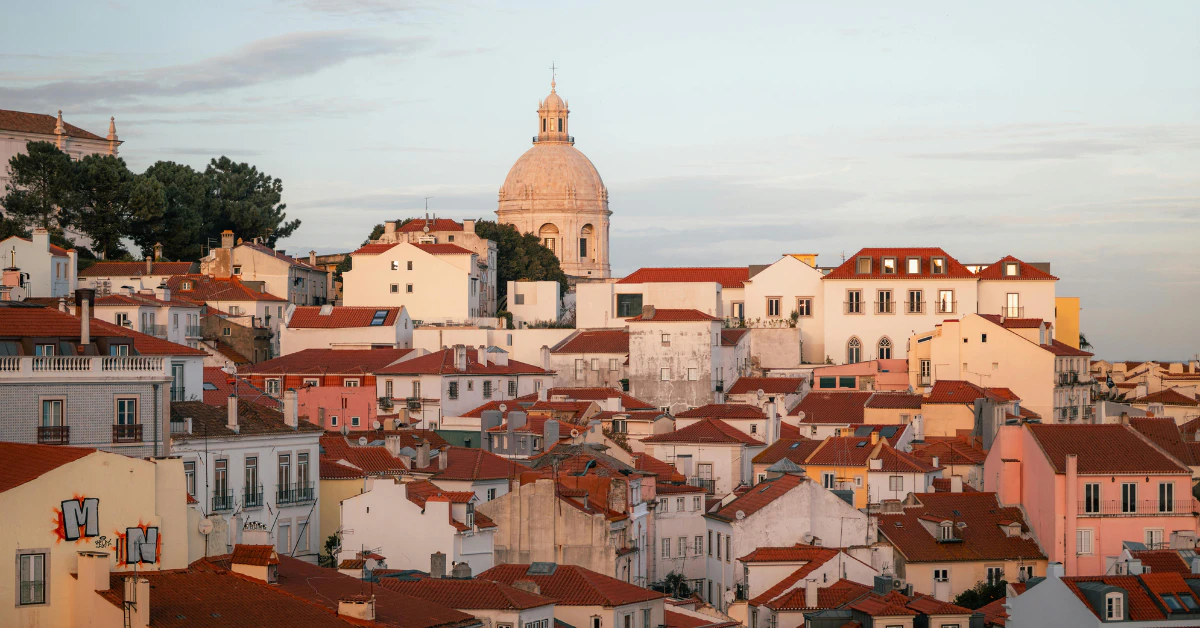
Lisbon rewards visitors with hilltop castles, historic trams, and custard tarts baked from a 200-year-old secret recipe. The top things to do in Lisbon include exploring Belém’s monuments, riding Tram 28 through Alfama, watching sunset from Miradouro das Portas do Sol, eating at Time Out Market, and day-tripping to Sintra’s palaces.
Lisbon is one of Europe’s most walkable and affordable capital cities, but it’s also one of the hilliest. This guide covers the best things to do in Lisbon Portugal, from must-see landmarks to hidden viewpoints locals actually use. Whether you have 48 hours or a full week, you’ll find a clear plan here.
So what are the top 5 things to do in Lisbon? Most first-timers should prioritize the Belém district, Alfama’s old streets, São Jorge Castle, the local food scene, and at least one day trip outside the city. Each of these areas offers something different: royal history, medieval charm, panoramic views, and bold flavors.
Lisbon’s cobblestone streets look beautiful in photos, but they can be tough on ankles and shoes with thin soles. Pack comfortable, sturdy walking shoes and expect some steep climbs, especially in Alfama. Below, you’ll find a practical, experience-based breakdown of exactly where to go, what to skip, and how to make the most of your trip.
The Absolute Must-Dos (Top 5 Landmarks)
What should I not miss in Lisbon? These five landmarks come up again and again, and for good reason. Each one tells a different part of the city’s story, from royal ambition to medieval defense.
Jerónimos Monastery
Jerónimos Monastery is Lisbon’s most impressive building, and it’s a UNESCO World Heritage site for good reason. The limestone carvings on the south portal took decades to complete, and the cloisters feel massive even by cathedral standards. This is where Portuguese explorers once prayed before setting sail for India and Brazil.
Entry lines get long by mid-morning, so arrive right when it opens. The Lisboa Card includes free entry here, along with free unlimited public transport, which helps offset the ticket cost. You can check current hours and ticket details on the official Portuguese cultural heritage site.
Torre de Belém
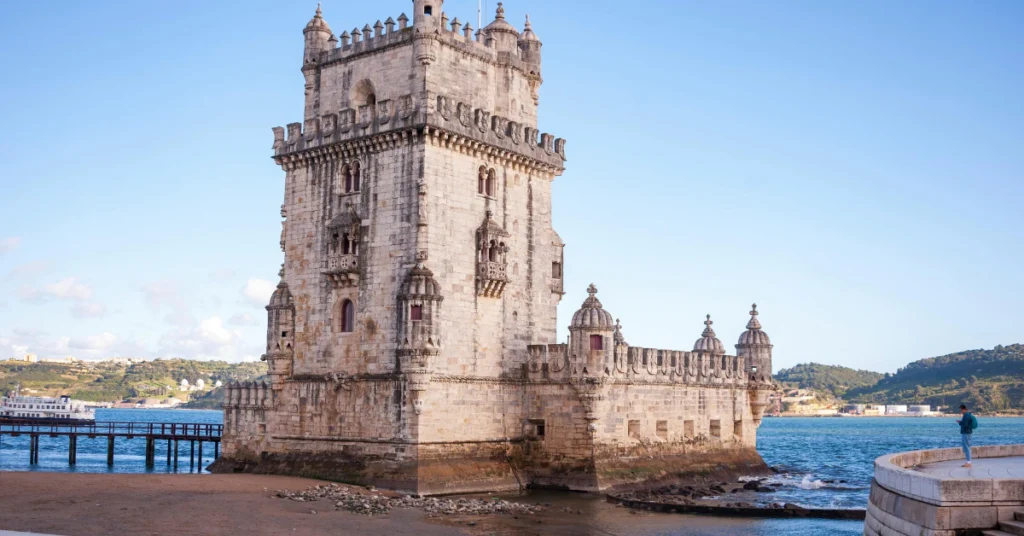
Belém Tower sits along the Tagus River, just a short walk from the monastery. It was built as a fortress to guard the harbor entrance, and its Manueline-style towers and turrets make it one of the most photographed spots in Lisbon. Climbing to the top rewards you with river views, but the staircase is narrow and steep.
Expect a wait during peak season, since only a limited number of visitors are allowed inside at once. If you’re short on time, the exterior alone is worth the visit.
Castelo de São Jorge
Castelo de São Jorge sits high above the city, and it offers the best panoramic views in Lisbon, hands down. The castle dates back centuries and has been rebuilt many times, including after the 1755 earthquake. Peacocks roam the grounds, which surprises most first-time visitors.
Getting here means climbing steep, narrow streets through Alfama. Wear real walking shoes, not sandals, because the cobblestones are uneven and slippery when wet.
Tram 28
Tram 28 is Lisbon’s famous yellow vintage tram, and riding it is one of the most popular things to do in Lisbon. It winds through Graça, Alfama, Baixa, and Estrela, passing narrow streets that buses simply can’t fit through. The route itself works like a moving sightseeing tour.
Here’s the honest warning: Tram 28 gets extremely crowded, and pickpockets specifically target tourists on this line. Keep bags zipped and in front of you, and avoid keeping your phone in a back pocket. Boarding at an earlier stop, away from the main tourist crowds, usually means an easier ride.
Elevador de Santa Justa
Elevador de Santa Justa is a striking iron elevator built by Raoul Mesnier du Ponsard, a student of Gustave Eiffel. It connects the flat Baixa district to the higher Largo do Carmo, saving visitors a steep uphill walk. The ironwork alone is worth stopping to admire.
Lines for the elevator can be long, especially at midday. A simpler workaround is to skip the ride up and instead walk up through Bairro Alto, then use the elevator’s viewing platform once you’re already at the top. Either way, the view over Baixa’s rooftops toward the castle is one of the best free views in the city.
Unique and Unusual Things to Do in Lisbon
Beyond the castles and monasteries, Lisbon has a creative, gritty side that many first-timers miss. If you’re looking for unusual things to do in Lisbon today, these four spots go beyond the typical tourist checklist.
Exploring LX Factory
LX Factory sits in Alcântara, and it used to be an abandoned industrial complex before artists and small businesses moved in. Today it’s packed with street art, indie bookshops, design studios, and rooftop cafés. Every wall seems to hide another mural, so it’s worth just wandering without a fixed plan.
Weekends bring a small market with local crafts and food stalls. It’s an easy stop to combine with a visit to Belém, since it’s just a short trip away by taxi or rideshare.
Walking Down Pink Street
Pink Street is the nickname for Rua Nova do Carvalho, and its bright pink pavement makes it impossible to miss. The street used to be part of Lisbon’s red-light district, but it’s now the center of nightlife, packed with bars and late-night music. It gets going after 10 p.m. and stays busy well past midnight.
During the day, it’s quiet and almost forgettable. At night, it transforms completely, so plan your visit accordingly if nightlife is the goal.
Visiting the Miradouros
Lisbon’s miradouros, or lookout points, are free, and they offer some of the best views in the city. Miradouro das Portas do Sol is one of the most popular, overlooking the rooftops of Alfama and the river beyond. Street musicians often perform here in the evening, adding to the atmosphere.
Sunset is the best time to visit, but arrive at least 20 minutes early to grab a good spot on the railing. Bring cash if you want a coffee or drink from the small kiosks nearby.
Listening to Authentic Fado in Alfama
Alfama is Lisbon’s oldest neighborhood, and it’s the birthplace of Fado, a mournful, soulful style of Portuguese music. Many restaurants advertise “Fado nights,” but the quality and authenticity vary a lot. Doing a little research beforehand saves you from an overpriced, watered-down show.
Here’s how to find real Fado in Alfama instead of a tourist trap:
- Look for small, family-run tascas rather than large restaurants with English menus posted outside
- Ask your hotel or a local shop owner for a current recommendation, since good venues change over time
- Avoid places with photos of food plastered on the entrance, a sign it’s built for tour groups
- Expect a cover charge or minimum spend, since genuine Fado houses rarely offer free entertainment
- Arrive early, since good, small venues fill up fast and don’t take walk-ins once seats are full
Alfama’s narrow streets are steep and uneven, so wear solid shoes if you’re walking here after dark. A cheap taxi or rideshare back to your hotel is worth it after a late Fado show.
Eat and Drink Like a Local

Lisbon’s food scene runs on simple, bold flavors. Custard tarts, salted cod, cherry liqueur, and fresh seafood define most menus here.
Pastéis de Belém
Pastéis de Belém has been baking custard tarts since 1837. The recipe is a closely guarded secret, passed down from the monks of Jerónimos Monastery. No other bakery makes it quite the same.
Lines form fast, especially on weekends. Order a few tarts to go, dust them with cinnamon, and eat them warm.
Time Out Market
Time Out Market, housed in the historic Mercado da Ribeira, brings together 26 restaurants and 8 bars under one roof. It’s the easiest way to sample Lisbon’s best chefs without booking multiple reservations. Everyone in your group can order something different.
Go early for lunch or you’ll be hunting for a table. Evenings get loud and crowded fast.
A Ginjinha
A Ginjinha is a small, no-frills spot famous for ginjinha, a sweet cherry liqueur served in a tiny shot glass. Locals often drink it with a piece of cherry dropped in the bottom. It’s cheap, quick, and very Lisbon.
Stand at the counter, order one, and move on. It’s a stop, not a sit-down experience.
Bacalhau (Salted Cod)
Bacalhau, or salted cod, shows up in hundreds of variations across Lisbon. Portuguese cooks say there’s a different recipe for every day of the year. Most restaurants, from small tascas to upscale spots, serve their own version.
Try it baked with potatoes and olive oil for a classic, simple version. It’s filling, comforting, and easy to find anywhere in the city.
| Experience | What It Is | Best Time to Go |
| Pastéis de Belém | Original custard tart bakery since 1837 | Morning, before 10 a.m. |
| Time Out Market | Food hall with 26 restaurants and 8 bars | Early lunch, before noon |
| A Ginjinha | Traditional cherry liqueur shot | Afternoon or early evening |
| Bacalhau | Classic salted cod dish | Dinner at a local tasca |
Neighborhood Guide & Itinerary Planning

Lisbon is made up of distinct neighborhoods, each with its own personality. Knowing which one you’re in helps you plan your day more efficiently.
Baixa: The Historic Center
Baixa is Lisbon’s flat, grid-shaped downtown, rebuilt after the 1755 earthquake destroyed much of the original city. Wide pedestrian streets, shops, and grand plazas make it the easiest area to walk around. It’s also the most central base for reaching other neighborhoods by foot or tram.
Bairro Alto: Nightlife and Energy
Bairro Alto is Lisbon’s party district, quiet during the day and packed by night. Narrow streets fill with small bars, and people spill out onto the sidewalks with drinks in hand. It connects to Chiado, so you can easily combine dinner and a night out in one walk.
Belém: History and Monuments
Belém sits a short tram or bus ride from central Lisbon, and it holds most of the city’s major monuments. Jerónimos Monastery, Torre de Belém, and Pastéis de Belém are all within walking distance of each other. Plan at least half a day here, since the sites are spread along the riverfront.
What to Do in Lisbon for a Day
If you only have one day, focus on hitting the highlights without overplanning. Here’s a simple one-day route:
- Morning: Start in Belém, visit Jerónimos Monastery, then walk to Torre de Belém
- Mid-morning: Grab tarts at Pastéis de Belém before the lines build up
- Afternoon: Head back to Baixa, then ride Tram 28 through Alfama and Graça
- Late afternoon: Climb up to Castelo de São Jorge for city views
- Evening: Watch sunset at Miradouro das Portas do Sol, then find dinner in Alfama
Is 3 Days in Lisbon Too Long?
No, three days in Lisbon is not too long, and it’s actually the ideal amount of time. Three days gives you room to see the main landmarks, explore neighborhoods on foot, and still fit in a day trip to Sintra. Rushing Lisbon in a single day means missing most of what makes it special.
So what to do in Lisbon in 3 days? Here’s a simple breakdown:
- Day 1: Baixa and Alfama, including Castelo de São Jorge, Tram 28, and a Fado show at night
- Day 2: Belém district for the monastery, tower, and pastries, followed by LX Factory in the afternoon
- Day 3: Full day trip to Sintra to see Pena Palace, returning to Lisbon for dinner and drinks on Pink Street
According to tips shared in things to do in Lisbon Reddit threads, pacing yourself on the hills is crucial. Many visitors underestimate how steep Alfama and parts of Bairro Alto really are. Building in rest stops, especially in the afternoon heat, makes a big difference.
Quick Neighborhood Comparison
| Neighborhood | Vibe | Best For |
| Baixa | Central, flat, historic | Walking, shopping, easy access |
| Bairro Alto | Lively, loud at night | Bars, nightlife, dinner |
| Belém | Historic, riverside | Monuments, museums, pastries |
| Alfama | Old, hilly, traditional | Views, Fado, castle |
Spreading your days across these neighborhoods, rather than trying to see everything in one, keeps the trip enjoyable instead of exhausting.
Best Day Trips from Lisbon
Sintra is the single best day trip from Lisbon, and it’s easy to see why. This fairy-tale town sits about 40 minutes away by train, with colorful palaces tucked into forested hills.
Why Sintra Comes First
Pena Palace is Sintra’s star attraction, painted in bold shades of red and yellow, and perched high on a hilltop. The palace grounds include sprawling gardens, hidden lookout points, and winding stone paths. Expect crowds by mid-morning, so an early train from Lisbon’s Rossio station is worth the effort.
Beyond Pena Palace, Sintra has several other palaces and estates worth a look if you have extra time. Most visitors find that one full day is enough to cover the highlights without rushing.
How Lisbon Compares to Other Spanish and Portuguese Cities
While researching things to do in Porto or things to do in Madrid, many travelers realize Lisbon actually offers the best home base for day trips. Porto sits a few hours north and works better as its own multi-day stop rather than a quick trip. Madrid, meanwhile, is a separate country entirely, requiring a flight rather than a short train ride.
Lisbon’s location makes it easy to reach Sintra, the coastal town of Cascais, and other nearby spots without long travel times. That convenience is a big reason travelers often choose Lisbon as their main base in Iberia.
FAQs & Conclusion
What Should I Not Miss in Lisbon?
Jerónimos Monastery, Torre de Belém, Castelo de São Jorge, and a ride on Tram 28 are the four things you shouldn’t skip. Pair those with a sunset at Miradouro das Portas do Sol for a well-rounded first visit.
What Not to Bring into Portugal?
Skip heavy, oversized luggage and leave high heels at home. Lisbon’s cobblestones are uneven and slippery, and impractical shoes make walking painful fast.
Is Lisbon a Walkable City?
Yes, Lisbon is very walkable, but it’s also extremely hilly. Sensible, sturdy shoes are mandatory, not optional, especially in Alfama and Bairro Alto.
Do I Need Cash in Lisbon?
Most places accept cards, but small kiosks, tascas, and A Ginjinha often prefer cash. Carry small bills for these quick, casual stops.
Is Lisbon Safe for Tourists?
Lisbon is generally safe, but pickpocketing is common on crowded transport like Tram 28. Keep valuables zipped up and stay aware in tourist-heavy areas.
Should I Use a Map While Exploring?
A things to do in Lisbon map, downloaded for offline use, helps a lot in neighborhoods like Alfama where GPS signals can lag. It also helps you plan routes around the city’s steep hills.
For official trip planning resources, Portugal’s national tourism board and the Lisboa Card website are both reliable starting points.
Lisbon rewards travelers who take their time, wear the right shoes, and mix big landmarks with quiet neighborhood moments. With this guide, you’re ready to plan a trip that feels both exciting and easy to manage.