
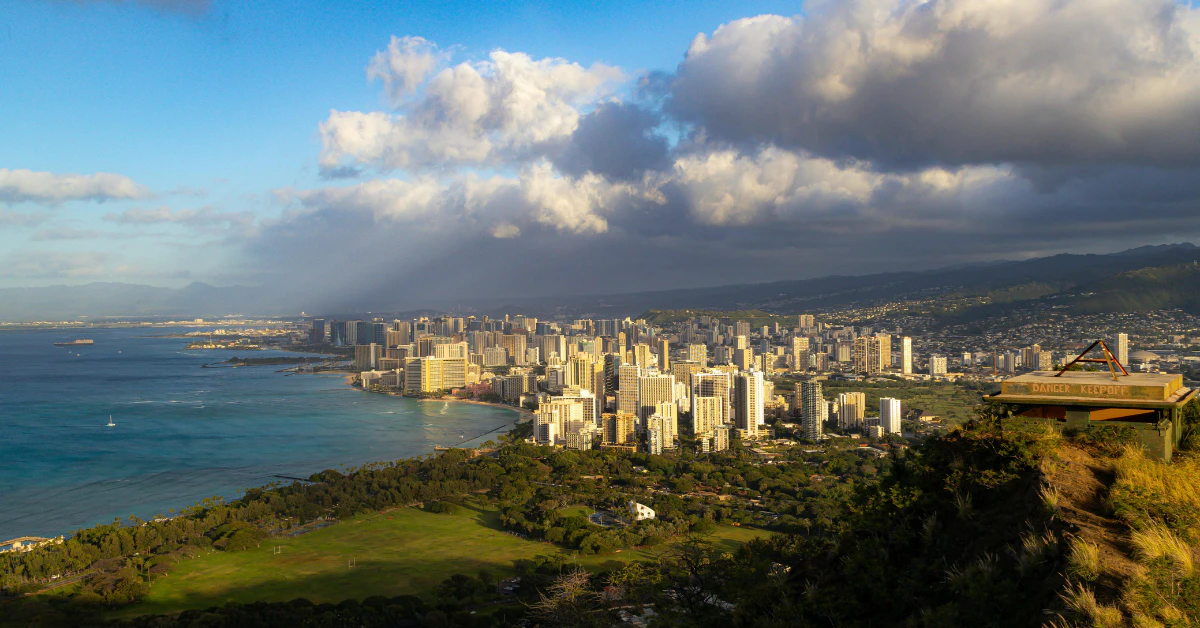
Short on time? Book Diamond Head, snorkel Hanauma Bay, and spend a day on the North Shore. These are Oahu’s top three, but reservations are required for most spots in 2026, so plan ahead or get turned away at the gate.
Oahu packs beaches, crater hikes, and history into one island. But this island runs on rules now. Parks sell out. Permits vanish in minutes. Showing up without a plan means missing the good stuff.
This guide covers the best things to do in Oahu, backed by real fees, real booking windows, and real deadlines. You will find exact prices, parking costs, and reservation timelines for every stop. No guessing, no wasted mornings.
Whether you want a quiet beach walk or a full day of oahu activities packed with hikes and food trucks, this list has it. We built it around 2026 rules, so nothing here is outdated. Let’s get into the best things to do in Oahu.
Waikiki & Honolulu: The Heartbeat of Oahu
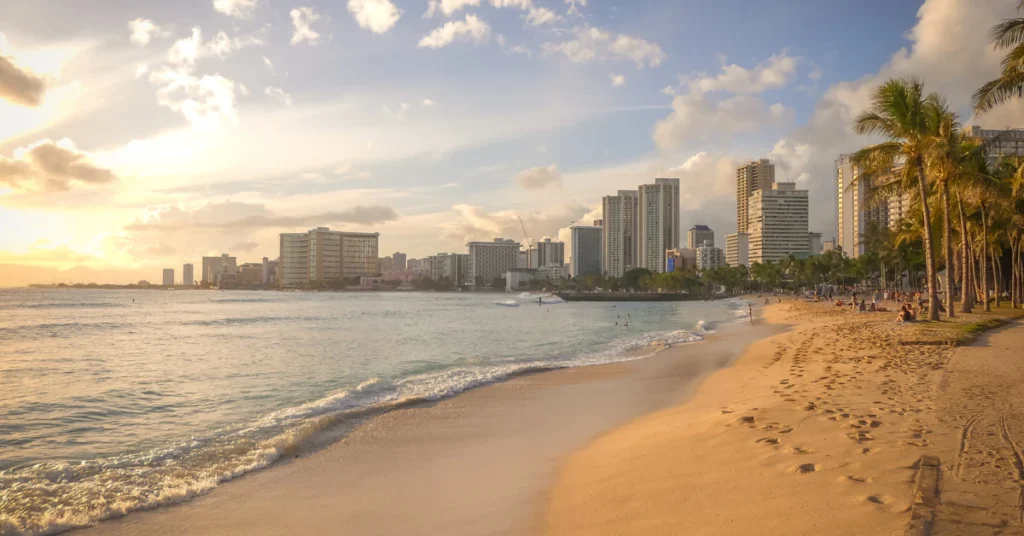
Waikiki and Honolulu pack more history and beach time into a few miles than almost anywhere on the island. This is where most trips start, and honestly, it’s a solid base. Here are the must do in Oahu picks in this area.
Diamond Head State Monument
This old volcanic crater is the postcard shot of Oahu. The hike is short but steep, and the summit view stretches over the whole south shore.
Non-residents must book online before arriving. Walk-ins get turned away, no exceptions.
Quick facts:
- Entry fee: $5 per person
- Parking: $10 per non-commercial vehicle
- Kids: 3 and under are free
- Booking: Required in advance through Hawaii State Parks
Go early. The trail has zero shade, and Hawaii heat hits hard by mid-morning. Aim for the first available slot if you can grab it.
Pearl Harbor National Memorial (USS Arizona)
Pearl Harbor is one of the most important things to do in Honolulu, full stop. The USS Arizona Memorial sits over the sunken battleship, and the visit includes a short boat ride out to it.
Entry itself is free, but you still need a ticket.
Quick facts:
- Reservation fee: $1 (non-refundable) through Recreation.gov
- Booking window: Released 56 days ahead at 3 PM HST, with a smaller batch released the day before at 3 PM HST
- Bag policy: No bags allowed at all, including purses and diaper bags
Bring only what fits in your pockets. There are lockers nearby for a small fee if you show up with a bag by mistake. Set a calendar reminder for that 3 PM release time, tickets move fast.
Waikiki Beach
Waikiki Beach is the classic Oahu image: soft sand, calm water, and Diamond Head in the background. It’s a great spot for beginner surf lessons since the waves are gentle most of the year.
The beach itself is free and open to everyone. Paid parking nearby runs high, so many visitors just walk from their hotel.
Sunrise and sunset both look great here, and the crowds thin out early in the morning. If you want a quieter version of Waikiki, come before 8 AM.
Manoa Falls Trail
Manoa Falls is a short jungle hike that ends at a 150-foot waterfall. It’s one of the easiest ways to feel like you left the city without actually leaving Honolulu.
The path is muddy almost year-round, so real shoes matter here, not sandals. The trail runs under thick tree cover, which makes it one of the cooler hikes on the island.
It usually takes under two hours round trip. Parking near the trailhead is limited, so arrive early or expect a short walk in.
Iolani Palace
Iolani Palace is the only royal palace on U.S. soil, and it’s a genuinely unique stop. This is where Hawaii’s monarchy once lived and ruled before annexation.
Guided and self-guided tours both go inside the restored rooms. It’s a slower, more reflective stop compared to the beaches and hikes on this list, and a good pick if you want real Oahu history instead of just scenery.
Give it about an hour if you want to see the full palace at a normal pace.
Ala Moana Center
Ala Moana Center is the largest open-air shopping mall in the world, and it sits between Waikiki and downtown Honolulu. It’s a solid stop for rainy days or a shopping break between beach time.
Beyond shopping, there are dozens of food options inside, from quick bites to sit-down spots. There’s also a small beach park right next to the mall if you want a break outdoors.
Parking is free for the first few hours with validation, which makes it an easy add-on to any Waikiki day. This stretch of Honolulu covers beaches, history, and hikes, and it’s a strong starting point for anyone building out a full list of things to do in Honolulu before heading to other parts of the island.
Windward & East Coast: Scenic Hikes & Snorkeling
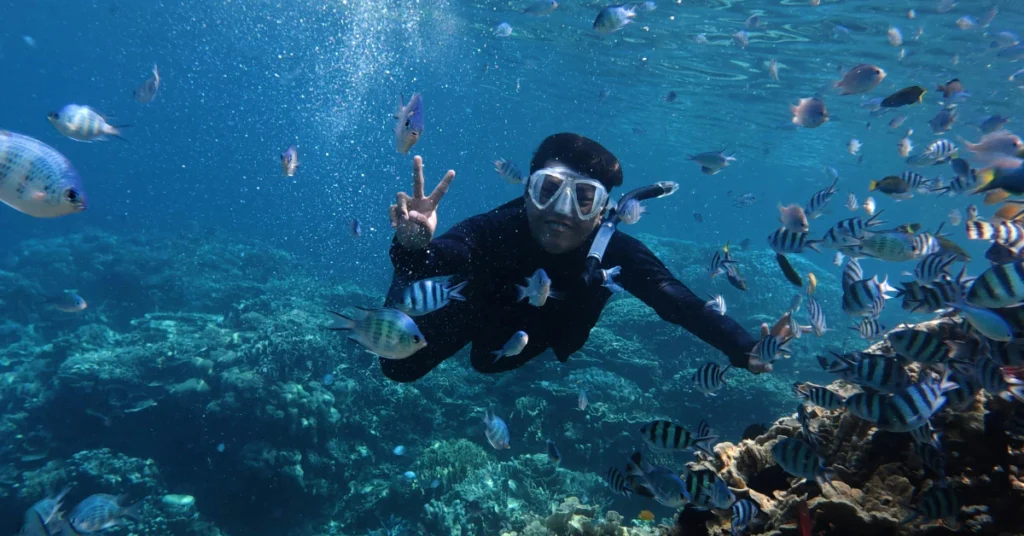
The east side of Oahu trades city energy for green cliffs and clear water. This stretch has some of the best snorkeling and hiking on the island. Just know that a few spots here run on strict booking rules.
Hanauma Bay Nature Preserve
Hanauma Bay is the best snorkeling spot on Oahu, hands down. Clear water and calm waves make it perfect for beginners and kids.
But getting in takes planning. Non-residents must book a slot 48 hours in advance through pros.hnl.info, and tickets go fast.
| Detail | Info |
| Price | $25 per person (ages 13+) |
| Booking opens | 7:00 AM HST, daily |
| Sell-out time | Around 5 minutes |
| Hours | 6:45 AM to 1:30 PM |
| Closed | Mondays & Tuesdays |
| Required | 9-minute educational video before entry |
Set an alarm before 7 AM. Tickets vanish almost instantly, so refresh the page right at opening time. Watch the safety video ahead of your visit if the site allows it, it saves time once you arrive.
Lanikai Beach
Lanikai Beach often tops “best beach” lists, and it’s easy to see why. The sand is soft, the water is calm, and two small islands called the Mokulua sit just offshore.
There’s no entrance fee here. Street parking is the only option, and it fills up fast on weekends.
Come early morning for the calmest water and easiest parking. This is a swim-and-relax beach, not a surf spot, so it’s great for families.
Makapuʻu Point Lighthouse Trail
This paved trail climbs a coastal cliff to a lighthouse view over the ocean. It’s a popular pick because the path is wide, easy to follow, and safe for most fitness levels.
Winter visits add a bonus: whale watching. Humpback whales pass close to shore between roughly December and April.
The trail has no shade, so bring water and sun protection. Morning visits keep you cooler and avoid the midday crowd.
Koko Crater Railway Trailhead
Skip the Haiku Stairs. That trail is illegal, fully dismantled, and hikers still get fined over $1,000 for trying it.
Koko Crater Railway Trail is the real alternative, and it’s legal. It climbs 1,048 old railway ties straight up the side of a crater, and it’s just as tough as it sounds.
This hike is steep and has zero shade. Go early, bring more water than you think you need, and take breaks on the way up. The view from the top is worth every step.
Hoʻomaluhia Botanical Garden
This garden sits at the base of the Koolau mountains, and the views here are hard to beat. Green cliffs rise straight up behind ponds and wide open lawns.
Best part: there’s no entrance fee at all. It’s one of the few free things to do on this side of the island.
The garden is calm and quiet compared to the beaches nearby. It’s a good stop if you want a slower morning before hitting a trail or the water.
Byodo-In Temple
Byodo-In Temple sits inside the Valley of the Temples, and it’s a peaceful stop between hikes. It’s a replica of a 900-year-old temple in Japan, built to honor early Japanese immigrants to Hawaii.
A large bronze bell greets visitors at the entrance, and koi fish fill the pond out front. The mountain backdrop makes it one of the most photogenic spots on this list.
Plan a short visit here, 30 to 45 minutes is plenty. It pairs well with a morning at Hoʻomaluhia since both are in the same general area.
The North Shore: Surf, Shrimp & Shave Ice
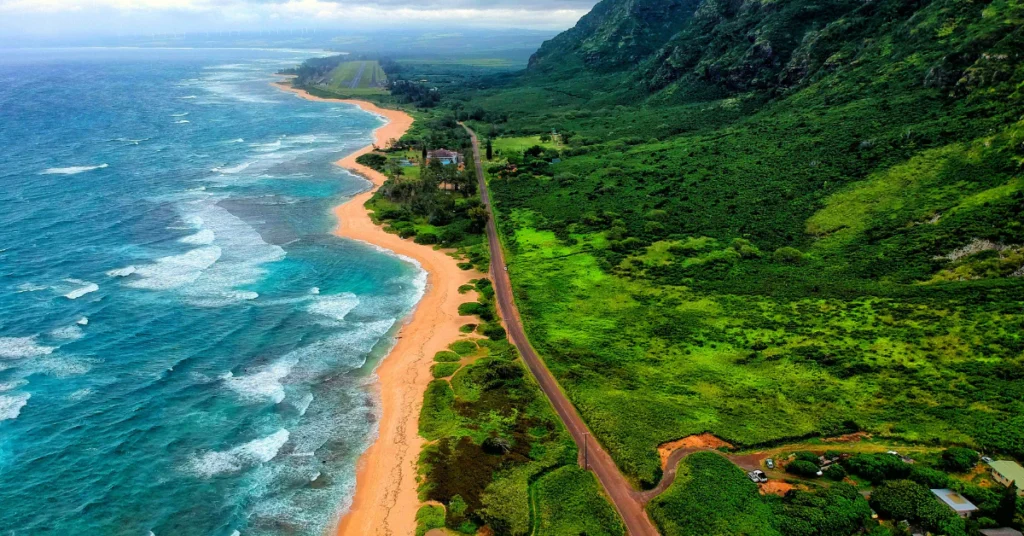
The North Shore feels like a different island. It’s slower, smaller, and built around surf culture instead of high-rise hotels. This stretch is packed with laid-back oahu attractions and some seriously good food.
Historic Haleiwa Town
Haleiwa is the heart of north shore oahu life. It’s a small strip of surf shops, art galleries, and food stands, all with an old plantation-town feel.
Plan to walk it slowly. Most people spend an hour or two just wandering in and out of shops and grabbing food along the way.
Parking is free but limited, especially on weekends. Come mid-morning on a weekday if you want an easier time finding a spot.
Matsumoto Shave Ice
Matsumoto is the most famous shave ice shop in Hawaii, and the line out front proves it. It’s been serving the same colorful, fluffy ice for decades, right in the middle of Haleiwa Town.
Expect a wait, especially on weekends. It moves fast though, and it’s part of the fun.
Pick a classic rainbow flavor if it’s your first visit. Locals often add ice cream or azuki beans underneath, so ask if you want the full version.
Waimea Valley
Waimea Valley mixes a botanical garden with a real swimmable waterfall at the end. It’s a wide, easy trail, so it works well for families and slower walkers.
The gardens along the way are full of labeled plants native to Hawaii. It’s a nice break from beach-hopping if you want some shade and greenery.
Bring a swimsuit. The waterfall pool at the end is open for swimming, and it’s one of the few safe, easy-access waterfalls on the island.
Giovanni’s Shrimp Truck
Giovanni’s is the original garlic shrimp truck, and it basically started the shrimp truck trend across Hawaii. The truck is small, the line is long, and the garlic butter shrimp plate is the move.
It’s simple food, but it’s iconic for a reason. Bring cash and napkins, this dish gets messy.
Eat outside at one of the picnic tables nearby. It’s part of the North Shore experience, not just the food itself.
Shark’s Cove & Sunset Beach Park
These two spots show the North Shore’s split personality by season. In winter, huge waves roll in and turn this coast into a surf competition zone. In summer, the water calms down completely and turns into some of the best snorkeling on the island.
Winter (roughly November to March):
- Massive waves, watch-only, not for swimming
- Home to major pro surf competitions at Sunset Beach
Summer (roughly May to September):
- Calm, clear water at Shark’s Cove
- Good snorkeling among rocks and small fish
Never swim at Shark’s Cove or Sunset Beach during high surf season. Check conditions before you go, since the same beach can be totally different depending on the month. The North Shore rewards a slower pace. Give yourself a full day here to eat, shop, and watch the water, since rushing through misses the whole point of this side of the island.
Culture, History & Unique Experiences

Oahu isn’t just beaches and hikes. Some of the best stops here are about food, history, and real Hawaiian culture. These last five round out the list with a mix of splurge and free options.
Kualoa Ranch
Kualoa Ranch is a massive private valley on the windward side, and you’ve probably already seen it on screen. Jurassic Park and dozens of other movies were filmed right here, among the cliffs and jungle.
Tours book up fast, often weeks in advance, especially in peak season. Book early if this is a must-do, waiting until you land usually means missing out.
There are several tour types, from ATV rides to jungle expeditions. Pick one based on how adventurous you want your day to be.
Polynesian Cultural Center
This is the spot for an authentic luau, not a watered-down tourist version. The center features recreated villages from across the Pacific, each staffed by people sharing real traditions from their home islands.
The evening show brings everything together with fire, dance, and music. It’s one of the more romantic things to do in Oahu if you’re planning a special night out, especially paired with the luau dinner.
Give yourself the full day here. The villages alone take hours to explore properly, so don’t plan this as a quick evening stop.
Leonard’s Bakery
Leonard’s is a small Honolulu bakery famous for one thing: hot malasadas. These are Portuguese-style donuts, fried fresh and rolled in sugar, and they’ve been a local favorite for generations.
There’s almost always a line, but it moves quick. Try the custard-filled version if you want something beyond the classic sugar coating.
This is a stop, not a meal. Grab a box and eat them warm in the car or at a nearby park bench.
Bishop Museum
Bishop Museum holds the largest collection of Polynesian artifacts anywhere in the world. It’s the best place on the island to actually understand Hawaiian history before European contact.
Exhibits cover everything from ancient royalty to volcanic science. It’s a great rainy-day pick since most of the museum is indoors.
Plan for at least two hours if you want to see the main halls. It’s a slower, more educational stop compared to the rest of this list, but a valuable one.
Free Hula Shows at Kuhio Beach
Right on Waikiki’s Kuhio Beach, free hula shows run in the early evening most nights of the week. Dancers perform traditional hula as the sun starts to set, right on the sand.
This is one of the best free things to do in Oahu, and most visitors walk right past it without knowing. No ticket, no reservation, just show up and grab a spot on the grass.
Arrive a little early for a good seat near the front. It’s a simple, low-key way to end a beach day, and it costs nothing at all.
What NOT to Do in Oahu (2026 Updates)
Some old travel blogs still push tips that will get you fined, or worse. Here’s what to skip in 2026.
Do not hike the “Stairway to Heaven” (Haiku Stairs). This trail is completely illegal. The stairs were permanently dismantled starting in 2024, so there’s no legal way to hike them anymore. Hikers who try still get fined over $1,000, and rescues here are common and dangerous. Skip it, and use Koko Crater Railway Trail instead for the same steep stair-climbing challenge, legally.
Never touch sea turtles or monk seals. Hawaiian green sea turtles and monk seals are both protected under federal law. Touching, feeding, or crowding them can lead to real fines. Keep at least 10 feet away, even if they crawl right up onto the sand near you.
Don’t skip your reservations. Diamond Head, Hanauma Bay, and Pearl Harbor all require booking ahead in 2026. Showing up without one means getting turned away at the gate, no exceptions.
Frequently Asked Questions (FAQs)
Do I need a rental car on Oahu?
- Yes, in most cases. Many top spots, like the North Shore and Windward Coast, aren’t well covered by public transit.
- A car saves serious time if you’re covering multiple regions in one trip.
- If you’re only staying in Waikiki, you can get by without one.
What is the best month to visit Oahu?
- April, May, September, and October offer good weather with smaller crowds.
- Winter (Nov–Mar) brings bigger surf and whale watching, but more rain on the North Shore.
- Summer is peak season, with the calmest water for swimming and snorkeling.
How much spending money do I need per day?
- Budget travelers can get by on $100–150 per day, covering food, parking, and entry fees.
- Mid-range trips with a rental car and a few paid tours run closer to $200–300 per day.
- Add extra for luau tickets, guided tours, or nicer meals out.
Final Thoughts
Oahu rewards planning. Book your must-see spots early, skip the illegal trails, and respect the wildlife. Do that, and you’ll get the best version of the island, without the fines or the wasted mornings.