
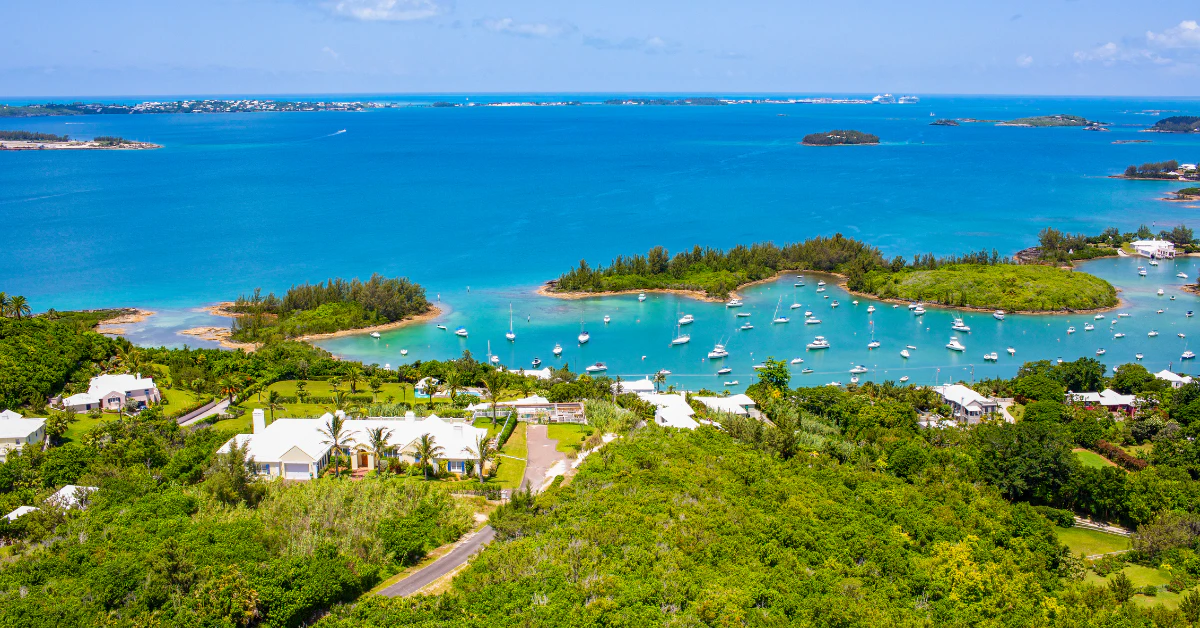
The best time to visit Bermuda is May through October, when the weather is warm enough for the beach and the island feels most alive.
Here’s the fast breakdown:
- Peak season (June to August): The hottest weather, the warmest water, and the biggest crowds. Prices are highest too.
- Shoulder season (March to May and September to October): The best month to visit Bermuda for most travelers. You get mild weather, thinner crowds, and lower prices.
- Off-season (November to February): The cheapest time to go, but too cold for swimming. Great for golf, sightseeing, and quiet beach walks instead.
If you want sun and swimming, aim for summer. If you want value and fewer crowds, aim for spring or fall.
Flying vs. Cruising: Understanding Bermuda’s Two Travel Seasons

Here’s something most guides skip. Bermuda actually has two different travel seasons, and mixing them up leads to bad planning.
Flights run all year. You can fly to Bermuda in January just as easily as you can in July. The island stays open and welcoming no matter the month.
Cruises do not. Cruise ships only sail to Bermuda from April to November. If you’re picturing a winter cruise to Bermuda, it’s not an option. The ships simply don’t go there in the colder months.
Flying from the USA
Getting to Bermuda by air is fast. A flight from New York (JFK) takes about 90 minutes. Boston is under 2 hours.
New routes have made it even easier to reach from more cities. BermudAir now flies nonstop from:
- Hartford
- Raleigh-Durham
- Charleston
This is on top of the usual nonstop routes from New York, Boston, Philadelphia, and Atlanta. So if you’re flying in, you likely have a direct option closer to home than you think.
Cruising to Bermuda
If you’re sailing in, 2026 brings a few changes worth knowing. Bermuda launched a Visitor Ambassador Programme to help guide cruise passengers during busy port days. The island has also expanded ferry capacity to St. George’s.
Both changes are meant to ease crowding at the main cruise port and spread visitors out across the island instead of bunching everyone in one spot. For cruisers, this means a smoother, less packed day on shore, especially during peak summer sailings.
For current flight routes and schedules, check Go To Bermuda.
Month-by-Month Breakdown: Weather, Crowds, and Prices
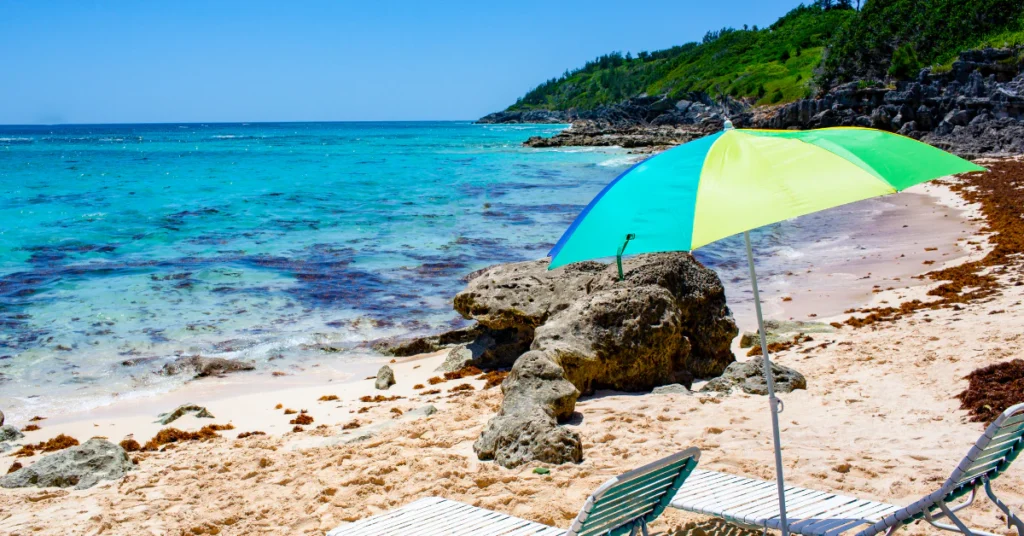
Bermuda’s weather shifts a lot across the year. Here’s what to expect, season by season.
Winter (December to February)
Winter is the quietest and cheapest time to visit. Temperatures stay mild compared to most of the US mainland, but it’s too cool to swim comfortably.
February stands out as the extreme month here. It’s the coldest month, with an average low of 61°F, and also the wettest, with about 10.8 rainy days and 4.7 inches of rain. Pack a jacket if you’re visiting in February.
Winter is a good pick for golf, sightseeing, and lower hotel rates.
Spring (March to May)
Spring brings warmer days and fewer crowds. The island turns green, and this is prime time for humpback whale watching, especially in March and April.
Water is still too cold for most swimmers early in spring, but by May things start to warm up nicely.
Summer (June to August)
Summer is peak season, and the numbers show why. Bermuda’s tourism is booming right now. In the first half of 2026, air visitor spending rose 7.9% to $204.6 million. In the second quarter alone, air arrivals reached 68,298 visitors, with spending per visitor climbing 4.9%.
In short, more people are coming, and they’re spending more too.
August is the hottest month of the year, with an average high of 85°F. It’s also the busiest and most expensive time to book a trip. July is worth noting for another reason. It’s the driest month, with only about 2.5 inches of rain on average, making it a safe bet if you want sunny days without much interruption.
Fall (September to November)
Fall is where travelers need to pay close attention, because not every fall month is equal.
September deserves a direct warning. It combines the highest hurricane risk of the year with the heaviest rainfall, making it the weakest month to book on paper. If your travel dates are flexible, this is the one month worth avoiding or at least watching closely.
October and November are a different story. Crowds thin out, prices drop, and the weather often stays pleasant well into October.
Quick Reference Table
| Month | Standout Trait | Why It Matters |
| February | Coldest and wettest | 61°F average low, most rain of the year |
| July | Driest | Only about 2.5 inches of rain |
| August | Hottest | 85°F average high, peak crowds |
| September | Highest risk | Rainiest fall month, peak hurricane season |
Beach and Swimming Season (It’s Shorter Than You Think!)
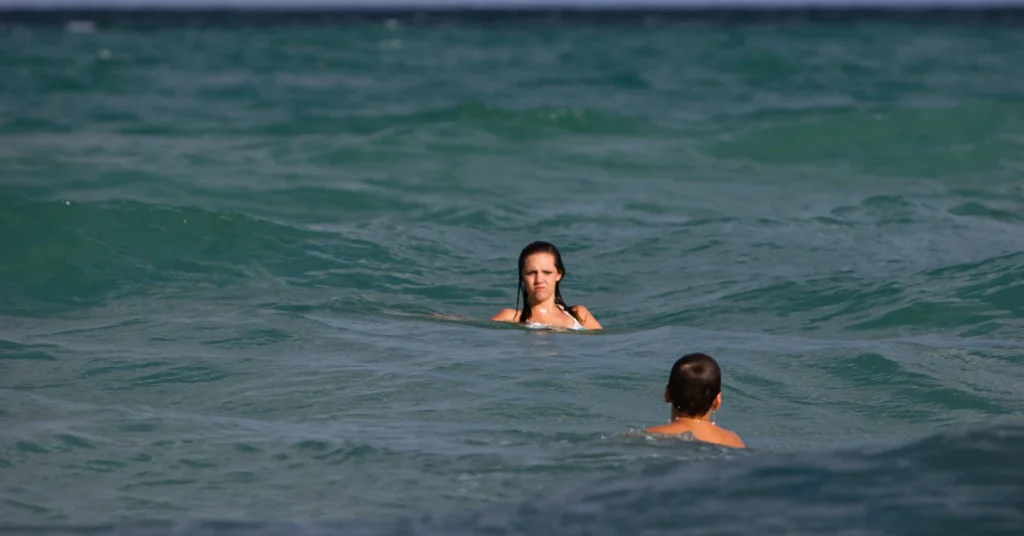
Here’s a mistake a lot of US travelers make. They assume Bermuda works like the Caribbean, with warm water all year round. It doesn’t.
Bermuda is closer to the US than most tropical islands, but that also means it’s cooler. The comfortable swimming season runs from June through early or mid-October. Outside of that window, the ocean is too cold for most people to enjoy without a wetsuit.
Know Your Water Temps
During peak season, from May through October, water temperatures average around 79°F (26°C). That’s warm enough for swimming, snorkeling, and spending hours in the water without a second thought.
Outside that window, it’s a different story. Travelers who visit in March, April, or November often expect beach weather simply because the air feels warm. Then they get to the water and find out it’s too cold to enjoy. Some even need a wetsuit just to snorkel comfortably.
This catches a lot of Northeast travelers off guard. They book a spring or fall trip expecting a quick tropical escape, only to realize Bermuda’s beach season is much shorter than places like Florida or the Caribbean.
The Bottom Line
If swimming or snorkeling is the main reason for your trip, stick to June through mid-October. Outside those months, Bermuda is still beautiful, but plan on sightseeing, golf, or beach walks instead of long days in the water.
Navigating Hurricane Season (June to November)

Hurricane season doesn’t need to scare you off a trip to Bermuda, but it does need a plan.
The official Atlantic hurricane season runs from June 1 to November 30. That’s a long stretch, but not every part of it carries the same risk. The real danger window is much narrower: mid-August through October. This is when storms are most likely to form and most likely to threaten the island.
What This Means for Your Trip
A storm doesn’t mean your whole trip is ruined. Most years pass without a direct hit. But if you’re booking a trip during peak risk months, a little preparation goes a long way.
Here’s what to actually do:
- Buy travel insurance. Look for a policy that covers trip cancellation and interruption due to severe weather. This is the single best way to protect your money.
- Check cancellation policies before you book. Some hotels and airlines offer flexible rebooking or even hurricane guarantees during storm season. Always ask before you pay.
- Watch the forecast closer to your trip. Storms are usually tracked days in advance, so you won’t be caught off guard last minute.
- Have a backup plan. If a storm is approaching, know your airline’s rebooking policy and your hotel’s refund terms ahead of time.
The Bottom Line
Hurricane season is simply part of visiting Bermuda in the summer and fall. It shouldn’t stop you from booking. It just means you should protect your trip the smart way, with insurance and a clear understanding of your cancellation options before you go.
Getting Around: Important Transport Rules
Here’s something that surprises a lot of first-time visitors. You cannot rent a regular car in Bermuda. Not at any price, not with any license. It’s simply not allowed for tourists.
This isn’t a bad thing once you know it ahead of time. It just means you need to plan your transportation differently than you would on a typical US trip.
How to Get Around Instead
Bermuda gives you a few solid options:
- Taxis. Easy to find and a good choice for direct trips, especially with luggage.
- Buses and ferries. A reliable and affordable way to see the island, with passes available for multiple days.
- Rental scooters and mopeds. A popular choice for visitors who want more freedom to explore on their own schedule.
- Twin-seat electric vehicles. Known locally as Twizys, these small electric cars are rentable and give you a car-like feel without needing a traditional rental.
Why This Matters for Planning
Since you can’t just rent a car at the airport, it’s worth deciding how you’ll get around before you book your hotel. If you choose a hotel far from the main sights, you’ll want to factor in taxi costs or bus routes ahead of time.
Budgeting a little time and money for transportation now will save you a headache once you land.
Frequently Asked Questions
What months can you swim in Bermuda?
The best months for swimming are June through early or mid-October. This is when water temperatures are warm enough to enjoy without a wetsuit, often reaching around 79°F. Outside this window, the water turns too cold for most swimmers.
Which is nicer, Bermuda or the Bahamas?
It depends on what you want from your trip. The Bahamas offers warm water almost all year round, more beaches to choose from, and a longer cruise season. Bermuda offers something different. It has a stronger focus on history, culture, and golf, along with a shorter but more refined cruise season. If guaranteed warm water matters most, the Bahamas wins. If you want a shorter trip from the US with a mix of beaches and history, Bermuda is the better fit.
How many days do you need in Bermuda?
Plan for 4 to 7 days. This gives you enough time to explore the island without feeling rushed. Shorter trips, especially 2-day cruise stops, often leave visitors wishing they had more time. Even travelers who’ve visited Bermuda multiple times still find new things to see.
What month is hurricane season in Bermuda?
Hurricane season officially runs from June 1 to November 30. The highest risk window falls between mid-August and October, so travelers visiting during those months should keep an eye on the forecast and consider travel insurance.
What month to avoid Bermuda?
If you want to steer clear of the riskiest conditions, September is the one to watch. It combines the heaviest rainfall of the fall season with the peak of hurricane season. It’s not a guaranteed washout, but it carries more risk than any other month on the calendar.
Why is Bermuda called the isle of devils?
This nickname goes back centuries, long before the modern Bermuda Triangle myth. Early Spanish and Portuguese sailors heard strange sounds coming from the island, including the eerie calls of a native bird called the cahow and loud noises from wild hogs left behind by earlier visitors. Combined with Bermuda’s dangerous reefs and frequent storms, sailors became convinced the island was haunted. That fear earned it the name Isle of Devils, a nickname that has nothing to do with the Bermuda Triangle stories that came much later.
For official updates on storm activity before you travel, check the National Hurricane Center.
Conclusion
Bermuda rewards travelers who time their trip right. For warm water and beach days, June through September delivers the most reliable summer heat and the liveliest island energy. If you’d rather skip the crowds and save some money, March through May or September through October give you mild weather without the peak-season price tag. And if golf, sightseeing, or a quiet escape is more your speed, the winter months from November through February are calm, affordable, and still full of island charm.
Whichever season you choose, just remember the two biggest things that trip up first-time visitors: the swimmable water window is shorter than it looks on a map, and you won’t be renting a car once you land. Plan around those two facts, and the rest of your Bermuda trip should come together easily.