
The best things to do in Fiji fall into three groups: island hopping between the Mamanuca and Yasawa chains, visiting a local village for a kava ceremony, and getting in the water to snorkel or dive Fiji’s coral reefs. These three pillars show up in almost every trip, whether you are traveling with kids, as a couple, or solo.
Most first-time visitors should plan for 7 to 10 days. That gives you enough time to explore the main island of Viti Levu and still spend a few nights on an outer island. A shorter trip of 5 days can work if you plan to stay at one resort, but it will not leave much room to see more than one region.
This guide breaks down exactly what to do, where to go, and what to know before you book.
The Fiji Blueprint: Island Hopping vs. The Mainland
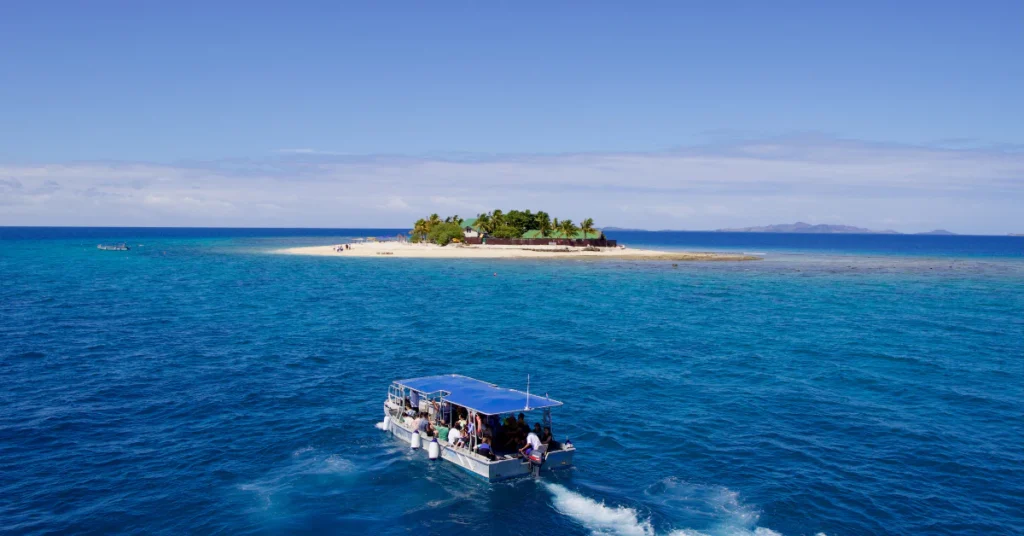
Fiji is not one island. It is a group of more than 300 islands, so the first thing to understand is how they connect.
Nadi Is Your Starting Point
Nearly every visitor lands at Nadi International Airport, on the west side of the main island, Viti Levu. This makes Nadi the natural base for planning things to do in Fiji Nadi, from day trips to local markets to short drives along the coast. Most hotels, car rentals, and tour desks are set up to serve travelers arriving here first.
Port Denarau Marina Is Where Trips Begin
A short drive from Nadi sits Port Denarau Marina. This is the main hub for booking boat tours, catching ferries, and starting almost any trip out to the smaller islands. If you want to visit Cloud 9, join a day cruise, or head to the Mamanucas or Yasawas, you will likely start here. Booking through operators with a real office at the marina is also the safest way to avoid overpaying for a tour.
What the Main Island Offers
Viti Levu itself is packed with options if you are looking for things to do in Fiji main island style, without ever boarding a boat. This includes cultural sites, eco-parks, and river adventures inland. These spots work well for a short layover day or for travelers who prefer to stay based in one place and take day trips out.
What the Outer Islands Offer
The Mamanuca and Yasawa island chains are where the postcard version of Fiji lives. These are the islands most people picture when they search for things to do in Fiji island hopping, with calmer lagoons, smaller resorts, and a slower pace. Getting there usually means a boat transfer from Port Denarau, ranging from a quick hop to the nearest Mamanucas to a longer ride out to the Yasawas.
How to Plan Around This
A simple way to think about it: use Viti Levu for culture, adventure, and convenience, and use the outer islands for the classic beach and snorkel experience. Many trips mix both, spending a few nights near Nadi before moving out to an island resort for the rest of the stay. This split is also why the standard 7 to 10 day trip length works so well. It gives you time for both sides of Fiji instead of rushing through just one.
Deep Dive: Cultural Immersion & Village Etiquette
Visiting a Fijian village is one of the most meaningful things you can do on the islands. It is also the part of the trip that makes many travelers nervous, since the rules are different from a normal sightseeing stop. Knowing them ahead of time takes away most of that worry.
Dress the Right Way
Villages expect modest dress, even though you may be coming straight from the beach. Cover your shoulders and knees. Many visitors wrap a sulu, a simple Fijian sarong, around their waist before entering. This single step shows respect and helps you blend in rather than stand out.
Bring a Gift, Not Just Yourself
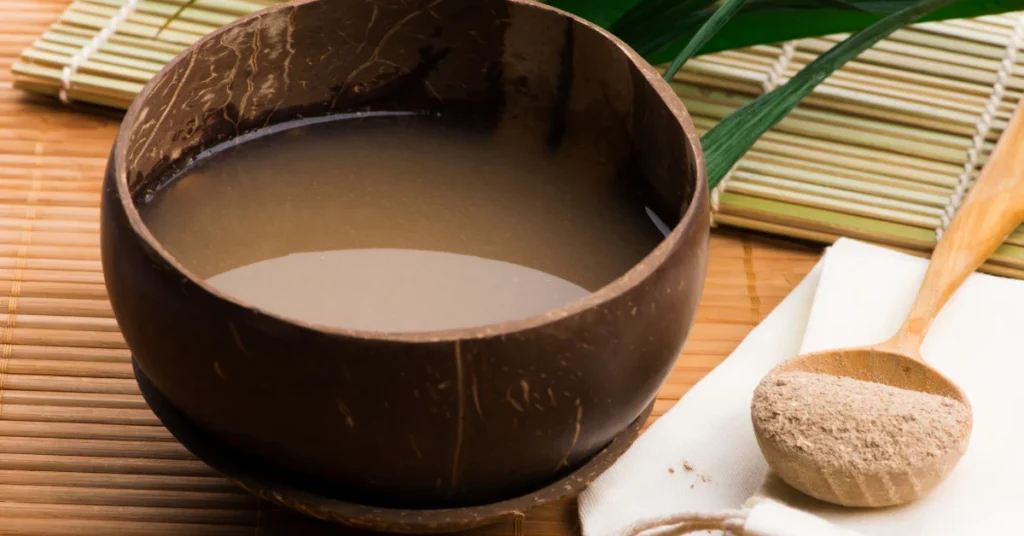
You should never arrive at a village empty handed. The tradition is to bring a sevusevu, a small gift, and the most accepted form is kava, also called yaqona. Around FJ$30 worth of kava root or powder is the standard amount. This gift is not a formality. It is how you ask permission to be there.
Who You Give It To
The sevusevu is presented to the turanga ni koro, the village headman. He is the person who welcomes you in and, in many cases, leads a kava ceremony as part of that welcome. Drinking kava with the group is a normal and expected part of this experience, not something to be shy about.
Timing Matters
Two rules stand out above the rest. First, never show up at a village unannounced. Always arrange your visit ahead of time, usually through a guide or tour operator who already has a relationship with the village. Second, do not visit on a Sunday. This is a day set aside for church and rest, and an unexpected visit would be seen as disruptive.
Follow these basics and a village visit becomes one of the easiest parts of the trip, not the hardest. It is also one of the few Fiji experiences built entirely on trust rather than price, which is exactly what makes it stand out.
Adventure & Wildlife: Balancing Kids and Adults
Fiji works for nearly every age group, but a few activities are built for families while others are better suited to adults traveling without kids. Knowing which is which before you book saves a lot of disappointment.
Best Picks for Things to Do in Fiji With Kids
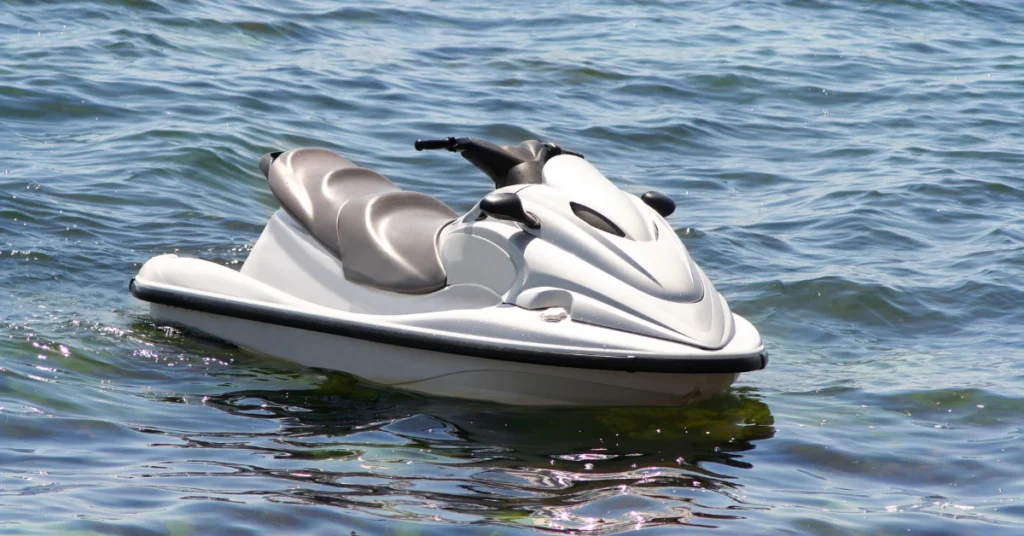
The Sigatoka River Safari is a solid family adventure. It is a jet boat ride that runs about four and a half hours and takes you deep into Fiji’s interior along the river. Pricing runs roughly $115 to $155 USD depending on the package and transfer option you choose. Kids tend to love the speed of the boat, and the ride gives the whole family a look at Fiji away from the resorts.
Kula Eco Park is another strong choice for things to do in Fiji with family. The park runs a breeding program for the crested iguana, a rare species found only in Fiji, and kids can get close to the animals in a hands-on setting. Entry costs FJD $50 for adults and FJD $25 for children when booked on its own, outside of a bundled tour.
A Key Warning for Parents
Not every popular spot welcomes young children, and this is where many families get caught off guard. Cloud 9, the floating bar and platform near the Mamanuca Islands, does not allow children under 10 or infants on site. If you are planning a day trip there as part of a family itinerary, you will need to arrange separate childcare or skip it entirely. This rule is easy to miss until you are already booking, so check it early.
Best Picks for Things to Do in Fiji for Adults
Cloud 9 itself is really an adult-focused outing. Without young kids on board, it becomes a relaxed day of floating on the water, grabbing food and drinks, and enjoying the view out at sea. It pairs well with a couples trip or a group of friends looking for a lower-key day away from the resort.
The takeaway is simple. If you are traveling with young children, lean toward the Sigatoka River Safari and Kula Eco Park. If you are planning an adults-only day, Cloud 9 fits that mood better, as long as everyone in your group is old enough to go.
The Vibe Check: Fiji vs. Bali, Bora Bora, and Hawaii
If you are comparing Fiji against other popular tropical spots, the honest answer is that it sits in the middle. It is not the cheapest option, and it is not the most expensive. Here is how the numbers actually break down.
Fiji vs. Bali: The Real Cost Gap
Bali is the budget winner by a wide margin. A mid-range day in Bali runs about $60 to $100, while the same style of day in Fiji runs $150 to $250. This gap shows up everywhere, from hostel beds to street food. If cost is your main concern, Bali will stretch your dollars much further than Fiji will.
That said, Fiji offers something Bali cannot match as easily: resorts built for a slower, more relaxed pace with fewer crowds and less planning required day to day.
Fiji for Things to Do in Fiji for Couples: The Honeymoon Math
For couples weighing Fiji against the Maldives, the value case is strong. Fiji can deliver about 85 percent of the Maldives experience for roughly 55 to 60 percent of the total cost. You still get turquoise water, overwater rooms, and a private island feel, just at a price that does not require a second mortgage.
Fiji vs. Bora Bora: Overwater Bungalows Without the Bora Bora Price Tag
Bora Bora is still the name most people think of first for overwater bungalows, but it comes at a steep cost. Entry-level overwater bungalows there start around $900 to $1,500 a night. Fiji has fewer overwater options overall, but resorts like Likuliku and Fiji Marriott Momi Bay offer that same style of room at a noticeably lower price point. You get the photo and the experience without matching Bora Bora’s premium.
Quick Comparison
| Destination | Daily Budget (mid-range) | Known For |
| Bali | $60 to $100 | Lowest overall cost |
| Fiji | $150 to $250 | Balanced cost and overwater options |
| Bora Bora | Overwater from $900 to $1,500/night | Most exclusive, highest price |
For couples who want an overwater stay without the Bora Bora bill, or a Maldives-style trip without the Maldives price, Fiji lands in a genuine sweet spot.
Timing Your Trip: Navigating the Seasons
Fiji runs on two seasons: dry and wet. Knowing where your travel month falls makes a real difference in planning, especially if you are looking at the final months of the year.
Things to Do in Fiji in October
October is one of the best months to visit. It sits at the tail end of the dry season, which runs from May through October, so you get the benefits of clear skies and low rainfall without the deepest crowds of mid-year. This is a strong window for outdoor plans like island hopping or river tours, since rain is unlikely to get in the way.
Things to Do in Fiji in November
November is a split month. The wet season officially begins in November and runs through April, but the first half of the month often still feels like the dry season, with lighter, more settled weather. Rain tends to pick up and become more frequent as you move into the back half of November. If you are booking an early November trip, you can still expect decent conditions, just with a bit more rain risk than October.
Things to Do in Fiji in December
December sits fully inside Fiji’s wet season, and it is worth knowing that peak cyclone risk runs from December through February. This does not mean December travel is unsafe or should be avoided outright, but it does mean checking weather forecasts closely and staying flexible with outdoor plans. Humidity and rainfall are both noticeably higher than in October or early November.
The Simple Rule
If dry, predictable weather matters most to you, aim for October. If you are flexible and want slightly better rates, early November can still work well. December is possible, but go in with realistic expectations about rain and the chance of storms.
Need-to-Know Logistics: Costs, Visas, and Scams
Before you book anything, there are a few hard facts worth knowing. These are not exciting, but they will save you money and headaches once you land.
Entry Requirements
U.S. passport holders do not need a visa to visit Fiji for stays of up to 4 months. The only requirement is that your passport stays valid for at least 6 months beyond your entry date. This makes Fiji one of the easier international trips to plan from the U.S., paperwork-wise.
The Departure Tax You Will Actually Pay
Every traveler leaving Fiji pays an Airport Departure Tax, and it has climbed steadily in recent years, reaching FJD $200 as of August 2025. This fee is often rolled into your plane ticket, so you may not notice it as a separate charge, but it is worth factoring into your overall trip budget. As of early 2026, the Fijian government has been discussing seasonal reductions to this tax to help attract more visitors during slower travel months, so it is worth a quick check closer to your travel dates in case the rate has changed.
How Safe Is Fiji, Really
Fiji is rated Level 1, Exercise Normal Precautions, by the U.S. State Department. This is the lowest and safest advisory level the agency uses, and Fiji’s overall threat score sits at just 1.2 out of 10. In plain terms, this means normal travel awareness is enough. You do not need special precautions beyond what you would use in any unfamiliar place. You can check current advisory details directly on the U.S. State Department’s travel advisory page before you go.
The One Scam Worth Knowing About
The most commonly reported tourist trap in Fiji is simple and easy to avoid once you know it. A friendly stranger asks for your name, then carves it into a small wooden item, like a spear or shield, without being asked to. Once it is carved, they ask for payment, often a steep one, arguing the item can no longer be sold to anyone else.
A fair price for a small wood carving in Fiji is only FJ2toFJ5, not the much higher amount often pushed in this situation. If you want a souvenir without the pressure, buy from a fixed-price shop like Jack’s of Fiji instead of a street vendor. You will pay a fair, clearly marked price and skip the awkward exchange entirely.
Frequently Asked Questions
What is a must do in Fiji?
Island hopping to the Mamanuca or Yasawa Islands and a village visit with a kava ceremony are the two experiences that come up again and again. Together they cover both sides of Fiji, the beach and water side, and the cultural side.
Is Fiji as cheap as Bali?
No. A mid-range day in Fiji runs $150 to $250, compared to $60 to $100 in Bali. Food alone can cost three to four times more in Fiji, so if a tight budget is your top priority, Bali will go further.
What is Fiji’s main attraction for tourists?
The marine environment draws the most visitors. Fiji is often called the soft coral capital of the world, and its reefs are the main reason people come for diving, snorkeling, and island-hopping day trips.
Is Fiji expensive to visit?
Yes, compared to many other tropical destinations. That said, Fiji is still 57.6 percent cheaper than Hawaii overall, with restaurant costs running about 62 percent lower. It sits in a middle price tier, pricier than Bali but more affordable than Hawaii or Bora Bora.
What to be careful of in Fiji?
The biggest thing to watch for is the wood-carving name scam, where a stranger carves your name into a souvenir without being asked, then pressures you for payment. Stick to fixed-price shops to avoid this, and use registered taxis, which are easy to spot by their yellow “LT” plates.
Is Fiji nicer than Hawaii?
It depends on what you want. Hawaii offers more infrastructure, more activities, and easier access. Fiji offers lower costs, calmer lagoon water, and a culture many travelers describe as warmer and more personal.
Is it safe for Americans to travel to Fiji right now?
Yes. Fiji carries a Level 1 rating, Exercise Normal Precautions, from the U.S. State Department. This is the safest tier the agency assigns, and normal travel awareness is enough for most visitors.
Is Fiji like Bora Bora?
They share the overwater bungalow style, but Fiji spreads that experience across a much larger, more varied set of islands with more price options. Bora Bora stays more exclusive and expensive, while Fiji offers a similar look at a lower cost.
How many days in Fiji is enough?
Most first-time visitors do well with 7 to 10 days. That gives enough time to see the main island and still spend a few nights on an outer island, without feeling rushed.
Conclusion
Fiji works best when you plan around its two halves: the mainland for culture and adventure, and the outer islands for the classic beach experience. Give yourself 7 to 10 days if you can, budget for the departure tax and a higher daily spend than Bali, and keep the village etiquette and scam tips in mind once you land. With those basics covered, the rest of the trip is just picking which islands to see first.