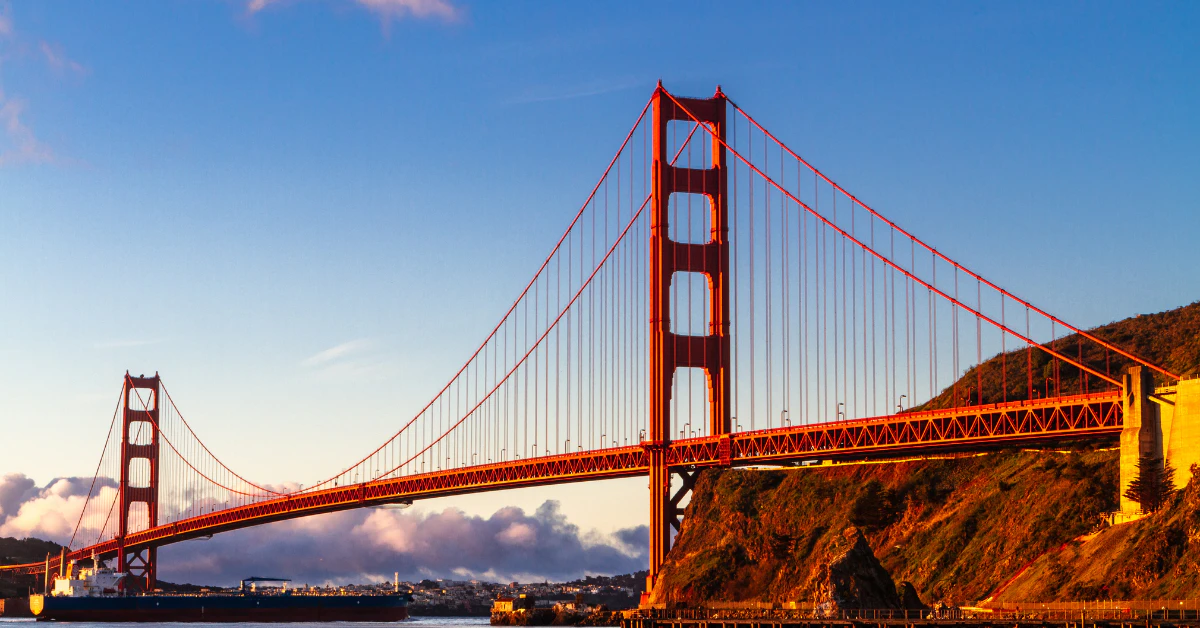
Short on time? Here’s your answer. The best things to do in San Francisco are walking or biking across the Golden Gate Bridge, taking the ferry to Alcatraz, riding a cable car through Chinatown, and eating fresh seafood at Fisherman’s Wharf.
- Golden Gate Bridge: Walk or bike across it for free
- Alcatraz Island: Book ferry tickets early, they sell out fast
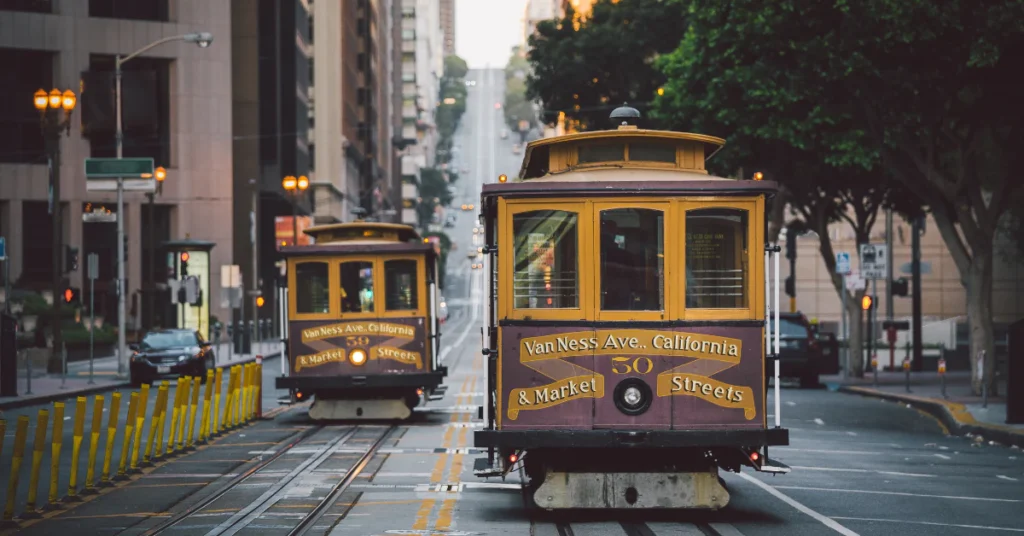
- Chinatown: Ride a cable car in and grab dim sum
- Fisherman’s Wharf: Fresh seafood and sea lion views at Pier 39
Keep reading for exact 2026 prices, real safety tips, and local picks you won’t find in other guides.
The Top 5 SF Icons (and the Math to Hack Them)
Everyone wants to see the same five things in San Francisco. The trick is knowing the numbers before you go, so you don’t overpay or miss out.
Alcatraz Island
Alcatraz is the most popular attraction in the city, and it sells out fast. Tickets go on sale exactly 90 days before your visit date through City Experiences, the only company allowed to run ferries to the island. Don’t buy from a random third-party site. If the price looks too low, it’s probably a fake “Alcatraz” tour that only circles the island by boat.
Here’s what you’ll actually pay in 2026:
| Tour Type | Price (Adult) | Best For |
| Day Tour | $47.95 | First-timers, flexible schedules |
| Night Tour | $59.65 | Fewer crowds, spooky cellhouse vibe (Tue to Sat only) |
| Behind the Scenes | $104.65 | History buffs who want restricted areas |
If your trip dates are firm, book the moment tickets open. Waiting even a week can mean your preferred time slot is gone.
The Golden Gate Bridge
This one’s free. Walk it, bike it, or just snap photos from Crissy Field or the Marin side for a better angle of the whole bridge. No tickets, no lines, no catch.
Cable Cars
Ride these now while they’re still cheap. A single ride costs $9 today. But SFMTA already approved a plan to raise that to $12 in 2027, then $18 in 2028. That’s double the price in just two years.
If you’re staying a few days, skip single rides and grab a Visitor Passport instead. It covers unlimited cable cars and Muni buses:
| Pass | Price | Covers |
| 1-Day Visitor Passport | $15 | Unlimited cable cars + Muni |
| 3-Day Visitor Passport | $35 | Unlimited cable cars + Muni |
| 7-Day Visitor Passport | $47 | Unlimited cable cars + Muni |
Two cable car rides already cost more than a day pass, so the math works out fast.
Fisherman’s Wharf
This is where you’ll find Pier 39, sea lions, and fresh crab. It’s touristy, but it earns its reputation. Just one warning: this area also sees a lot of rental car break-ins (more on that later in the guide), so don’t leave anything visible in your car if you drive here.
Chinatown
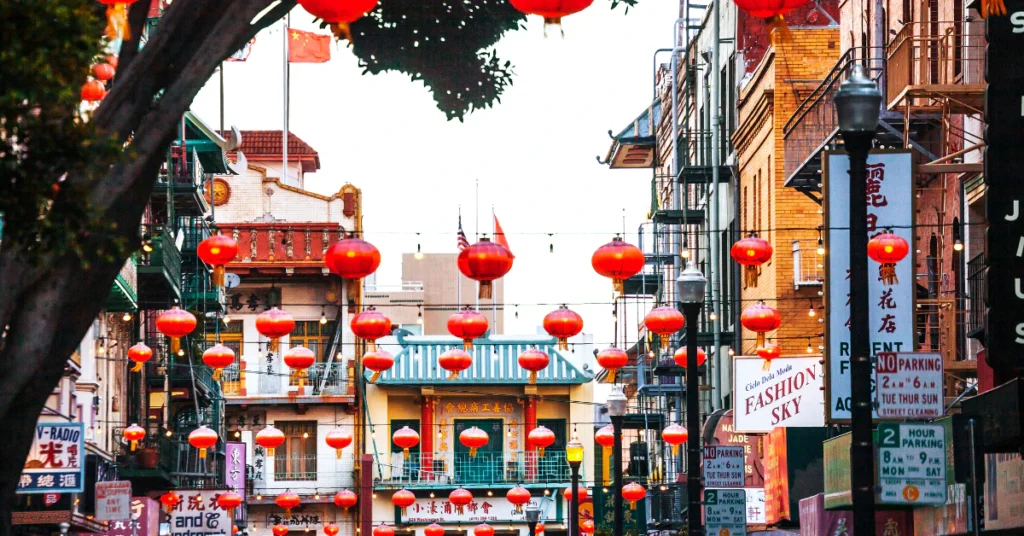
Hop off the cable car and walk straight into the oldest Chinatown in North America. Go for dim sum, then wander the side streets for shops the main drag doesn’t show you.
Quick tip: If you plan to hit several paid attractions, check if the San Francisco CityPASS makes sense for your trip. It bundles four attractions for about $89.95, which can save real money if you’re doing more than Alcatraz alone. Just know it does not include Alcatraz or cable car rides, so budget those separately.
Pop-Ups and Street Fairs: Things to Do in SF This Week
If you’re trying to figure out things to do in SF this week without a big budget, skip the tourist traps and head to a street fair instead. San Francisco runs free community events almost every weekend, and they often beat paid attractions for pure fun.
Things to Do in SF This Friday
Check if it’s the second Friday of the month between May and October. If it is, head to the Chinatown Night Market on Grant Avenue. It’s free, it runs from 5pm to 9pm, and it fills five blocks with food stalls, lion dancing, and local vendors. You’ll find dim sum, BBQ skewers, boba, and Taiwanese street snacks all in one walk. It’s been voted the top night market in the country two years running, so it’s worth planning your Friday night around it.
Things to Do in SF This Saturday
Saturday mornings belong at the Ferry Building Marketplace. The farmers market here is a San Francisco staple, packed with local produce, fresh bread, and small food vendors. Grab something to eat and walk along the Embarcadero with a bay view. It’s relaxed, it’s cheap, and it shows you a side of the city that feels more like daily life than a postcard.
Things to Do in SF This Sunday
Look out for Sunday Streets, a free event that closes off city streets to cars so people can walk, bike, and hang out in the open road. The 2026 season wraps up on October 18 in the Excelsior neighborhood. Expect live music, games, and local food, all without a single car in sight. It’s a great way to see a neighborhood most tourists never visit.
Why These Beat the Standard Tourist Stops
These events change by the week, so always double check the date before you plan around them. But the pattern holds: SF’s best weekend energy often isn’t at a paid attraction at all. It’s on a closed-off street, surrounded by locals, with free entry and real food. If you’re visiting on a weekend, build at least one of these into your plan.
Things to Do in SF with Kids (Without Breaking the Bank)

Golden Gate Park is the easiest place to plan a full day with kids in San Francisco. It’s huge, it’s mostly free to wander, and it holds one of the best family attractions in the whole city.
California Academy of Sciences
This is the big one. It’s an aquarium, a planetarium, a rainforest, and a natural history museum, all under one roof, inside Golden Gate Park. General admission runs between $40 and $44.88 for adults, and kids 2 and under get in free. Plan for 4 to 5 hours here. That’s enough time to see the coral reef, catch a planetarium show, and let the kids explore the rainforest exhibit without feeling rushed.
Should You Buy the CityPASS?
If you’re planning several paid stops, the San Francisco CityPASS is worth a quick look. It costs about $89.95 per adult and covers 4 out of 8 major attractions, including the California Academy of Sciences, for up to 45% off what you’d pay buying each ticket separately. It’s valid for 9 days from first use, so you don’t have to rush everything into one trip.
Here’s the catch: it does not include Alcatraz, and it does not include cable car rides. Those are separate costs no matter what. So before you buy, add up which specific attractions your family actually wants to see. If that list covers 3 or more paid stops, the pass usually pays for itself. If you’re only planning one museum visit, skip it and buy a single ticket instead.
A Simple Family Day Plan
A relaxed day with kids might look like this: morning at the California Academy of Sciences, lunch somewhere near Golden Gate Park, then an afternoon walk or bike ride through the park itself. No long transit rides, no rushing between neighborhoods, just one area that keeps kids busy and parents from checking a map every ten minutes.
Things to Do in SF at Night (And the Truth About Safety)
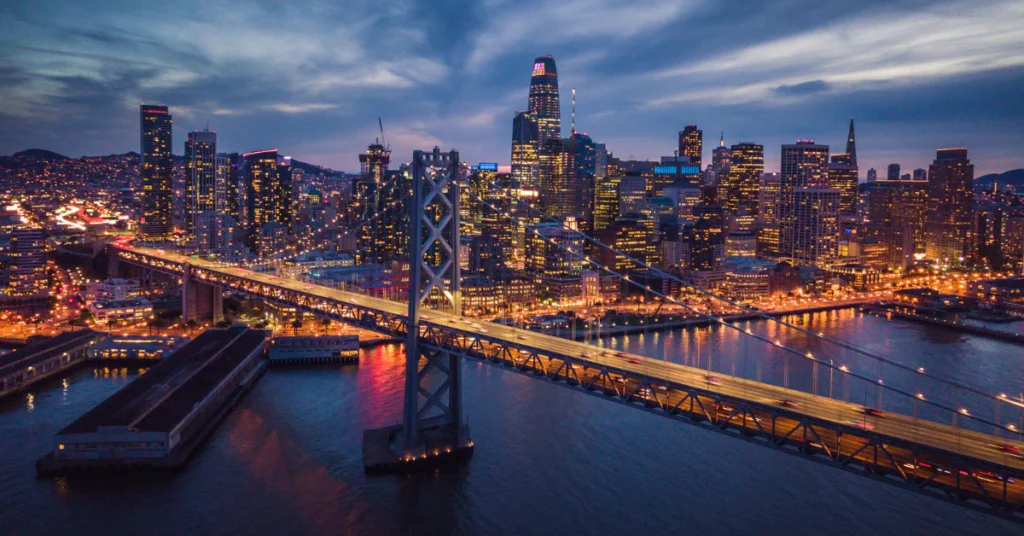
San Francisco doesn’t shut down after sunset. Nob Hill, Union Square, and North Beach all stay busy and well lit into the evening, and there’s plenty to do beyond a bar crawl.
Good Evening Options
For something different, check out the Nob Hill Audium, a theater built entirely for sound, where speakers surround you from every angle. It’s one of those spots locals love and tourists rarely find. Stern Grove also hosts free outdoor concerts through the summer, a nice way to spend a warm evening outside. If you’re downtown, Salesforce Park stays open into the evening and makes a quiet break from busy streets, with skyline views and green space tucked above the city.
Now, Let’s Talk About Safety
Here’s the honest truth. San Francisco’s reputation online is scarier than the real experience for most visitors. One traveler who posted on Reddit in January 2026 said they expected a “third world city” based on what they’d seen online, but after actually walking around, called the whole thing extremely underwhelming in a good way, with barely any trouble at all. That lines up with what most tourists actually experience. sentinel-team
But that doesn’t mean every block is the same. Safety in San Francisco isn’t about avoiding one big scary neighborhood. It’s hyper-local. As one local put it on Reddit, saying you’re staying “around” the Tenderloin doesn’t mean much, because three blocks really can be the difference between a normal street and a rough one.
The Tenderloin itself is where most of the city’s reported drug activity happens. Within it, a smaller pocket known as Little Saigon has been flagged by locals as especially risky after dark, with heavy open-air drug activity and mostly empty storefronts at night. If your hotel or dinner plans put you anywhere near this area after sunset, skip the walk. Grab a rideshare instead, even if it’s only a few blocks.
The Simple Rule
Stick to well-lit, busy streets like Union Square, Nob Hill, and the main stretch of North Beach, and you’ll have a completely normal night out. If your route takes you near the Tenderloin, especially Little Saigon, just hop in a car instead of walking. That one small habit solves almost every safety concern you’ll read about online.
The Ugly Truth: Car Break-Ins and the 72-Hour Rule
If you’re renting a car for your trip, read this part twice. San Francisco has a serious car break-in problem, and tourists get hit the hardest.
Why You Should Never Leave Anything in Sight
In one June alone, San Francisco logged about 1,899 vehicle break-ins. That works out to roughly 63 a day. The hot spots are exactly where tourists park: Fisherman’s Wharf and the Legion of Honor museum are two of the worst. Thieves look for rental cars specifically, since out-of-towners are more likely to leave bags, chargers, or jackets sitting on a seat.
Here’s the part that makes it worse. Less than 2 percent of these break-ins ever get solved. That means thieves know the odds are in their favor, and they act fast. Some victims have reported their car getting hit in under five minutes, while they were taking a photo just steps away.
The fix is simple but non-negotiable: leave nothing visible in your car. Not a jacket, not a phone charger, not an empty bag. If it can be seen through the window, it can get your window smashed. Put everything in the trunk before you arrive, not after you park.
What Is the 72-Hour Rule, Really?
If you’ve seen people searching for the “72-hour rule” in San Francisco, here’s the real answer: it has nothing to do with tourists, hotels, or visas. It’s a parking law.
Under California Vehicle Code 22651(k), any car left parked in the same public street spot for more than 72 hours can be marked, cited, or towed, even if it has a valid residential parking permit. The rule exists to stop abandoned vehicles from piling up on city streets.
For most visitors, this rule simply doesn’t apply. You’re not parking a rental for three straight days in one spot. But if you’re renting a car for an extended stay, just remember to move it every couple of days to stay clear of any issue.
Got a Layover? Things to Do in SFO Airport
Stuck with a long layover at SFO? You’ve got better options than staring at your gate.
If You’re Staying in the Airport
SFO is one of the few airports with free yoga rooms, located in Terminals 2 and 3. They’re quiet, dim, and stocked with mats, perfect for stretching out after a cramped flight. The airport also runs its own museum program, with rotating art exhibits spread across the terminals, so even a short walk between gates can turn into a mini gallery tour.
If your layover stretches overnight or you just want a real bed, the Grand Hyatt is right on airport property. You can reach it by a short AirTrain ride, no shuttle bus needed, which makes it one of the easiest airport hotel options anywhere in the country.
If You Have 6+ Hours and Want to Explore
Here’s the good news: SFO has a BART station built right into the airport. No shuttle, no transfer, just a direct train into the city. A one-way ride downtown costs between $11.15 and $12, and takes about 30 minutes to reach stops like Embarcadero.
That means a 6 to 8 hour layover can realistically include a couple of hours in the city itself. Just build in extra time to get back through security before boarding, especially during busy travel periods. If your layover is under 5 hours, skip the trip and stay airside instead. It’s simply not worth the risk of missing your flight.
“Wait, Should I Move Here?” (The SF Salary Reality Check)
Every trip to San Francisco has that one moment. You’re standing somewhere beautiful, the weather is perfect, and you think, “could I actually live here?” Before you start browsing apartments, here’s a quick reality check.
A $100,000 salary sounds great almost anywhere else in the country. In San Francisco, after taxes and the cost of living, it actually behaves more like $62,000. That’s one of the steepest drops of any city in the US, so the number on your offer letter won’t stretch nearly as far as it would back home.
Here’s where it gets even more surprising. In the San Francisco-Oakland-Berkeley metro area, “middle class” isn’t a small range. It stretches from about $85,434 to $256,302 a year. That means someone earning $200,000 here isn’t rich. They’re solidly middle class by local standards, even though that income would feel like wealth almost anywhere else in the US.
And if owning a home is part of your daydream, the numbers get steeper still. To comfortably afford a $1 million home, most buyers need somewhere between $218,000 and $325,000 a year, depending on their down payment and current mortgage rates. A million dollars in San Francisco often buys a fairly standard home, not a mansion.
None of this is meant to scare you off. San Francisco is still worth visiting, worth falling for, and worth dreaming about. Just know that if the dream turns into a real plan, the math here is different from almost anywhere else in the country. It’s a good problem to research before you fall too hard.
FAQ’s
What to do in SF non-touristy? What are 8 hidden gems in San Francisco?
Skip the postcard spots and try these local favorites: Salesforce Park, Bernal Heights Park, the Lands End Labyrinth, Sutro Baths, Stern Grove, the Nob Hill Audium, the wild parrots of Telegraph Hill, and Linea Caffe in the Mission. These are the spots locals actually visit, not just photograph.
Where is the sketchy part of SF? What is the drug area in San Francisco called? Why is SF so sketchy?
The sketchiness isn’t citywide. It’s concentrated almost entirely in the Tenderloin and parts of SOMA, where overburdened shelters make homelessness and drug use far more visible than in other big cities. Walk a few blocks outside these areas, and you’ll find the same normal big-city crime levels as most major US tourist spots.
Is it safe to walk around SF at night?
Yes, in most places. Fisherman’s Wharf, Nob Hill, and Union Square are all fine to walk at night. The one exception is the Tenderloin, especially the Little Saigon pocket. If your route takes you near there after dark, grab a rideshare instead of walking.
A Quick Final Word
San Francisco rewards people who plan a little ahead. Book Alcatraz early, ride the cable cars before the price jumps, keep your car empty when you park, and stick to well-lit streets at night. Do that, and you’ll walk away with the version of San Francisco most visitors actually have: a city full of good food, free views, and a lot more charm than the headlines suggest.